


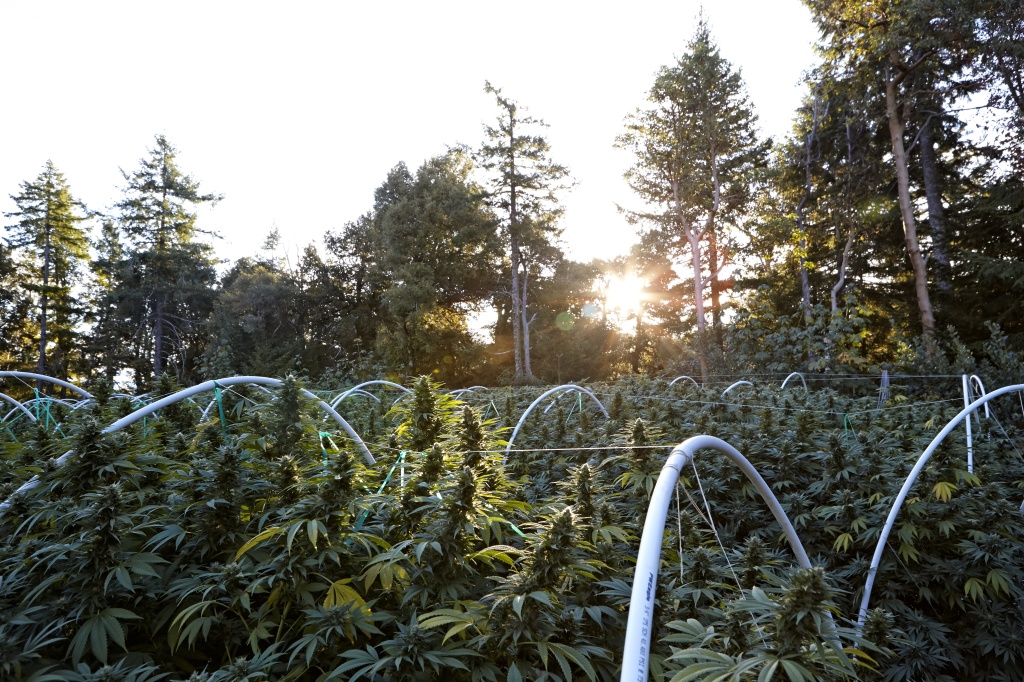
This Sunday marks 10 years since Californians legalized adult-use cannabis with Proposition 64. Look back on a decade of implementing legalization in the Golden State, and you will see a mix of promises kept and dreams deferred. We did not build a legal weed utopia. But it’s naive to think California would have gotten this one policy right the first time.
It’s like making pancakes. We got first pancake problems.
Since this is the web and your attention spans are chopped, let’s quickly run through it.
RELATED: The secret to growing California’s best outdoor pot
Promise 1: $1 billion in annual tax revenue.
That’s a promise kept. The state reports $511.5 million in excise and sales tax revenue from the first half of 2026 alone. We’re not even counting local city taxes and other streams.
Promise 2: No more people in cages for weed.
Also mostly true. Arrests are down 82 percent from a decade ago. We had 2,432 pot arrests in 2025, with 399 felonies and 2,033 misdemeanors. In a state of 38 million people, with about \four million of them smoking. For perspective, pot arrests peaked in 1974 at 103,097 that year.
Promise 3: Legal safe access.
We got that, too. There are over 1,200 stores, 241 delivery licensees, and 4,401 farm licenses. A retail shop can have over 200 different types of flowers. Leafly has over 10,000 strains in its database. You can get legal weed delivered to your door with an app tap. And prices have never been lower. Cheap, tested, taxed ounces go for under $100. There are 57,500 legal cannabis jobs in California.
Medically, many people are using cannabis for sleep, pain, and wasting from chemotherapy for cancer. Others use it for nausea, vomiting, spasms, and mood issues like anxiety, depression, PTSD, and opioid abstinence.
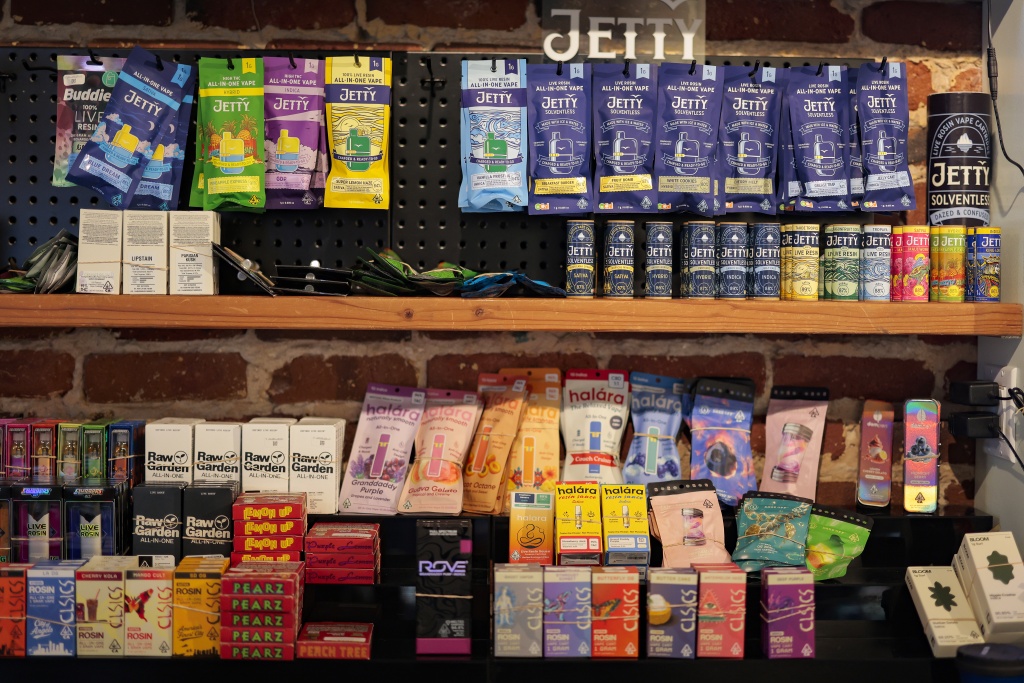
Other promises kept: Teen use, Road safety
Are we keeping this stuff out of the hands of kids? The answer is yes. A 2019 statewide audit of 700 stores found compliance at retail stores was at 96.8 percent in the California cannabis industry.
You’re not getting in there without a 21+ ID or a doctor’s recommendation. Teen use right now is substantially lower than it was when legalization happened. Just 6 percent of 11th graders are smoking pot in the last month.
What’s happened on the road? Researchers have not established a statistically significant increase in road deaths from legalization in California.
RELATED: California’s new cannabis packaging rules divide the industry
Dreams deferred-Part 1: Prop 215 operators
We made a hash of legalization as well. There was this notion that we could mainstream the operators of the Proposition 215 medical marijuana era. Instead, taxes and regulations culled most mom-and-pop shops.
Price deflation
One big driver is the collapse in prices. Pounds of cannabis used to go for up to $5,000 in the black market’s heyday. Today, a grow in Santa Barbara is targeting a wholesale production price of $95 per pound.
Farmers are lucky to get $300 or $400 per pound for outdoor right now, and $900 per pound for indoor. Amid historic inflation, the lowering of prohibition, industrialization of cannabis, and ramping up of competition created historic deflation. Consumers have more cash left over in their pockets to spend on gas. Producers are fighting to make payroll.
Over-regulation
Another big driver of Prop 215 operator collapse was regulation. Artisans got buried in red tape and legal fees. Nearly everyone had to move shop into a city “green zone” and pay extra rent. It took years to get dual city and state approvals that sometimes never came. Meanwhile, other cities and counties surged ahead and grabbed most of the market.
Dreams deferred-Part 2: Eliminating the street market
Eight years of legal sales have shifted about 40 percent of the cannabis market into the legal side, versus 80 years of it being 100 percent illegal. Not that bad of a pace, historically. But clearly, a lot more needs to be done.
Municipal bans
Some 56 percent of the cities and counties in California do not let the legal market compete with the illicit one. That is, 10 years into legalization, most cities and counties in California ban retail stores.
RELATED: If you care about legal cannabis, stop sitting this one out
High taxes
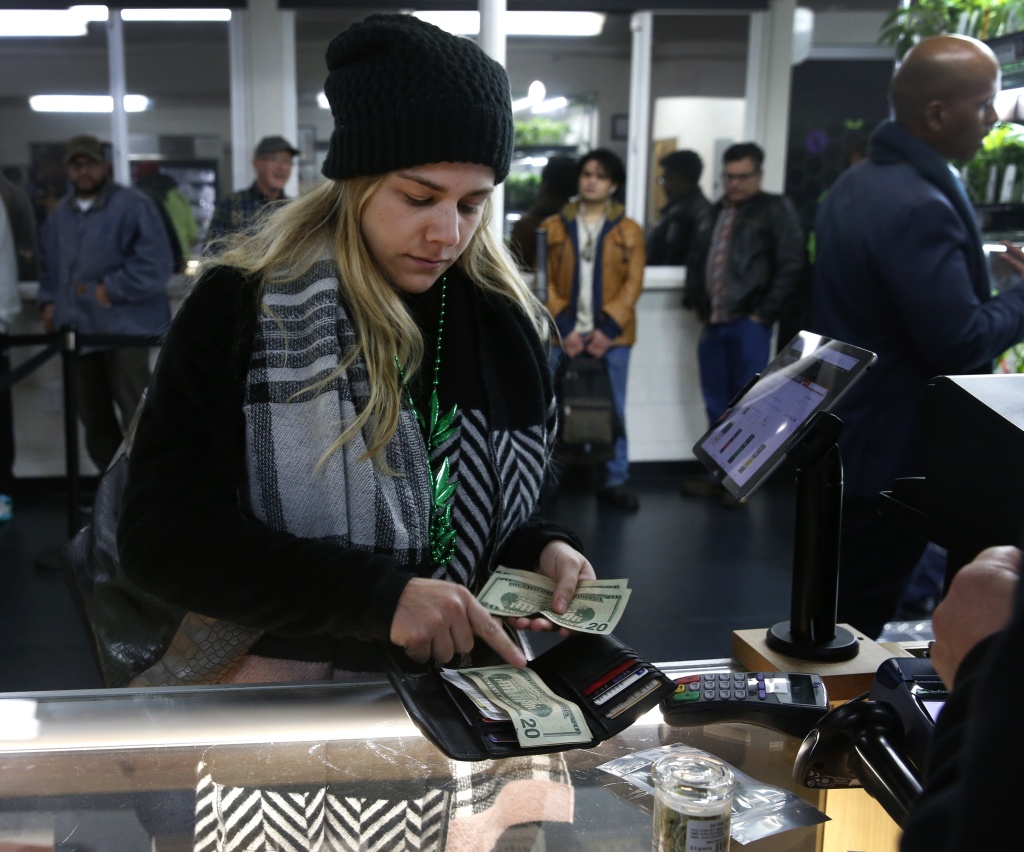
Depending on where you shop, you’re looking at about 38 percent taxes on your cannabis at the retail counter. We’re seeing cities take 10 percent of gross receipts from stores. That’s not net after expenses.
That is 10 cents of every dollar brought in the door going straight to the city. This is hundreds of times higher than any other business in that city, whether it’s check cashing, a gun store, or any other problem business.
More mainstream, More mainstream problems
In retrospect, it was naive to think California would have magically done legal weed any better than it did say, high-speed rail, or housing affordability, or forest fuels management. We’ve mainstreamed cannabis in California over the last 10 years, which means it has mainstream problems.
All of California’s core issues—things like local control strangling housing and transit, high taxation, and poor governance—are cannabis’ problems now.
NIMBYs and environmental review can kill dispensaries and pot farms as effectively as they kill homes and high-speed rail.
Even Nithya Raman, a democratic socialist running for Los Angeles mayor, has found common ground with Republican gubernatorial candidate Steve Hilton on cannabis policy: Both argue that the industry’s tax burden is too high.
RELATED: Bringing the farmers’ market to the weed
On governance, public revenue keeps going up, but the potholes remain as prevalent as the state’s low public school test scores. That $1 billion in tax revenue? The state will spend $351.7 billion in this fiscal year.
In cannabis, when you talk about governance, we’re 10 years into legalization, but the plant is not considered a “crop” in California. You have no “right-to-farm” cannabis in California. Regulations prevent some pot farmers from doing crop rotation on cannabis—a basic scientific feature of agriculture for over 100 years.
Cannabis is a top agricultural product in California. Yet no county agriculture department is doing consistent annual reporting on it as agriculture.
The case for optimism, or at least, realism
There are reasons for optimism, though. San Francisco leaders suspended an industry-killing cannabis gross receipts tax through 2035. Yup, San Francisco actually said “no” to a new tax.
I curate San Francisco’s Weed Week in April and Hash Week in July. We’ve found that it is still Day One for building a culture around our lounges and making it easy for tourists to share our liberties. Throwing cultivation events like Clonetopia has shown me that we can legally grow six plants at home, but it’s still Day One for cultivating a culture of legal cannabis gardening.

I’ll paraphrase Alexis de Tocqueville in Democracy in America, who said that Americans’ superpower is that we’re willing to try anything twice. We fail fast and iterate. With legalization, we led the way; implementation got messy, and yes, we made a mess of it. But California still has the world’s best cannabis genetics, generational talent, climate, and much more. The whole world still watches their feeds for our trends.
We can organize, lean in, and show up for each other at city councils, county hearings, and in Sacramento. There are plenty of doable, concrete tweaks that’ll make legalization more durable, better keep the promises of Prop 64, and fulfill many of those deferred dreams.