


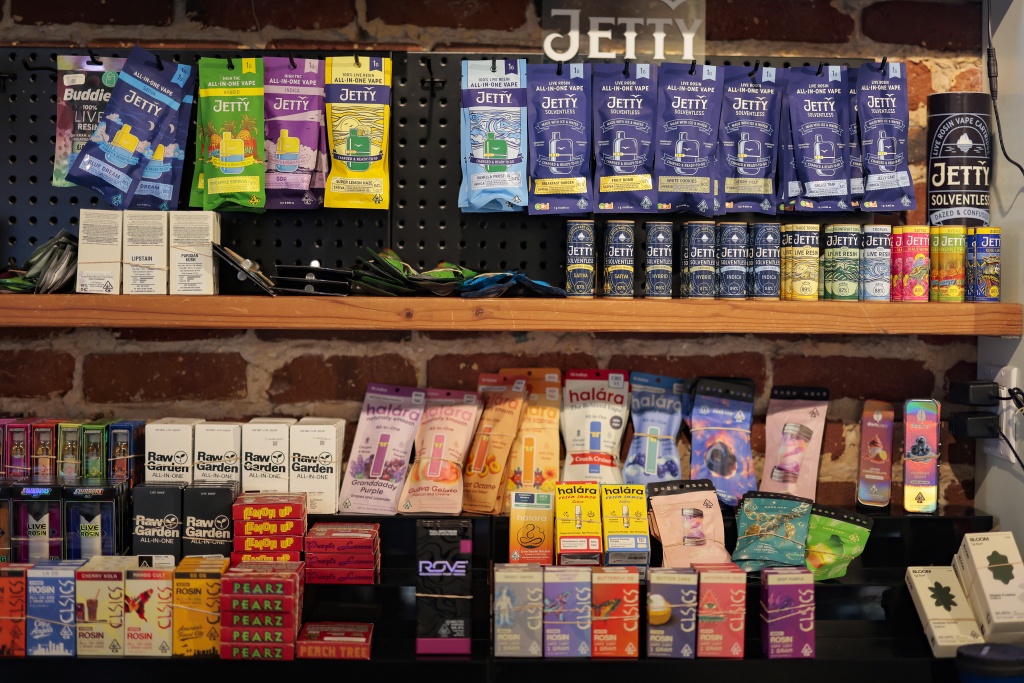
California loves to tout how it doesn’t ban books. In fact, it just banned an entire genre of graphic art.
Cannabis consumers will see its legal weed brands become more generic in the coming months and years.
On Aug. 31, Gov. Gavin Newsom signed Assembly Bill 2249, a bill from Orange County, CA democrat and pot branding foe Jacqui Irwin. Billed as packaging standards, the new law extends to marketing and will cost millions of dollars in rebranding for many popular names in the space.
RELATED: Who’s using more weed? The answer may surprise you
Passed in 2016, Proposition 64 prohibits marketing deemed “attractive to children,” including cartoons.
In 2025, a California legislative audit concluded state regulators weren’t doing enough about such marketing. Youth cannabis use rates remain flat, and card check compliance at licensed stores is very high, but calls to poison control have risen post-legalization.
Irwin’s bill standardizes what “attractive to children” means as any “cartoon,” and then defines cartoon very broadly.
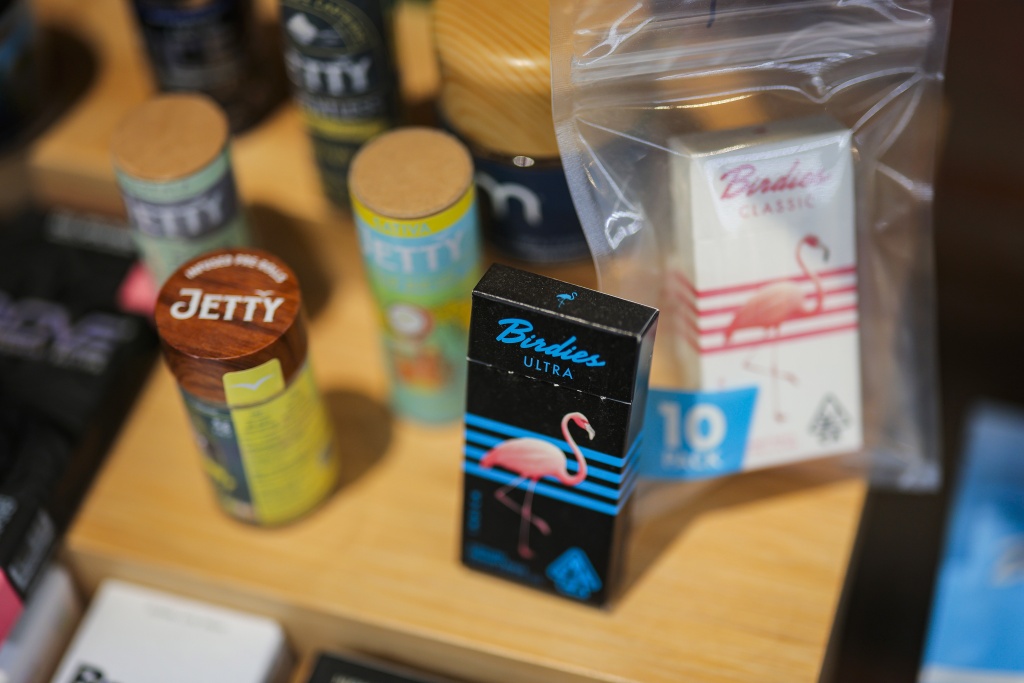
Now banned is any “illustration” or “graphic” of a “person, animal, creature or object” with “stylized features” or anthropomorphism. It explicitly bans depictions of fantasy and mythology, including unicorns, wizards, and dragons. It also bans typography, lettering, and fonts that have bubble or balloon shapes—commonly seen in graffiti art.
“It’s stupid…”
As written, the rules seem to preclude the existence of many iconic brands, and a huge swath of creative flower packaging.
Zoe Schreiber of the California Cannabis Industry Association (CCIA) said they opposed the bill. No one wants to see kids get into a counterfeit Reese’s Peanut Butter cup, but that’s not what’s happening with legal weed.
“AB 2240 would impose significant costs on the licensed businesses that already keep cannabis away from children, undermine the state’s efforts to bring consumers into the regulated market, and does not address safe at-home storage practices,” CCIA stated.
RELATED: Marijuana in the mail? This state says it could happen
The law will shutter small businesses who can’t afford a rebrand, according to another bill opponent, the Equity Trade Network.
“The policing of packaging in the name of public safety is performative,” said Nina Parks with Equity Trade Network. “There are way more pressing public safety issues, and they stem from tested cannabis being less affordable.”
Parks noted that excise taxes on legal weed are set to rise from 15 percent to 19 percent in 2028.
Nelson Lindley, a cannabis culture expert, believes the legislation punishes lawful actors and claims the unlicensed market packages, markets, and actively peddles poison to children. Eight years after legal sales started, the majority of California cannabis activity is in the illegal market.
“This bothers me, because it’s stupid. It doesn’t deal with the problem they’re trying to address. It’s a lot of time and tax dollars being spent by elected people who don’t understand the sector they’re regulating,” he said.
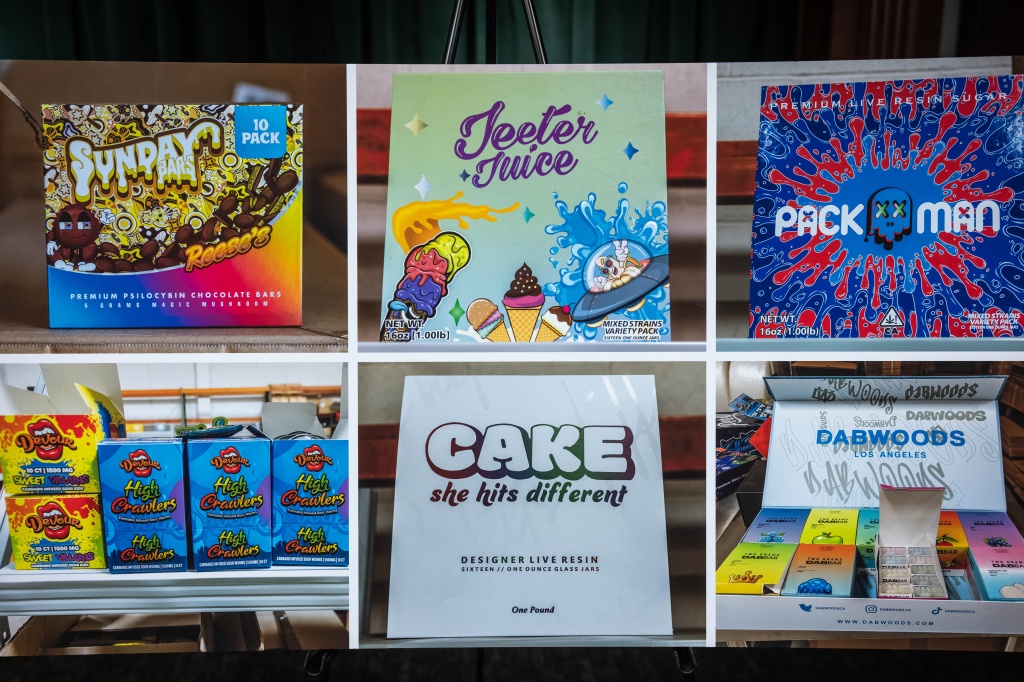
Poison control calls cited
Youth Forward, a Sacramento public health group funded in part by cannabis tax dollars, called marketing to children a “massive problem” that drives poison control calls.
RELATED: Texas THC laws just changed again – here’s what to know
However, California poison control data in the 2025 audit did not distinguish between licensed cannabis—which is in child-proof containers—and the much more widely available illegal edibles from the traditional market, as well as intoxicating hemp.
Cannabis culture ‘on the menu’ in Sacramento
Cannabis lobbyists in Sacramento did not speak with one voice on the issue, either.
A large, retailer-driven group, the California Cannabis Operators Association (CaCOA), supported AB 2249. Other groups, including the CCIA, as well as minority brands and regional groups, opposed AB 2249.
The CaCOA said in a statement on X that the marketing law could have been worse, and that the industry must engage more. CACOA stated that it “secured substantial improvements that make the law narrower, clearer, and more workable.”
#AB2249 is now #CAleg law. Governor Newsom signed it on August 31st, establishing new standards for #cannabis packaging and marketing.
Most licensed operators have legitimate concerns about the costs. CaCOA didn’t write this bill, and yet we led negotiations for it.
When…
— California Cannabis Operators Association (@cannaoperators) September 1, 2026
“When legislation becomes inevitable, the choice isn’t between winning and losing. It’s between having a voice in the outcome or letting others write the rules without us,” the post reads.
“If you’re not at the table, you’re on the menu.”
What’s next?
Opponents argue many brands will suffer measurable harm from the new law, which could see a First Amendment challenge.
“Who gets to police human expression and culture?” said Parks.
It’s unclear what group would take up the challenge, or pay for it.
RELATED: Legal weed may have an unexpected workplace benefit
The next legislative session will involve new legislators and a new governor. The cannabis community could try to amend the law then. They’ll face renewed challenges, however.
For example, cannabis opponents aimed to ban all faces and fruit from packaging. Their final goal is no branding at all, similar to rules in Canada.
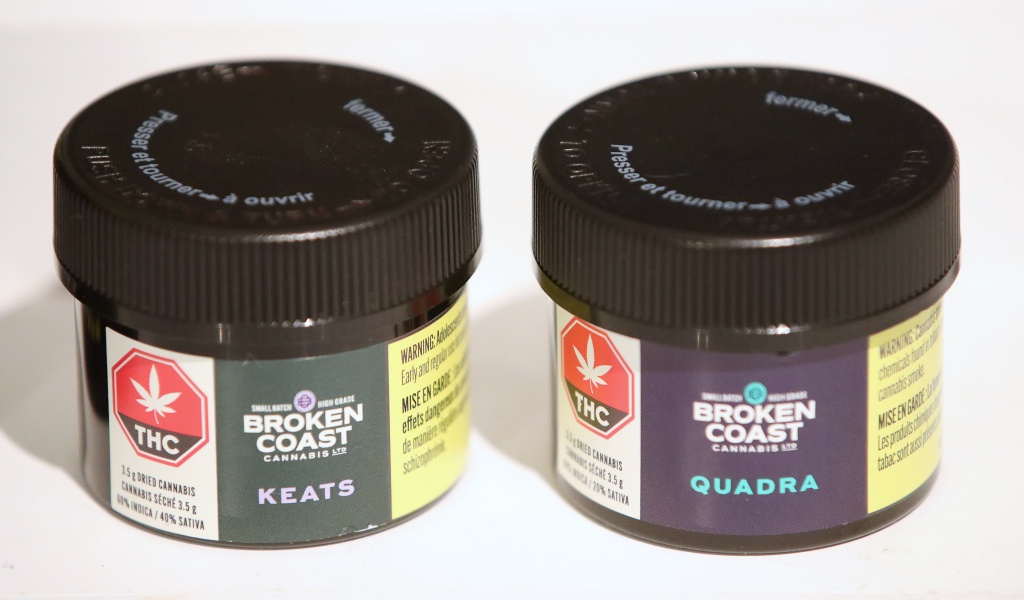
“In its original form, AB 2249 was so broad that it would have prohibited use of imagery like small farmers and vegetable gardens, which hundreds of craft businesses use in their marketing and branding to help consumers understand where their cannabis comes from,” said Ross Gordon, policy analyst with the group Origins Council.
“We need to regroup for next year,” CCIA’s Schreiber said.