


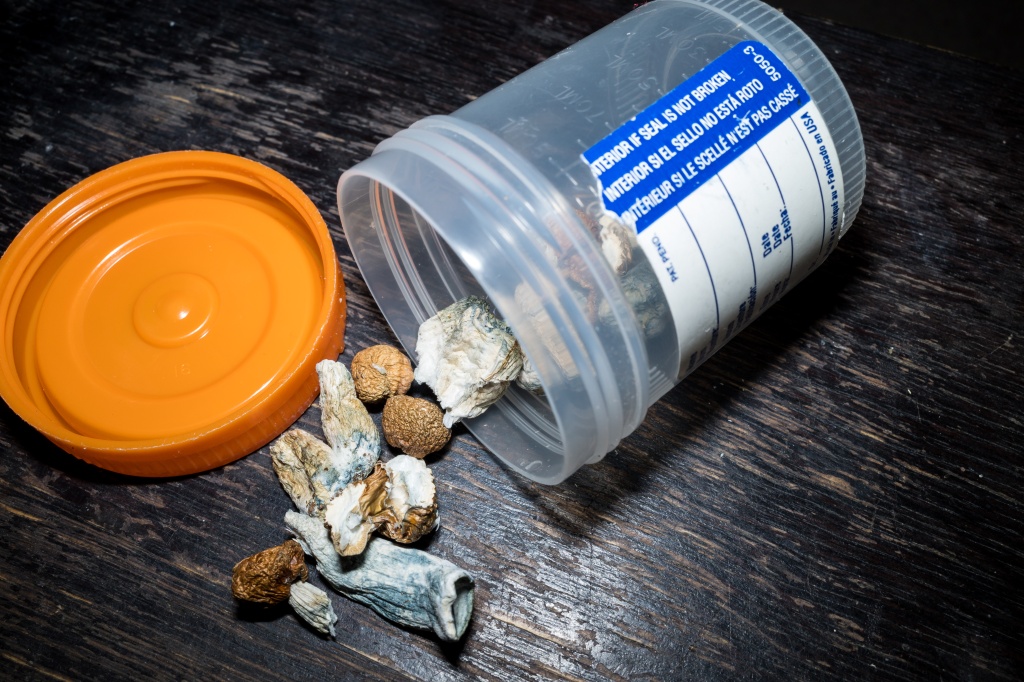
Psychedelic compounds like LSD and psilocybin (the active ingredient in magic mushrooms) have seen renewed interest for their therapeutic potential. In April, President Donald Trump signed an executive order aimed at accelerating psychedelic drug research, review, and potential approvals.
Things took another step this week when the Food and Drug Administration (FDA) held a public hearing focused on what regulated psychedelic therapies could look like.
RELATED: Trump administration launches new magic mushroom study for veterans
The four-hour-long hearing, which featured commentary from dozens of doctors, researchers, veterans, and advocates, gave the FDA a long list of considerations as psychedelic drug development accelerates.
FDA official Marta Sokolowska called the hearing part of a “whole-of-government effort” to better understand the potential benefits and challenges around psychedelic medicine. Last week, the FDA published a paper outlining the agency’s new framework for the compounds. They acknowledged unique challenges in psychedelic drug development, such as trial participants being able to tell they’re on a drug versus a placebo, which requires regulatory flexibility.
Key points of debate included who facilitates sessions, patient vulnerabilities, and overall treatment costs. Many speakers agreed that trained staff should oversee therapeutic psychedelic experiences, but exactly who should qualify—and what credentials they should need—was up for debate.
Psychiatrist Rajan Dunn, who said he has treated roughly 200 participants in more than 10 psychedelic trials, told the FDA, “Psychiatrists should be at the helm.” Other experts disagreed, arguing that overly specialized staff requirements could make the medicines inaccessible because of cost.
In Oregon, where regulated psilocybin therapy is legal, facilitators undergo a series of trainings and are licensed by the state. However, they do not need to have formal medical school backgrounds.
RELATED: The hardest part of a psychedelic trip might be what comes after
Retired Army officer Christian Williams said some treatments should be available in patients’ homes to increase access, sharing his success with at-home ketamine therapy for post-traumatic stress disorder.
“If it’s locked inside clinics in major cities, it leaves millions of veterans in rural areas, many disabled, who often need it most,” Williams testified.
John Eaton, senior vice president for complex care at the Wounded Warrior Project, urged federal officials to prepare adequately for psychedelic medicines before they reach the market. He advocated for evidence-based training standards and telehealth, specifically citing figures that many veterans seek care from home.
“Approval alone will not create access,” Eaton said, urging federal agencies to prepare now so veterans aren’t left “waiting for systems to catch up.”
Some speakers also called for mandatory provider training on consent, ethics, power dynamics, and touch. Jennese Herzberg of the Psychedelic Therapy Alliance pointed to past allegations of sexual misconduct involving psychedelic therapists, warning that patients can be especially vulnerable while under the influence of these drugs.
Since Trump’s executive order, the FDA has prioritized several psychedelic drug programs, including studies of psilocybin for depression and methylone for PTSD. Time will tell how these drugs may actually roll out, but the hearings show that drug safety is only one part of the equation. Federal officials must still determine who will administer psychedelic drugs and in what capacity.
