


When you put a family name on a product, every decision carries more weight.
As a CBD brand, we made a choice not to sell intoxicating hemp products, even as much of the market moved in that direction. It wasn’t because we lacked access or opportunities. It was because we were building a wellness brand under a family name that already carries trust, and we were not willing to gamble that trust on uncertain products.
That decision has shaped everything we’ve done since.
RELATED: In cannabis vs. hemp, this is the real enemy
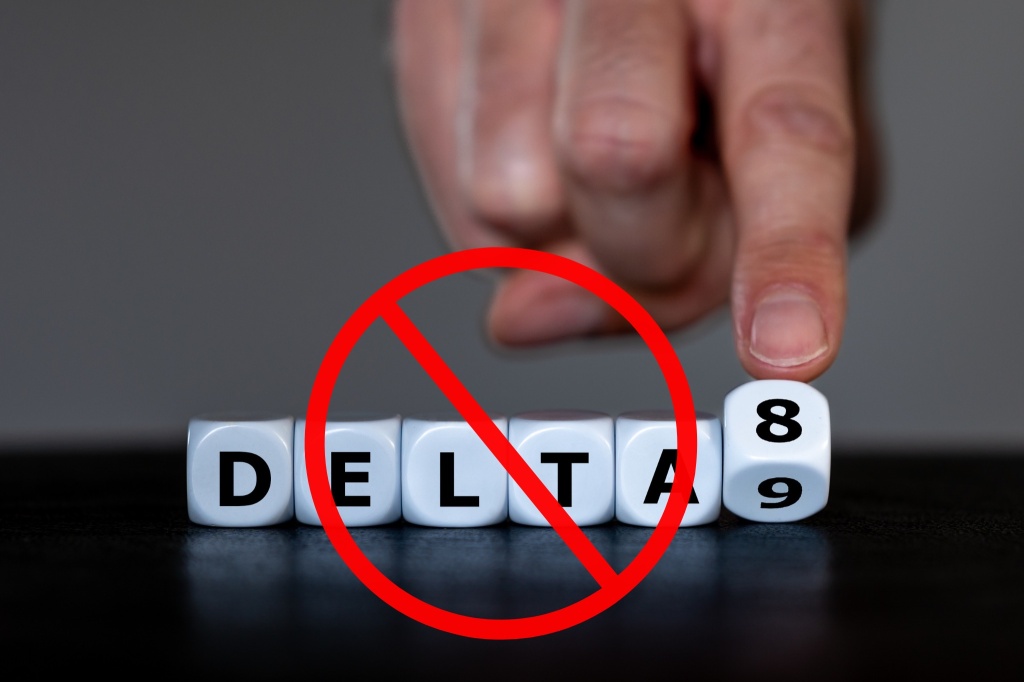
Over the last several years, intoxicating hemp products like delta-8 and delta-9 have flooded the market. Many of them were technically legal, and some companies maintained high-quality standards despite the lack of regulations, but many products confused consumers, blurred the line between wellness and intoxication, and raised real questions about safety, labeling, and consistency.
We could have joined that rush and made a lot of money doing so. We had the infrastructure, the experience, and the relationships. Every six months, like clockwork, we would revisit the conversation internally. We would see how much money was being made. We would see big brands pushing psychoactive hemp products with very little pushback.
And every time, we came back to the same answer. We were not going to put the Vlasic name on those products. We had seen firsthand how quickly trust can erode in this category, and we weren’t willing to repeat those mistakes. That choice wasn’t about being conservative or scared. It was about being disciplined.
RELATED: New York’s legal cannabis market didn’t fix the war on drugs
From the beginning, we wanted to build this company as a wellness brand. That meant focusing on non-intoxicating cannabinoids like CBD, CBG, and CBN. It meant strict testing, precise dosing, and transparency. It meant being honest about what our products are designed to do and avoiding broad claims that sound good on packaging, but don’t hold up in real life.
It also meant being clear about who we are trying to help.
We’re not building hemp products for people looking to get high. We’re building products for people who want to feel better. People with joint pain. People who want to stay active. People who want to sleep through the night. People who are skeptical, cautious, and willing to try again if they believe they can trust what’s in the bottle.
I have seen this shift in my own family. Years ago, cannabis wasn’t a Thanksgiving conversation. Now I get calls asking which topical works best for knees or which product helps with sleep. I’ve watched people who would never touch “weed” use a non-intoxicating product and say, “I don’t know what this is, but it helped.”
Those moments matter. They’re also why this conversation matters now.
RELATED: What will weed look like in 2050?
Late last year, President Trump signed an executive order directing federal agencies to expand research and begin the process of allowing Medicare reimbursement for CBD through a pilot program. Whatever your politics are, the signal is clear: CBD is moving into a more serious healthcare conversation.
When that happens, the category has to grow up.
Healthcare doesn’t run on hype. It runs on standards, consistency, and trust. If CBD is going to be part of mainstream care, especially for seniors, products have to be reliable, labels have to be accurate, and companies have to be willing to stand behind what they sell.
That’s the lane we chose years ago, even when it would have been easier to chase short-term revenue.
To be clear, we’re not building a business on pickles. That history opens doors, but it’s not the story. Our current story is simpler than that. We’re building a wellness brand that people can trust. We’re doing it carefully, deliberately, and under a family name that already carries meaning. Saying no to intoxicating hemp was part of that commitment. Not because it wasn’t tempting, but because the long view matters more.
*This article was submitted by an unpaid guest contributor. The opinions or statements within do not necessarily reflect those of GreenState or HNP. The author is solely responsible for the content.