


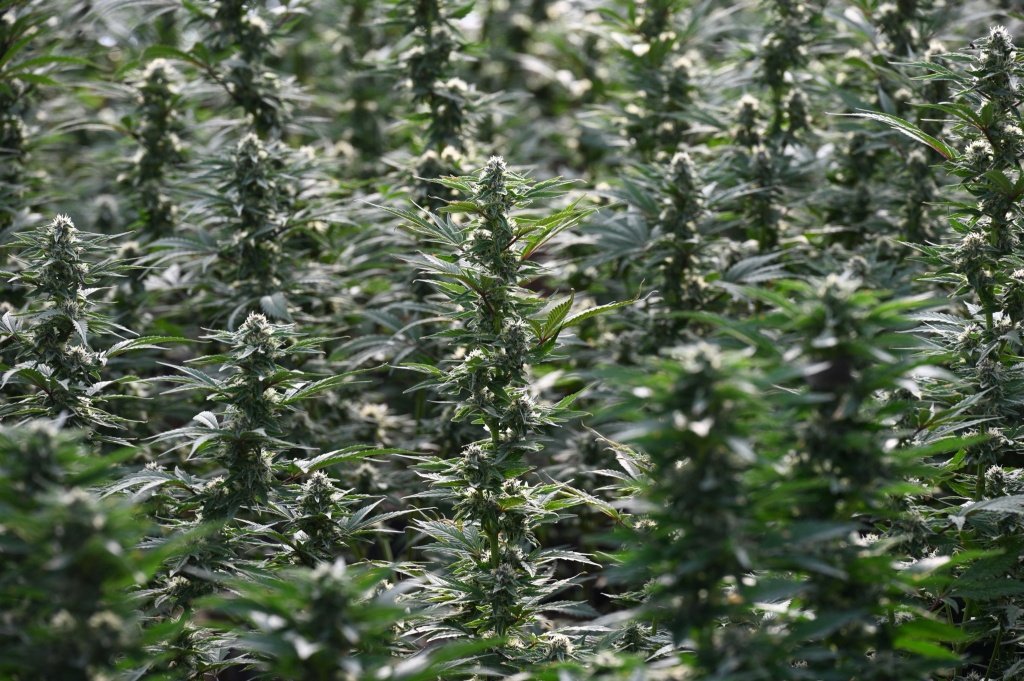
Last week, President Trump issued an executive order directing his administration to complete the federal cannabis rescheduling process. It’s been a long road: Former President Joe Biden first suggested moving cannabis out of its restrictive Schedule I status in late 2022. So now that the executive order has been signed, what comes next? As it turns out, marijuana can’t be rescheduled overnight. Here’s what the cannabis rescheduling timeline looks like —and how we got here.
RELATED: Trump signs hemp ban, advocates argue ‘it ain’t over’
How cannabis rescheduling reached this point
Changing a drug’s status under the Controlled Substances Act requires multiple steps. This includes multiple rounds of analysis into a drug’s scientific and medicinal value, as well as public comment periods and hearings. For those who want to see cannabis rescheduled, there’s good news: a lot of the legwork has already been completed.
The Department of Health and Human Services (HHS) completed a massive review of available cannabis research in 2023 and found the drug does not meet the criteria for a Schedule I substance, defined as having no accepted medical use and a high potential for abuse.
RELATED: ‘Very messy’: New York cannabis rocked by regulatory chaos
The agency determined Schedule III would be a better fit, which would classify cannabis as a drug with some accepted medical value and a low to moderate risk of abuse. The report specifically cited the plant’s potential to ease chronic pain, chemotherapy-induced nausea, and appetite loss for people with anorexia.
The HHS sent its findings to the Drug Enforcement Administration (DEA), which has the final say on rescheduling. After its own review, the DEA issued a proposed rule change, another important part of the rescheduling process. When this happens, a public comment period begins, allowing Americans to weigh in on the proposal. This step was completed in July 2024.
A month later, another required component of rescheduling was initiated: court hearings. An administrative law judge, John Mulrooney, was assigned to oversee the proceedings. The judge is then tasked with reviewing evidence, including the HHS and DEA reviews, public comments, and expert testimony presented during the hearings. The hearings were scheduled for January 2025—but that’s where things stalled out.
RELATED: Death threats over cannabis bill shake lawmaker
At one of the first hearings, Judge Mulrooney ordered a delay, citing procedural blunders by the DEA and allegations of collusion between the agency and anti-rescheduling groups. Days later, the Trump administration took office, kickstarting a political shakeup at the DEA, HHS, and other key agencies. Months later, Judge Mulrooney announced his retirement, further calling the process into question.
Cannabis rescheduling timeline: what happens next
Now that Trump has directed the Justice Department to finalize the rescheduling process, only a few steps technically remain. According to the law, the hearings that began in January must be completed, which could take some time. After that, the DEA should issue its final rule. Then, it could be a couple of months before the rule takes effect.
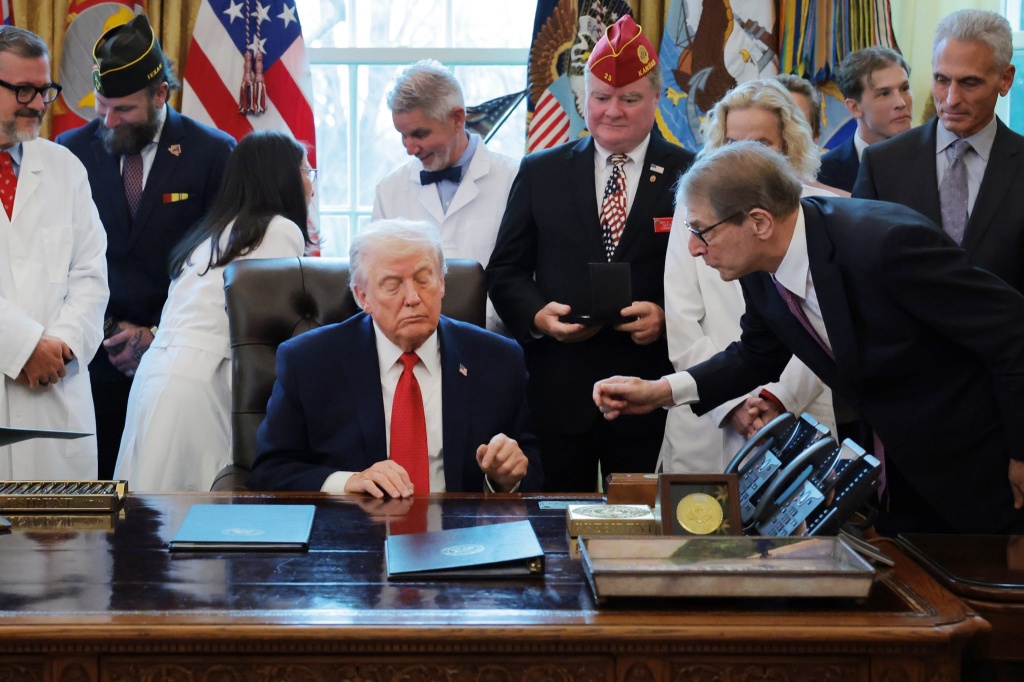
It’s possible this process could be put on the fast track, which is what the president seems to want. In the order, Trump wrote, “The Attorney General shall take all necessary steps to complete the rulemaking process related to rescheduling marijuana to Schedule III of the CSA in the most expeditious manner in accordance with Federal law.”
It’s also possible that lawsuits could delay or derail the process. Kevin Sabet, the outspoken head of the anti-cannabis group Smart Approaches to Marijuana, said the organization has retained former Attorney General Bill Barr as legal counsel and is preparing to challenge the final rule in court, should it be issued.
Between bureaucratic procedures and potential legal challenges, Schedule III could still be a long way away. In the meantime, federal cannabis law remains unchanged. That could change in the months ahead, depending on how events unfold.
