


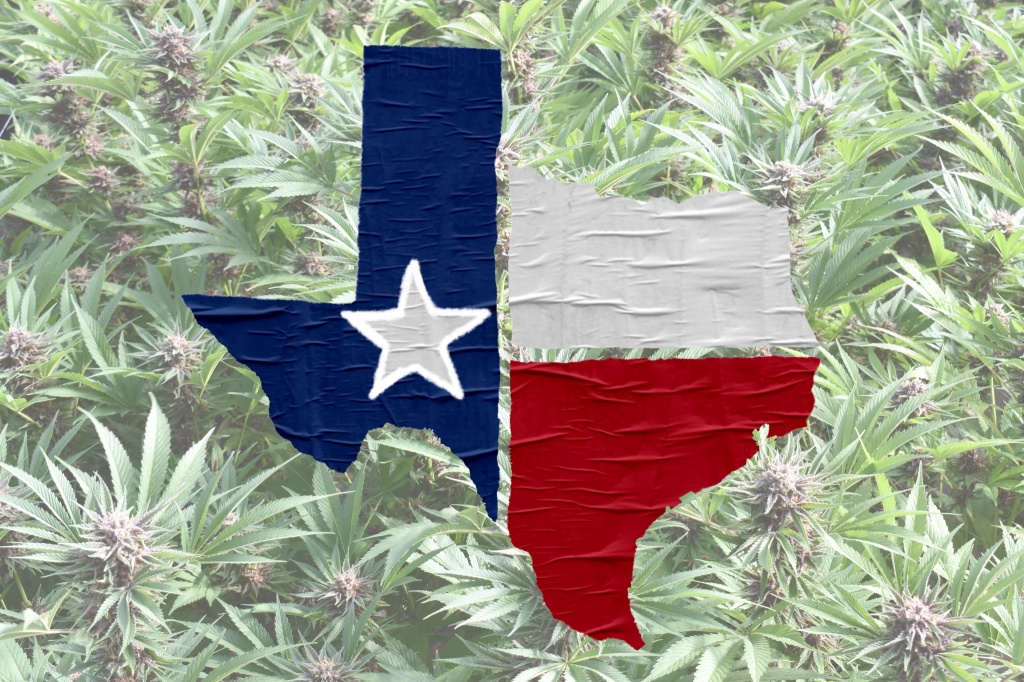
The Texas hemp industry is shaking up yet again. After months of back and forth, the Lone Star State has moved to ban several hemp-derived products—but the battle is not over yet.
RELATED: Lawsuits challenge DEA ruling on hemp-derived HHC
The new Texas THC laws took effect last week, outlawing the sale and possession of several intoxicating hemp compounds, including delta-8 THC and THC-P. These cannabinoids, which are typically produced at scale by chemically converting CBD, are now controlled substances under Texas law.
Under the legislation, possession of less than one gram of delta-8 is a felony. This means those caught with the compound could face jail time and fines, along with a criminal record.
Texas State Rep. James Talarico, a candidate for U.S. Senate, said the ban is “insane.”
“Texans aren’t going to stop smoking weed and eating edibles because politicians in Austin say so,” Talarico said. “Texans will still use THC – but instead of getting it safely from a local small business, they’ll go back to getting it from the black market. From drug cartels.”
RELATED: Supreme Court rejects broad gun ban for cannabis consumers
Unlike previous Texas hemp regulations, the new law extends far beyond delta-8. It effectively prohibits most intoxicating hemp cannabinoids, including delta-10 THC, HHC, and similar compounds that became widely available after the 2018 Farm Bill. CBD and CBG products remain legal, but many of the gummies, vape cartridges, beverages, and other products that fueled the state’s booming hemp market can no longer be legally sold.
One lawsuit challenging the new hemp restrictions was dismissed, but a separate legal challenge over THCA flower remains unresolved. While the new law states that THCA products are prohibited, an earlier court ruling has kept smokable hemp on the market for now, leaving the product’s legal status in limbo.
The outcome could have major economic consequences. A 2025 Whitney Economics report estimated Texas’ hemp industry generated roughly $5.5 billion in annual revenue, supported more than 53,000 jobs, and contributed more than $10 billion in total economic activity. With litigation still pending, the legal landscape for hemp in Texas may continue to evolve.
