


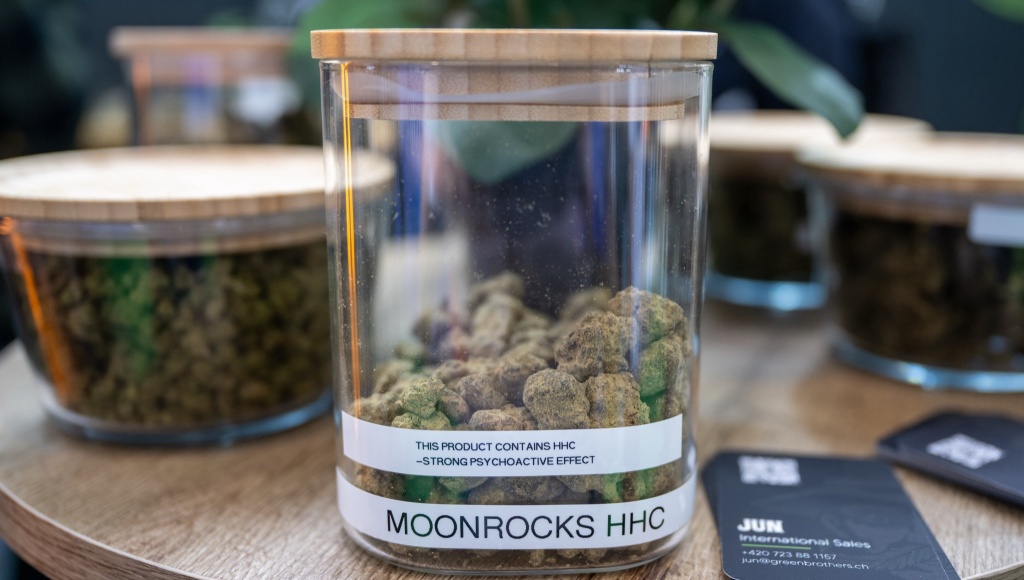
Intoxicating hemp has been a topic of hot debate. The Drug Enforcement Administration (DEA) recently ruled that one hemp-derived cannabinoid, hexahydrocannabinol, or HHC, is a Schedule I controlled substance. Now, two companies are suing the federal government over the change.
RELATED: THCP vs THC: what’s the difference?
IHC Investments Inc. and Bluestar Operations LLC filed separate petitions challenging the DEA’s final rule scheduling HHC. The rule places HHC in the same federal category as substances deemed to have a high potential for abuse and no accepted medical use under federal law.
At the center of the lawsuits is whether the DEA can classify hemp-derived HHC as illegal when it is derived from hemp protected under the 2018 Farm Bill.
The companies argue that the DEA’s position unlawfully imposes restrictions that conflict with Congress’s decision to remove hemp from the Controlled Substances Act. They contend that the DEA cannot make a determination with nationwide consequences for the hemp industry without clear authorization from Congress.
The DEA, however, argues that HHC was already illegal because it is a THC-like substance that falls under Schedule I. The agency maintains that the new HHC rule clarifies existing law, while the hemp companies argue that it unlawfully expands federal drug controls.
RELATED: Warnings issued for controversial cannabis compound
HHC products have boomed in popularity, particularly in states without a regulated cannabis market. The cannabinoid is found naturally in cannabis, albeit in trace amounts. The vast majority of HHC goods use a synthesized version of the compound.
The petitions were filed in separate federal appeals courts. IHC Investments filed in the U.S. Court of Appeals for the Ninth Circuit, while Bluestar Operations filed in the U.S. Court of Appeals for the Fourth Circuit.
No oral argument dates have been set. The outcome could have significant implications for the hemp industry, particularly for companies that manufacture or sell products containing hemp-derived cannabinoids. The appeals courts are expected to set briefing schedules and begin reviewing the DEA’s rulemaking record next.