


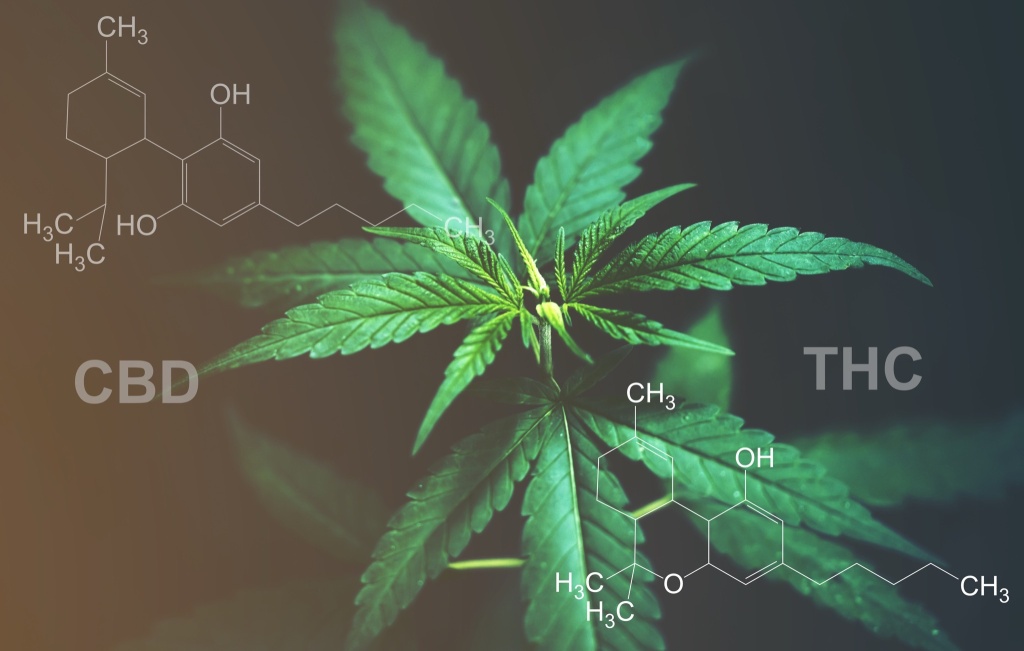
Cannabis evolved on Earth at the same time as Tyrannosaurus rex stalked its prey, and Stegasaurus roamed the plains. While the plant is best known for its ability to get people high, that was not likely its primary function. How THC evolved is its own mystery, but new research suggests the chemistry behind cannabinoids like THC emerged from ancient plant enzymes that existed far before humans used the plant.
RELATED: Your gut is getting high too: the surprising cannabis-microbiome connection
Scientists in the Netherlands examined how modern cannabis evolved to create compounds like THC and CBD. They employed ancestral sequence reconstruction, which uses genetic material to “resurrect” ancient proteins.
The research team was able to produce enzymes from early cannabis ancestors. They found that these enzymes were capable of creating multiple cannabinoids. This is in contrast to today, where weed strains are often bred to specifically produce higher volumes of certain cannabinoids.
Scientists noted these enzymes may be well-suited to producing cannabinoids at scale using other microorganisms, such as yeast. They were especially intrigued by the ability to create CBC, a minor cannabinoid touted for its therapeutic potential. This could open the door to new cannabinoid-based healthcare applications. Development into yeast-derived cannabinoids is well underway, and the new Dutch study could help inform future R&D.
How THC evolved
So why does cannabis produce THC? Scientists have a few hypotheses. One widely accepted theory is that cannabinoids and terpenes may have played roles in plant defense or stress response, potentially helping deter pests, resist pathogens, or mitigate environmental stress. However, these functions have not been definitively proven.
RELATED: The top 10 cannabis health studies of 2025
Humans began deliberately cultivating cannabis as early as 12,000 years ago. It had many applications, from industrial to spiritual. Evolution, along with advancements in selective breeding, has helped get it to where it is today, which can mean THC concentrations up to 30 percent or more.
While ancient cannabis likely looked very different from today’s plant, examining its ancestral enzymes could have significant implications. There’s still much to be discovered, but as the therapeutic benefits are revealed, studies like this could help ensure wider access to those who need it most.
