


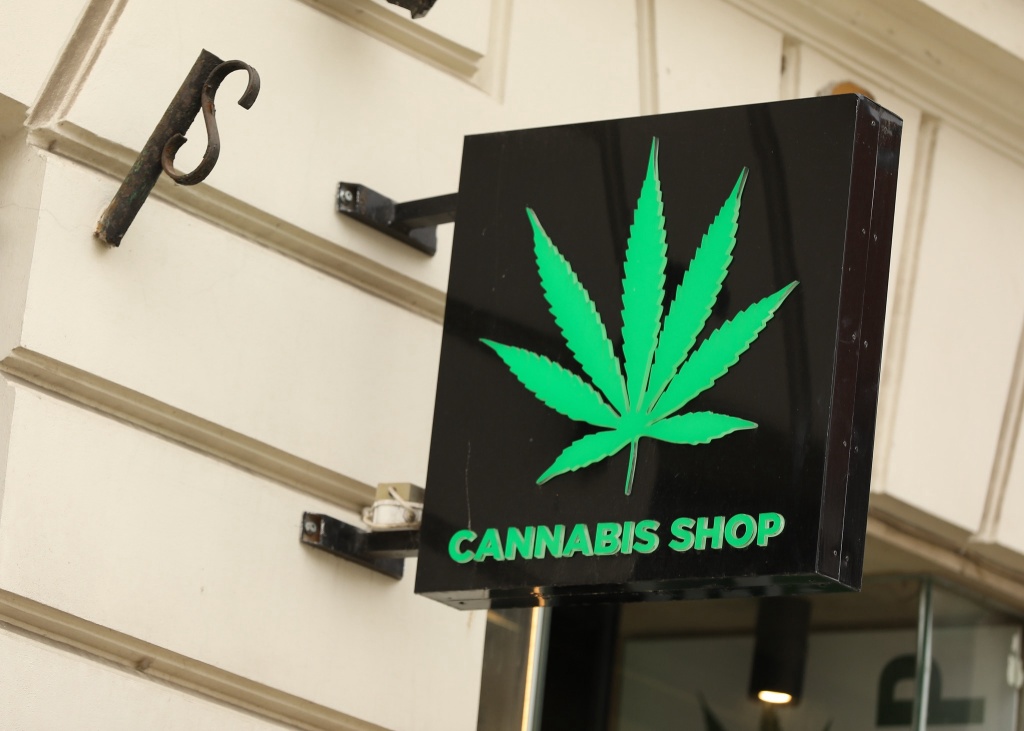
The cannabis industry isn’t necessarily known for being a settled landscape, but after years of business in some jurisdictions, things are starting to congeal more than was once the case. Consumer trends have started to emerge, as new and more casual customers enter the base and existing buyers mature in tastes.
RELATED: Would you trust a kiosk to pick your weed?
While a cannabinoid producer 20 years ago could afford to follow their gut, the modern owner needs market intelligence to stay on top. Similarly, the modern cannabis buyer needs to understand the gradations of the product, and everyone needs to know where regulations stand.
Market Size: What’s At Stake?
Anyone who ever predicted that cannabis would never be a big market has long been proven wrong. According to market research from BDSA, global legal cannabis spending was forecast to reach $47 billion in 2025. Additional forecasts from the National Cannabis Industry Association (NCIA) place the industry on track to exceed $70 billion by 2030.
These figures reflect total product sales, including recreational and medical. With so much growth so quickly and in the face of an uncertain regulatory environment, it’s clear to anyone paying attention that cannabis is big business.
Regulatory Shifts: Focus on the Farm Bill
Right now, there’s some uncertainty around regulatory shifts that will shape the cannabis landscape later in the year. The 2018 Farm Bill made hemp-derived products legal at the federal level, as long as they contain less than 0.3 percent Delta 9 THC by dry weight. Because hemp needs heat to convert THCA into Delta 9 THC, it created a legal path for products like edibles and concentrates to be sold across the country.
In late 2025, lawmakers introduced new language that could change how hemp-derived products are classified. If it moves forward as written, it would roll back key parts of the 2018 provisions that initially expanded access.
RELATED: Federal hemp ban fails to get Farm Bill lifeline
For retailers, that could mean rethinking how products are labeled and sold. For consumers, it could mean fewer options on the shelf. And for brands, it’s another reminder that the rules can change quickly, and staying adaptable is part of the business. Recent reporting has highlighted how these hemp classification changes could have a significant impact on the industry.
For people working directly with customers, the uncertainty is already part of daily conversations. When the rules aren’t clear, customers have a lot more questions. What we’re seeing is a mix of concern and pushback. Mostly, people just want to know they can keep buying the products they trust without feeling like the rules are going to change overnight. It makes it harder to explain when no one can say for sure what will happen.
Although these changes aren’t set to take effect until late 2026, they’ve already sparked plenty of debate. Lawmakers, businesses, and consumers are paying close attention, and the situation continues to evolve as the deadline approaches.
Consumer Trends
While the future of cannabis commerce largely depends on whether the legal definition of hemp will shift after the hemp updates, demand isn’t slowing down. Looking at what’s selling, current sales trends show growth mostly happening in pre-rolls and vapes, outperforming traditional flower in growth.
RELATED: The cannabis market is flooded—and it’s hurting everyone
It’s a matter of the contrast between new consumers and a mature market: new entrants want the convenience of a pre-packaged product, while longer-term customers prefer the cost savings of a rawer product. Recent industry reporting from Headset has highlighted continued growth in pre-roll sales, as the convenient format and lower price point appeal to consumers across nearly every demographic.
Industry reporting has also highlighted growing consumer interest in cannabis rosin products within the extracts category. This points to users zeroing in on products that meet their purity and transparency requirements. Since the overall extract market isn’t growing as quickly, much of those rosin sales represent customers settling on a preference within the subcategory.
New Frontiers: What’s Next?
Probably the most interesting change in the cannabis market in 2025 was the change in the presence of infused beverages. While a report notes that those drinks have only represented about one percent of regulated cannabis product sales in past years, it also mentions that stores carrying such beverages have increased the varieties they have stocked and the total number of sales.
The same report mentions that the total number of dispensaries carrying infused drinks hasn’t increased, though. This represents a possible opportunity for those willing to act ahead of the trend. If you’re looking for a wave to carry your business higher, THC seltzers and their cousins might be your next big thing.
Looking Ahead
As 2026 unfolds, the cannabis industry isn’t slowing down. Even with regulations still in flux, consumer preferences are becoming clearer, and new product categories continue to gain traction. While the exact path forward is still taking shape, staying informed will be just as important as a willingness to roll with the changes. If the past few years have shown us anything, it’s that cannabis momentum doesn’t stop; it shifts.
*This article was submitted by an unpaid guest contributor. The opinions or statements within do not necessarily reflect those of GreenState or HNP. The author is solely responsible for the content.