


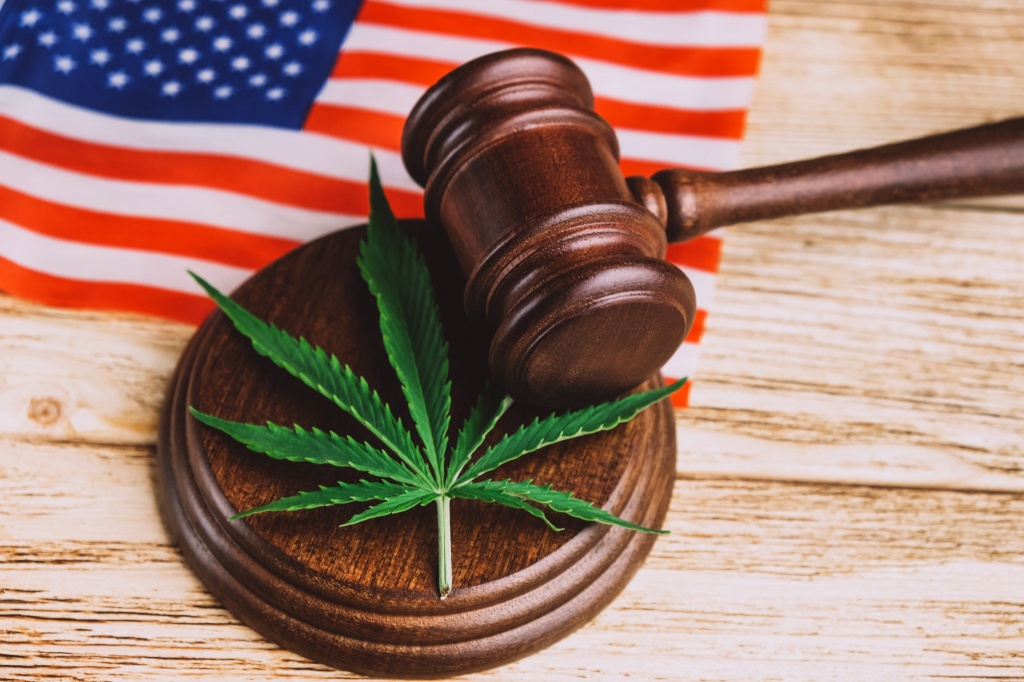
The path to cannabis rescheduling hit a new milestone this week when the acting Attorney General, Todd Blanche, signed an order immediately moving FDA-approved cannabis products and state-licensed medical marijuana from Schedule I to Schedule III. Later this summer, the Trump administration is expected to convene hearings to determine whether to complete the broader rescheduling of cannabis.
So what does this all mean?
RELATED: THCA, CBD, and hemp laws: Why the confusion isn’t going away
GreenState asked cannabis consumers and industry members what questions they have about the latest developments. The takeaway: uncertainty still outweighs clarity.
Here are some of the most common questions about cannabis rescheduling, explained.
What cannabis consumers want to know about rescheduling
We asked Reddit users what questions they have about Schedule III. From patient rights to traveling with weed, here’s what they want to know.
Is cannabis legal now? Will people in prison for cannabis be released, or will criminal records be expunged?
No. The order reclassified certain types of cannabis, but it did not fully legalize the plant. Rescheduling also does not include restorative justice measures. Those would require separate action.
What are the hearings this summer for? Isn’t rescheduling a done deal?
The order signed this week applies to FDA-approved cannabis products and state-licensed medical marijuana. That does not include adult-use cannabis. Hearings later this year are expected to inform a final decision on broader cannabis rescheduling.
Does this mean medical cannabis patients can travel with marijuana?
According to attorney Christine Senne, generally yes—with important caveats.
“As a lawyer, there are some ‘it depends’ elements,” Senne noted.
“Did the person buy through a program that the DEA permitted? Do they have their products in the labeled container showing it was dispensed to them? What are the laws of the travel destination? [It’s the] same considerations as when you bring your other controlled substances with you on vacation.”
RELATED: More weed, less crime? New study says yes
Senne noted that traveling through states where cannabis is illegal could still expose patients to local criminal penalties.
GreenState contacted the Transportation Security Administration for updated guidance on flying with cannabis and is awaiting comment.
Will patients need new prescriptions for cannabis from a doctor, or will their current recommendations be enough?
Since federal law states Schedule III drugs (like Tylenol with codeine or anabolic steroids) must be officially prescribed by a doctor, many wonder if state-issued medical cannabis cards will still be valid. Based on the language in the order, it appears existing patients should be good to go.
The order reads:
“A certification or other document (including an electronic document) that state law deems sufficient for a user to obtain marijuana or products containing marijuana for medical purposes shall be sufficient to permit dispensing of marijuana or products containing marijuana to a user.”
Can truck drivers or other Department of Transportation (DOT) employees legally use medical marijuana now?
It doesn’t appear so. The zero-tolerance policy of the DOT with regard to marijuana has not changed—even if it feels like it should.
Federal drug testing rules for transportation workers are set by the Department of Health and Human Services. Right now, those rules only allow testing for drugs listed in Schedule I or II under federal law.
RELATED: CBD may be legal, but people in these jobs need to abstain
However, the Department of Transportation has made clear that marijuana is singled out by name in its testing rules, not by its legal classification.
Can medical cannabis patients now legally purchase firearms?
Rescheduling does not change the current ban on cannabis consumers owning or using firearms. However, a Supreme Court case on the topic is pending.
Operators: the impact of rescheduling
For people engaging in the business of cannabis, questions around how the move will affect their day-to-day operations (along with the financial implications) seem to be top of mind.
What will change for medical marijuana companies?
According to Hirsh Jain of Ananda Strategy, nothing changes immediately. Legal challenges to rescheduling could delay the implementation indefinitely.
Barring any litigation, the order does contain some direction for medical cannabis companies. To comply with international treaties, these businesses must register with the DEA. The order says the DEA must “process all applications submitted within 60 days of the publication of this regulation in the Federal Register, within six months.”
RELATED: Do cannabis users pay more for insurance? What to know
The order notes that if a medical cannabis business has received licensure from an individual state, that evidence should be enough to qualify for a DEA license.
While there is language in the order stating the government must control the supply chain (i.e., purchasing cannabis and selling it back to operators), longtime cannabis journalist Jackie Bryant believes this is “a paperwork move so the U.S. can say it’s following [international treaties], not a sign that the DEA is about to start dealing weed.”
What are the financial implications of rescheduling for cannabis businesses?
This is one area with more clarity—though questions remain. Mark Waller, a certified public accountant with SAX, explained that state-licensed medical cannabis companies may soon be free of the undue tax burdens associated with operating within the industry. However, adult-use companies (or businesses that do both) may be out of luck, at least for now.
The Treasury Department announced that guidance would soon be released, noting the rescheduling could “have significant positive tax consequences for businesses in the medical marijuana industry.”
While the rescheduling news does not guarantee access to safe banking, analysts believe a move to Schedule III could help entice financial institutions to play ball.
What about adult-use cannabis? How will this impact companies that have both medical and adult-use licenses?
The order only applies to medical cannabis companies—for now. Hearings set for this summer are likely to address adult-use. For now, nothing changes with recreational weed.
RELATED: The overlooked factor making some weed better than others
For companies that operate in both markets, the latest developments don’t mean much. Adult-use cannabis is still Schedule I, meaning any benefits made available by the recent rescheduling don’t apply if you play both sides of the field.
Can medical marijuana companies engage in interstate commerce now or international import/export?
This part of the order is a bit ambiguous. While it states that registered medical cannabis companies can do business with one another to the extent permitted by state law, it’s unclear how that relates to broader regulation.
Jain remains deeply skeptical of interstate commerce because, under federal policy, it requires explicit authorization from the DEA. He believes international exports could happen before interstate commerce.
The decision to reclassify cannabis on the federal level is one of the biggest drug policy shifts in decades, but there are still many details to iron out. Time will only tell what the true implications of rescheduling will be for both operators and consumers.
