


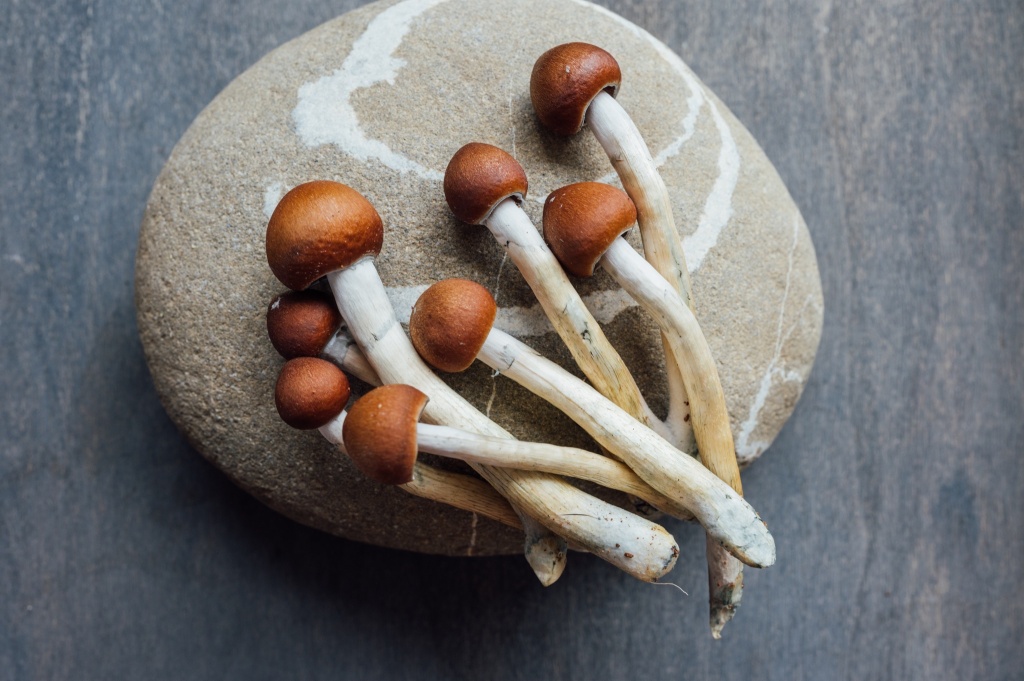
Psychedelics are becoming more popular as people seek alternative therapies for mental health conditions. Research shows compounds like psilocybin (aka magic mushrooms), MDMA, and LSD may be viable treatments for things like depression, anxiety, and obsessive-compulsive disorder. Many communities have enacted reform, but where are psychedelics legal in the U.S.?
RELATED: R&B star says ‘shrooms cured her depression—and revived her career
Psychedelic drugs remain federally illegal, though some states have opted to legalize them for therapeutic use. Several cities have decriminalized or deprioritized enforcement of possession and consumption of certain compounds. Reform is also pending in a wide number of states, including New York, Alaska, and several others.
Curious about where psychedelics are legal across the country? This quick guide has you covered.
Oregon: Mushrooms legal for therapeutic use
In 2020, Oregon voters approved Oregon Ballot Measure 109. The measure created a state-regulated system allowing licensed facilitators to administer psilocybin in supervised settings.
Oregon residents can consume “magic mushrooms” in supervised facilities. The Oregon Psilocybin Services program issues licenses for these facilities and creates regulations for them.
You cannot use magic mushrooms in your home in Oregon. You must go to a facility to get your supply and remain there while taking the mushrooms. Oregon does not require a prescription or a qualifying medical condition, though participants must complete an intake and safety screening.
Colorado: Certain psychedelics legal for therapeutic use, decriminalized for recreational use
Denver, Colorado, became the first city in the country to deprioritize law enforcement for psilocybin in 2019. Voters passed Initiated Ordinance 301, which stated police cannot use their funds to enforce laws against mushrooms, though people can still be charged for using them.
State voters took things a step further in 2022, with the passing of Prop 122, which legalized the therapeutic use of psilocybin, psilocin, dimethyltryptamine, ibogaine, and mescaline. These compounds are also decriminalized for people over 21.
RELATED: Meet the trauma survivor quietly shaping Colorado’s psychedelic future
Under current regulations, residents 21 or older can grow and share mushrooms at home. However, they cannot sell them for personal use. People with possession convictions can apply to have their records sealed.
The state’s first psilocybin licenses have been awarded, and the program is underway. While Colorado does not require patients to have a qualifying condition to receive treatment, they must undergo a safety screening. A family history of certain diagnoses (such as schizophrenia) may disqualify someone from mushroom therapy.
New Mexico: Mushrooms legal for therapeutic use
The Land of Enchantment became the third state to legalize magic mushrooms for therapeutic use with the signing of SB 219, also known as the Medical Psilocybin Act, in 2025. New Mexico is the first state to approve psilocybin legalization through the legislature instead of a ballot initiative.
The legislation calls for the creation of a medical psilocybin advisory board to guide regulations and establish a regulated system. The program will begin with four qualifying conditions for patients: treatment-resistant depression, post-traumatic stress disorder, substance use disorder, and end-of-life care. However, the law allows more conditions to be approved in the future.
SB 219 also directs budgetary resources toward research on medical psilocybin, as well as an equity fund to help low-income residents access mushroom therapy. Treatments would be administered by licensed clinicians in approved facilities.
New Mexico’s program is set to be operational by 2027. While qualified patients may be free from prosecution for participating in state-regulated psilocybin therapy, the drug is not decriminalized, meaning personal use is still illegal.
New Jersey: Mushrooms legal for therapeutic use coming soon
In early 2026, New Jersey Governor Phil Murphy signed a bill to establish a psilocybin therapy pilot program. Under Assembly Bill A3852 (24R), the Garden State will establish a limited behavioral health pilot program allowing a small number of hospitals to administer the compound to select patients under strict clinical supervision. The two-year program is designed to study safety and effectiveness for serious mental health conditions, not to create general public access. Outside of the pilot, possession and use of psilocybin remains illegal, making the initiative closer to a controlled research exception than full therapeutic legalization. The legislation was only just passed, so it will take time before the program is underway.
Murphy signed a separate bill in 2021 that reduced criminal charges and penalties for possession of up to one ounce of magic mushrooms.
Massachusetts: Mushrooms decriminalized in some cities
The state of Massachusetts has not legalized or decriminalized psychedelics. But several cities within Massachusetts have, and some of their policymakers are lobbying for statewide changes.
In January 2021, the city of Somerville approved Agenda Item 211137. Under the law, the police department cannot use its funds to arrest people with mushrooms. The city is also encouraging the District Attorney to drop all cases related to mushroom possession and use.
RELATED: Czech Republic legalizes psilocybin therapy
The cities of Cambridge, Easthampton, and Northampton passed near-identical laws in 2021. Mushrooms are still illegal. But possession cases are no longer the priority of the police or prosecutors.
The cities’ laws also apply to DMT. Other cities like Worcester are looking into decriminalizing psychedelics, but what steps they will take are not clear yet.
Washington, D.C.: Mushrooms decriminalized
Voters in the nation’s capital approved Ballot Initiative 81 in 2020. The measure declared that law enforcement must make the non-commercial cultivation, possession, and sharing of certain plant-based psychedelics the lowest priority. This includes ibogaine, dimethyltryptamine, mescaline, psilocybin, and psilocin.
While the compounds are still technically illegal, personal use is essentially tolerated. However, driving under the influence of these drugs and/or selling them could result in prosecution.
California: Mushrooms decriminalized in some cities
Oakland, California, deprioritized all psychedelic plants in 2019. In 2020, the Oakland City Council passed a resolution encouraging the state legislature to look into the legalization of psychedelics.
In 2021, the city of Santa Cruz also deprioritized psychedelic plants. However, using mushrooms in Oakland and Santa Cruz is still illegal. Using LSD and similar drugs is also illegal in all California cities.
RELATED: Why ‘shrooms help some people—and not others
In 2022, the San Francisco Board of Supervisors passed a resolution encouraging the deprioritization of psychedelics. The police department has not yet acted on it.
Minneapolis, Minn.: Certain psychedelics decriminalized
In 2023, Minneapolis Mayor Jacob Frey issued an executive order deprioritizing the enforcement of laws around the cultivation, distribution, possession, and consumption of certain plant-based psychedelics. This includes psilocybin, ayahuasca, mescaline, and iboga. Frey cited a long history of Indigenous use of the compounds, as well as emerging research on potential benefits, as his rationale for the order.
The directive does state that law enforcement may arrest and prosecute people who engage in the sale of these psychedelics, possess them on school grounds, or drive under the influence. Anyone caught with a firearm while under the influence may also be charged.
The state of Minnesota is currently mulling psychedelic reform, but nothing has been passed as of yet.
Washington: Many psychedelics (including mushrooms) have been decriminalized in some cities
The Washington Supreme Court ruled in favor of a case in February 2021 that decriminalized drug possession. In response, the state legislature passed SB 5476.
The law encouraged police officers to divert first-time possession offenders to assessment and drug treatment. It also made drug possession of all substances a misdemeanor.
In October 2021, the Seattle City Council passed a resolution deprioritizing psychedelics. The police department cannot detain or arrest anyone suspected of mere possession. But psychedelics remain illegal in the city.
RELATED: A Hollywood icon’s unlikely love affair with LSD
Two months later, Port Townsend passed its own resolution on psychedelics. No officials in the city can use any city funds to enforce laws against psychedelics.
In March 2022, the state legislature passed its budget bill. One provision is for the study of legalizing psilocybin in the state. The state will have $200,000 to examine the effects of psychedelics and decide on pieces of legislation.
Psychedelic reform at the forefront
Psychedelics are becoming more and more popular, and lawmakers are responding to booming research around their potential benefits. While a number of communities have enacted reform (with more likely on the way), it’s important to remember that psychedelics are still considered Schedule I substances. Despite this, many legislators and researchers alike agree that the compounds may have some value, and change could be coming soon.
