


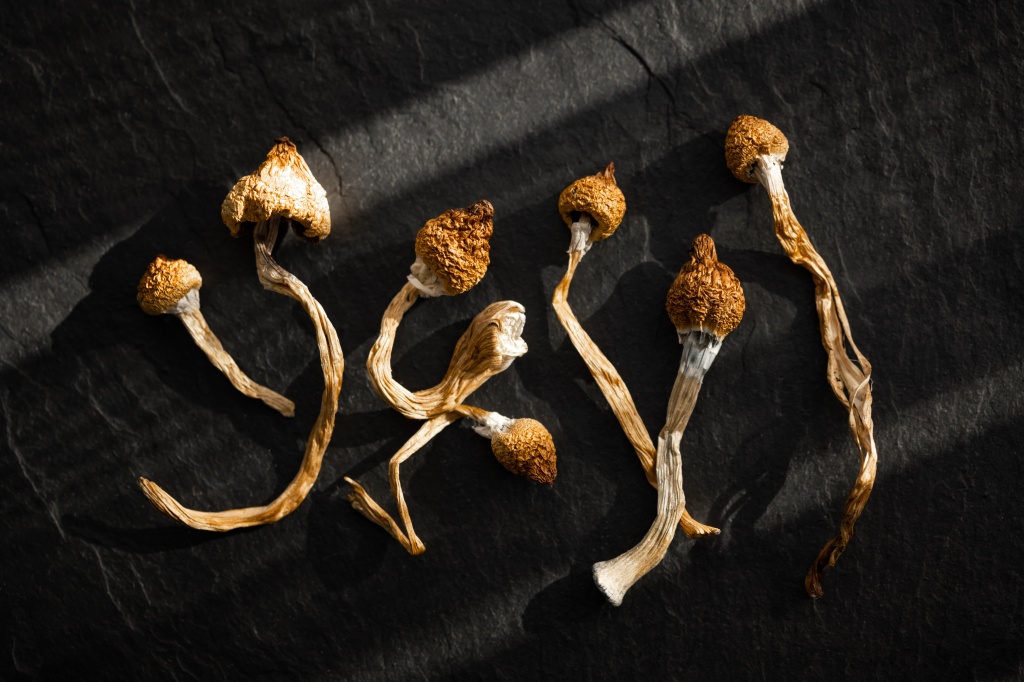
Psilocybin, the active ingredient in magic mushrooms, has shown potential for treating several mental health conditions. But what about other illnesses? A new pilot study suggests the compound could potentially help people with a common yet sometimes debilitating disease.
RELATED: Trump administration launches new magic mushroom study for veterans
Lyme disease affects hundreds of thousands of people in the U.S. The tick-borne illness can lead to a wide variety of health problems, including muscle weakness, irregular heartbeat, and arthritis.
Most people diagnosed with Lyme disease recover with antibiotic use, especially if the illness is caught early, but not everyone responds well to treatment.
An estimated 10–20 percent of patients develop post-treatment Lyme disease (PTLD), a chronic condition that can cause fatigue, pain, brain fog, and mood disruptions. There are currently no established treatments for PTLD.
Scientists at the Johns Hopkins Center for Psychedelic and Consciousness Research recently wondered if psilocybin could help.
“Psilocybin has recently shown potential antidepressant and anxiolytic effects in clinical trials as well as preliminary evidence for anti-inflammatory effects in animals,” the study authors wrote, outlining the rationale for their research.
RELATED: The hardest part of a psychedelic trip might be what comes after
In the pilot study, researchers administered two doses of psilocybin to 20 volunteers with PTLD over an eight-week period. The participants received 15 milligrams in week 4 and either 15 or 25 milligrams in week 6, depending on their response to the initial dose, alongside psychological support.
The study cohort included 11 women and nine men, with an average age of 44. The participants had been dealing with PTLD for an average of 5.7 years.
Roughly two weeks after their second dose, participants reported their symptom burden dropped by 52 percent. Six months later, overall symptom burden remained 40 percent below baseline.
This included a 50 to 60 percent decrease in depression, 40 to 50 percent reduction in sleep disturbance, and a 40 to 50 percent reduction in pain.
The researchers said the preliminary findings warranted further study.
“Clinical outcomes indicated potentially long-lasting benefits of psilocybin-assisted treatment, warranting further investigation for PTLD,” the authors wrote.
RELATED: This 10-minute DMT infusion reduced depression symptoms for months
Because the study lacked a placebo or control group, it cannot establish that psilocybin caused the reduction in PTLD symptoms. Larger, controlled studies are needed to determine whether psilocybin-assisted treatment is effective for PTLD.
While small, the study is another example of how magic mushrooms could be used therapeutically in the future.
