


I made a film once about how nobody noticed their food had changed.
King Corn followed two gentlemen growing an acre of corn in Iowa, trying to figure out where it went. The answer was everywhere and nowhere. Into syrup, into feedlots, into a thousand products that didn’t taste like corn. The government didn’t ban good food. It just spent decades subsidizing one cheap, standardized crop until the real stuff, the diverse, the local, the grown-with-intention, couldn’t compete on price and slowly disappeared from the middle of the country.
Nobody voted for that. It just happened, quietly, through policy most people never read.
I’ve been thinking about that film a lot this spring.
RELATED: An industry built by showing up—and why we can’t stop now
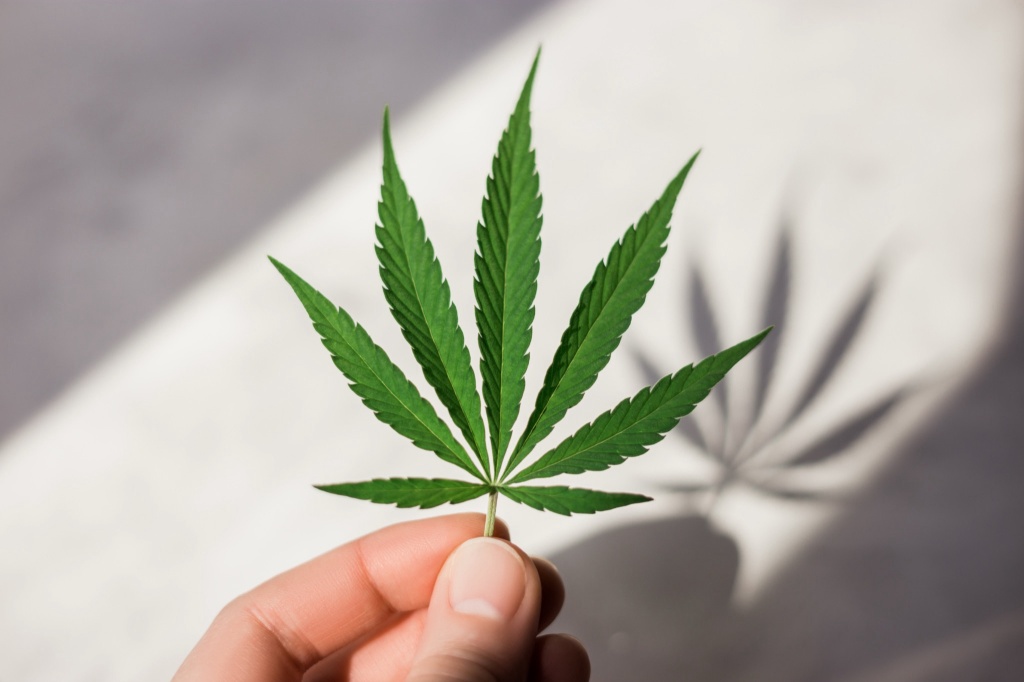
In April, the federal government finally admitted that cannabis is medicine. It moved medical products to Schedule III, opened up research, and lifted the tax penalty that’s been strangling operators for years. Currently, DEA hearings are weighing whether the rest of the plant follows. People are celebrating. Banking is coming. Capital is coming. The thing we fought for is finally here.
I’m glad. I mean that. This plant changed my life, medically. Patients have waited a long time for Washington to stop pretending this was poison. They earned this.
But I’ve seen what happens when a system decides to reward one version of a plant.
Schedule III is the prescription shelf. It’s built for things that come in standardized doses, that can be measured, reproduced, patented, prescribed. That’s what gets the federal blessing now. The banking, the insurance, the institutional money, the benefit of the doubt, all of it flows toward whoever can make cannabis look like a pharmaceutical. And the closer you make it look like a pharmaceutical, the further you get from why most of us fell in love with it.
The craft doesn’t fit on that shelf.
The small grower I buy from has a room, a few cultivars he’s bred for years, and an obsession with getting them right. No dosing chart. No patent. Just the plant, and the hands that grew it. That grower is the heirloom tomato in a country that decided to subsidize ketchup.
This is the part I can’t stop seeing. We are about to do to cannabis exactly what we did to corn. Not with a ban. With incentives. We’ll keep the recreational markets the voters built, twenty-four states and counting, but we’ll quietly starve them of everything that matters, and route the money, the legitimacy, the future toward the standardized version a federal agency knows how to measure.
And in fifteen years, people will wonder where the good stuff went, the way they wonder about a tomato.
RELATED: When cannabis companies fight, patients pay the price
I’m a patient, and I’m an operator, and I want legalization, real legalization, the kind that protects the craft instead of pricing it out. What concerns me isn’t the reform. It’s how good the reform looks while it does something we’re not talking about.
So if you’re in this industry, or you just buy from a dispensary you like, I’d ask you to pay attention to the part nobody’s putting in the press release. Ask where your cannabis comes from. Ask who grew it. Learn the difference between something grown with intention and something pushed through a system optimized for volume, because the system is about to get very good at producing the second one and calling it progress.
We’ve spent decades fighting for legalization.
The next fight is for the soul of this plant.
*This article was submitted by an unpaid guest contributor. The opinions or statements within do not necessarily reflect those of GreenState or HNP. The author is solely responsible for the content.