


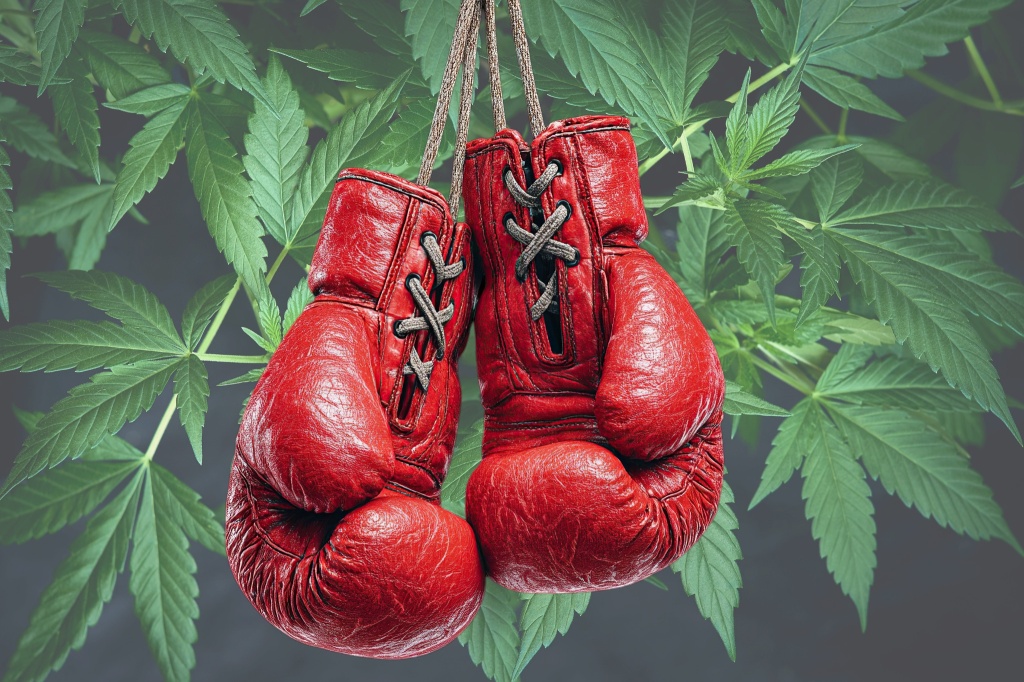
The modern marijuana space is fractured. Fragmented federal and local policies have led to siloed markets. Intoxicating hemp has thrived in many states, particularly those without regulated cannabis. Meanwhile, licensed cannabis operators have struggled to thrive on a seemingly uneven playing field, trying to play by the rules while competitors from the hemp industry operate with far fewer constraints. Many hemp operators are also navigating uncertainty, enforcement whiplash, and a lack of clear federal guidance, hardly the free pass they’re often assumed to have.
It has led to a significant divide, with stakeholders on both sides pointing fingers at each other. Even though ultimately, everyone is supposed to be on the same team. Cannabis vs. hemp is a true battle at a boiling point.
It seems that the warring factions have forgotten that the enemy is not who they think it is. In fact, both hemp and cannabis share one common threat that caused the rift to begin with: the federal government.
RELATED: What will weed look like in 2050?
After all, would intoxicating hemp even be a thing if cannabis were legal nationwide? Would synthesized cannabinoids like HHC be sold at truck stops if regulated THC products were easily accessible? What would the market look like if cannabis were not a Schedule I substance?
Sure, it’s possible that people would have still figured out a way to create synthesized cannabinoids at scale, producing cheaper products to undercut the market. But would they be available in the same channels as they are now? Or would they simply be inverted into regulated markets to help boost profits?
Would that inversion even be necessary if cannabis brands were able to operate in a way that allowed them to thrive? If they weren’t subjected to exorbitant regulatory fees, tax restrictions, and marketing shadowbans? If they could engage in interstate commerce?
The animosity that exists between hemp and cannabis operators is deeply troubling. In a way, it feels like both sides have become puppets in a dysfunctional story: stoke the fires of chaos, pit the community against one another, and watch the entire space implode.
RELATED: Going into the weed business? Read this
Perhaps operators should put aside their differences and unite toward a common goal. One that ensures federal plant policy is fair, just, and informed by common sense. The scarcity mindset has fanned the flames of this battle and is a disservice to both sides and, more importantly, the consumer.
As federal policy shifts, it’s this editor’s hope that the tables will turn before it’s too late.
