


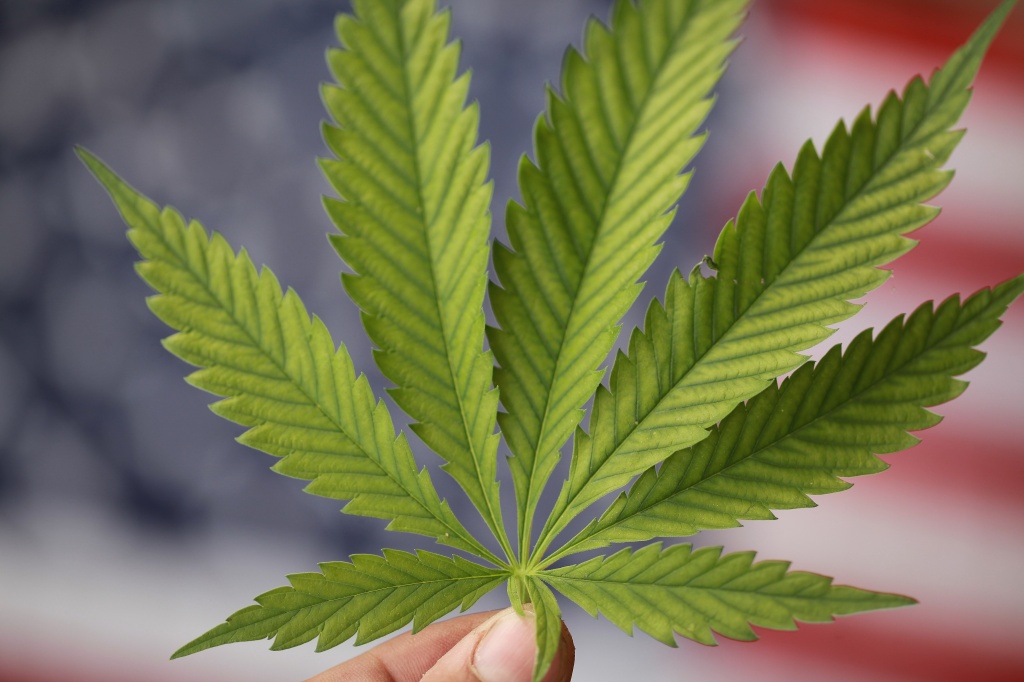
The booming hemp industry may finally have a fighting chance. The federal definition of hemp is scheduled to change on Nov. 12, a shift that would make many hemp-derived THC products and CBD products illegal. However, Senate leaders included language in a government spending bill that would delay the impending federal hemp crackdown, giving lawmakers and industry advocates more time to pursue permanent legislation.
RELATED: Trump administration pushes Congress to preserve CBD access
The Senate Appropriations Committee released the framework for a continuing resolution that would fund the government through Dec. 1. Tucked inside is language pushing the hemp redefinition change to December 11. It does, however, keep the ban on synthetic cannabinoids like THC-P intact.
The hemp ban itself was also part of a broader spending bill that ended the government shutdown in late 2025. Since then, several legislators have introduced standalone bills to regulate hemp ahead of the ban, though none have advanced.
Advocates believe extending the deadline into December could improve the odds of broader hemp legislation passing. Congress often uses its post-election “lame duck” session to wrap unfinished business into year-end spending bills, creating another opportunity for hemp legislation to become law.
Jonathan Miller, general counsel for the U.S. Hemp Roundtable, told GreenState that while the extension may only last a month, it’s an “uber-critical” period.
“This [continuing resolution] is likely the last big bill to pass Congress before the ban would go into effect in November – without the extension, it would be extremely difficult to fix before the industry is shut down,” Miller explained. “If the extension does pass, it will bridge the gap to the next big piece of legislation – the December government funding bill, which could serve as the vehicle for a more substantial fix.”
RELATED: The DEA’s cannabis hearings ask one question. The feds already answered it
Hemp industry advocates have ramped up lobbying efforts ahead of the Nov. 12 deadline. Alcohol retailers, where hemp-derived THC beverages have become a fast-growing category, have emerged as some of the industry’s loudest advocates.
According to an analysis from Delta Emerald, Total Wine generated nearly 47,000 letters to Congress urging lawmakers to support the continuing resolution. The campaign reflects growing industry concern over the pending federal restrictions.
The legislation still must pass the House before it can reach the president’s desk. If the hemp language survives negotiations, the industry would gain another month to pursue a longer-term legislative solution.
