


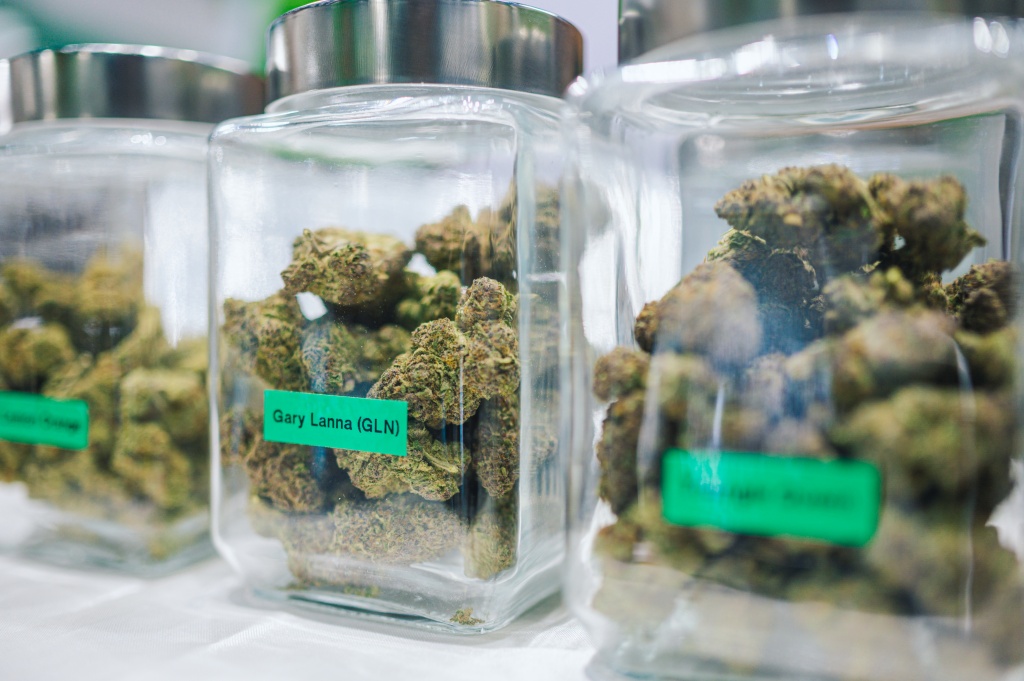
When acting Attorney General Todd Blanche ordered state-legal medical cannabis to be moved from Schedule I to Schedule III, licensed operators across the country scrambled to be among the first to take advantage. Over 7,000 applications were submitted for Drug Enforcement Administration (DEA) registration, which cannabis companies need to access Schedule III benefits, including relief from the federal tax provision known as 280E. But applicants in some states may not be able to secure registration because of how their lawmakers have structured the markets.
RELATED: Lawmaker floats new plan to save hemp industry
Minnesota-based In-Dispensary received a notice from the DEA proposing to deny its federal registration, citing the state’s ‘dual-purpose’ cannabis licensing as one reason. As first reported by the Minnesota Star Tribune, the agency argued that the state’s licensing framework fails to meet federal requirements because it allows businesses to sell both medical and adult-use cannabis
“The state regime fails to provide ‘robust protections’ against diversion, as non-medical use of marijuana remains prohibited under federal law,” the letter reads.
It’s unclear whether applicants in other states with dual-purpose cannabis licensing, including Missouri, Ohio, and Arizona, have received similar notices.
California regulators adopted emergency rules in June allowing businesses to separate their medical and adult-use licenses in anticipation of federal registration requirements. According to state regulators, 95 businesses have since separated their licenses, while roughly 1,600 may be eligible.
Representatives for the Department of Justice and In-Dispensary did not immediately respond to GreenState’s request for comment.
RELATED: ‘Complete disaster’: Calif. Lt. Gov. candidate calls for overhaul of cannabis industry
The DEA also raised concerns about Minnesota’s medical cannabis program, including provisions allowing certain veterans to qualify without a practitioner’s written certification and permitting dispensaries to sell certain hemp-derived cannabinoid products.
The Minnesota Office of Cannabis Management said in a statement shared with the Star Tribune that the letter does not impact the availability of regulated marijuana in the state.
“Minnesota is committed to fostering an equitable cannabis industry that prioritizes public health and safety, consumer confidence, and market integrity, and we believe our regulatory program can serve as a model for other states.”
The DEA announced its first wave of more than 900 medical marijuana registrations on Oct. 30. All were in seven states without operational recreational marijuana markets: Alabama, Florida, Mississippi, South Dakota, Texas, Virginia, and West Virginia. Virginia has legalized adult-use cannabis but has yet to set up licensed sales.
RELATED: Florida could get another shot at legalizing weed
The news indicates there is still widespread uncertainty about how the move to Schedule III will impact licensed cannabis operators. The DEA is still considering whether to reschedule all cannabis, not just medical, another decision that could further impact the registration process.
