


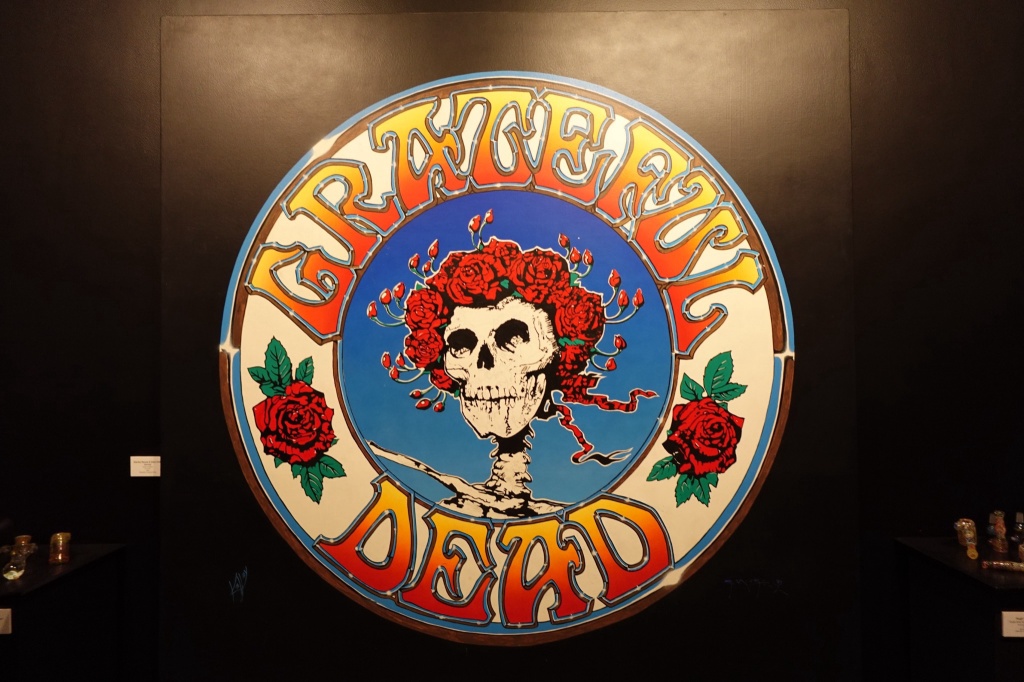
For 60 years, the Grateful Dead have existed at the intersection of music, art, and psychedelics. Born from San Francisco’s 1960s counterculture movement, the band transcended genre and generation. And while multiple threads have been spun from The Grateful Dead, many may not realize a common weed accessory is one of them.
RELATED: Get to the Bag shows how pot packaging transcribes cannabis culture
Walk into any dispensary or smoke shop today, and you’ll likely see a wide array of glass pipes. These quintessential cannabis consumption companions are ubiquitous in the weed world, ranging from $10 hitters to $10,000 works of fine art with intricate beading and a rainbow of colors.
While glass pipes feel ubiquitous today, the modern glass art movement traces many of its roots back to the Grateful Dead scene of the 1990s.
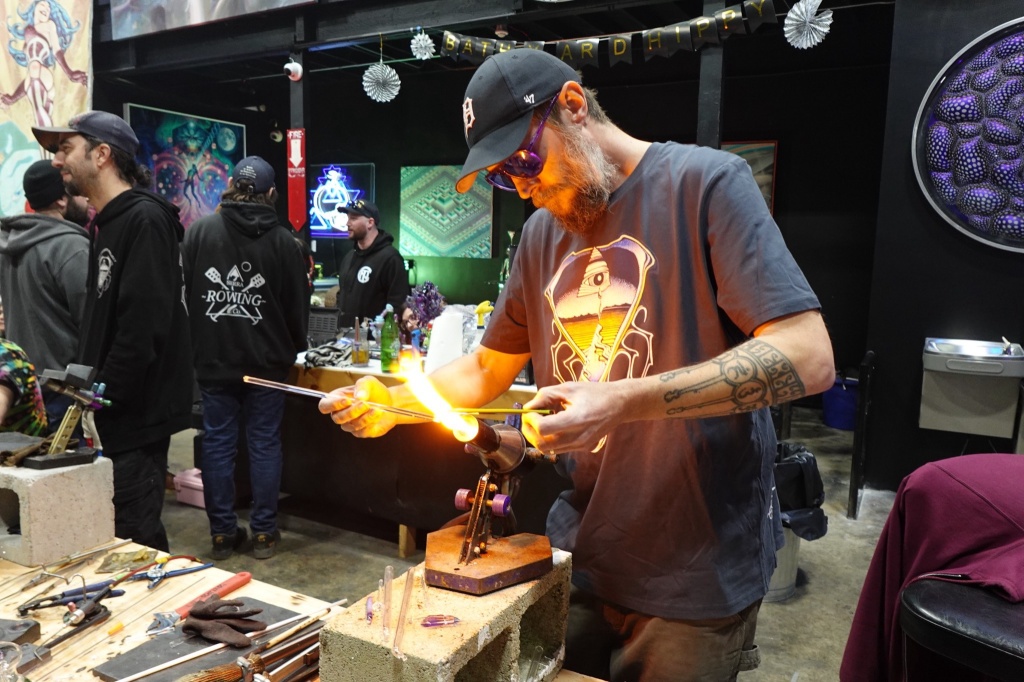
Brian Chambers, founder of The Chambers Project, recently told the story in the exhibition Glass is Dead. The presentation was part of a larger retrospective currently on display at his Grass Valley, Calif., gallery, celebrating six decades of Dead-inspired art.
A 30-year arts veteran, Chambers first decided to bring his passion for the Grateful Dead to his gallery in January 2024 after realizing the band’s 60th anniversary was approaching. He then brought this vision to life in December 2025 with the opening of the show. From concert posters to paintings and mixed media, the collector and curator had seen many Dead-inspired works of art over the years.
RELATED: Cannabis and couture collide at Smokin’ On The Runway
Chambers realized his position in both the art world and Dead community gave him a rare chance to bridge the gap between the two.
“I had met a lot of the people [who] owned all of this stuff, and that it was probably within my grasp to pull it all together and put together an amazing show that would tell the visual history of the band and show all these iconic works that have been really just kind of hiding out in people’s living rooms and closets forever,” Chambers told GreenState.
Building the Collection
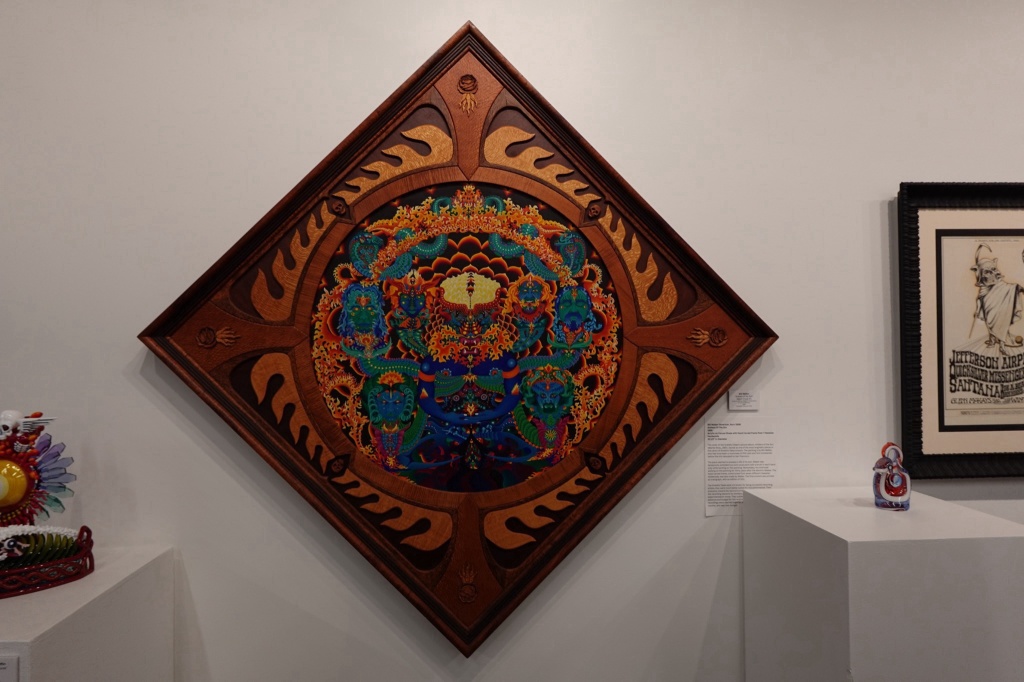
There are many iconic works in the Dead retrospective show, but one of the crown jewels is the Anthem of the Sun mandala. Bill Walker’s piece became the cover art for the seminal Grateful Dead album and remains the only album cover the psychedelic artist ever created.
Chambers took a shot in the dark, hoping to secure the piece for his exhibition. He was surprised when Walker replied to his cold email, saying the masterpiece was an hour away in Sacramento, sitting in Walker’s sister-in-law’s garage.
“Meeting Bill Walker was a serious anchoring point,” Chambers recalled. “After I got [his piece] into my possession, I kind of realized, ‘okay, now I’m really starting to cook with some gas.’”
Another legendary work in the collection is the original Hawaiian Aoxomoxoa cover illustration for The Grateful Dead’s third studio album. Created by Rick Griffin in 1969, the piece became a cornerstone of Chambers’ collection — and a bridge to the modern glass art movement.
How the Grateful Dead Influenced Glass Pipe Culture
Banjo, a well-known glass artist, wouldn’t be where he is today without the Grateful Dead. He discovered glass art through the Grateful Dead community in the late 1990s, where pioneers like Bob Snodgrass were honing their skills and selling their wares in informal “Shakedown Street” parking-lot marketplaces outside concerts.
RELATED: Drag icon Laganja Estranja’s new weed strain is loud, citrusy, and Pride-ready
Chambers tapped Banjo to help curate the showcase of glass art created by Grateful Dead devotees. In addition to pipes, the exhibit featured beads, jars, and LSD-vial art.
“The Glass Is Dead show is our first examination of one of the many creative fractals that sprang out of the Grateful Dead scene,” Chambers explained.
And while all of the works were impressive, the centerpiece was a fully functional glass rendition of the sun figure on Hawaiian Aoxomoxoa created by Banjo himself. The sculpture is an incredible feat of craftsmanship, deserving of a spot in any fine art forum. And yes, you can smoke out of it.
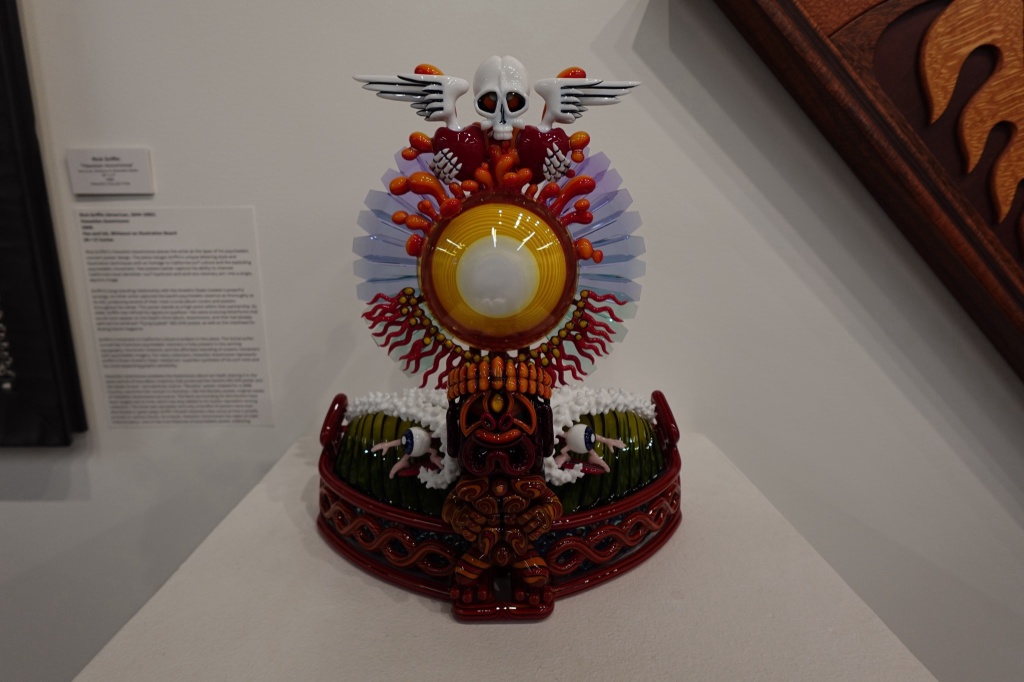
Banjo’s work is an achievement in the world of glass art, no question. It’s also a perfect tribute to a beloved album from a band whose fans birthed the very craft Banjo is known for. But more than that, it’s a reminder of how far the glass community has come.
For years, many glass pipes were sold underground because paraphernalia laws made open sales risky or illegal in parts of the U.S. Even comedian Tommy Chong was prosecuted in the early 2000s over the sale of glass pipes through his company. This kept artists like Banjo underground.
RELATED: ‘Join the Club’: reveals the queer roots of legal weed in America
But things are different now. Cannabis reform has spread far and wide, meaning glass art can be out in the open—and celebrated for the incredible work it can be.
“Now that marijuana has been legalized and is becoming more acceptable in the mainstream across the world and country, we’re enjoying the effects of that, including the ability to show these works on pedestals in such a fine art environment like this,” Banjo said.
“At this point, it’s unquestionable that there are tons of artists making high-level fine art that also happen to be pipes,” he added.
Honor the Past, Celebrate the Present, Help Shape the Future
Chambers said that the Glass is Dead and his broader Dead Retrospective are also part of a new initiative called PACT, short for the Psychedelic Arts and Culture Trust. The non-profit’s mission? Honor the past, celebrate the present, and help shape the future of psychedelic arts and culture.
“This is essentially a grand unveiling of what PACT is, and will become more of in the future,” Chambers explained.
“The 60 years of the Grateful Dead is an exploration into what level of curation and programming can be done when thinking about it through a philanthropic lens, putting more intention into the historical relevance and not having the financial pressure of selling the art.”
RELATED: EF Norris Ganymede Artifacts marry fine art and functional glass
As PACT looks toward future exhibitions and documentaries, Chambers hopes projects like Glass is Dead can help cement psychedelic art as an important piece of American cultural history. If the exhibition proves anything, it’s that the Grateful Dead’s legacy extends far beyond music—right down to the glass pipe in your pocket.
