


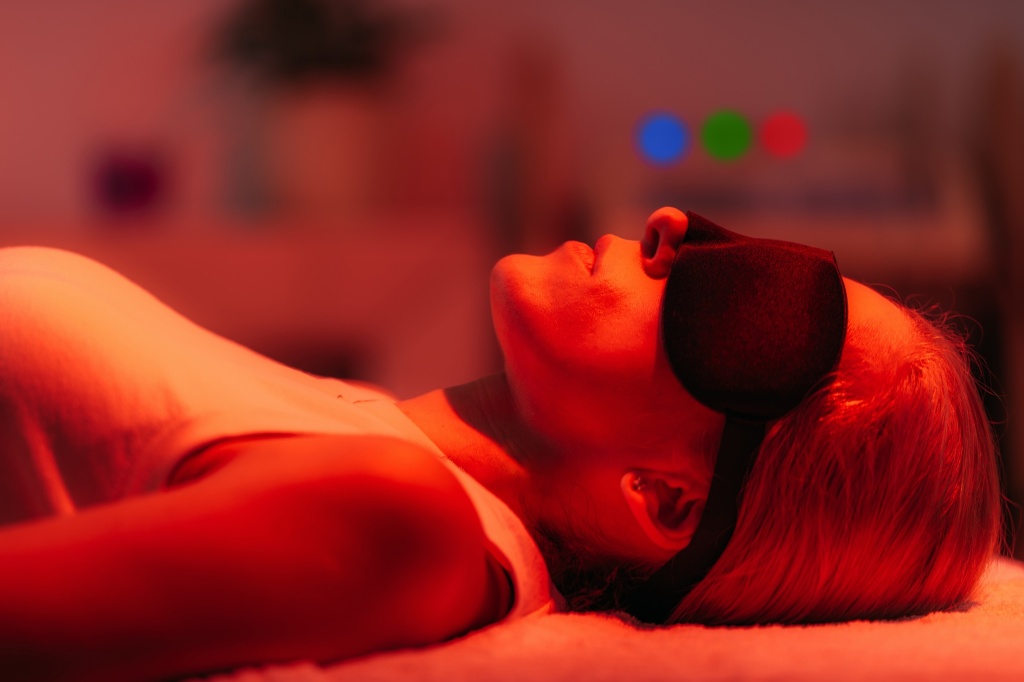
For decades, ketamine has lived a double life: known in medical settings as a trusted anesthetic and, separately, recognized in wider culture for its dissociative effects. In recent years, this compound has stepped into a new and complex spotlight. Across the country, ketamine clinics have emerged with the promise of helping people navigate tough-to-treat mental health conditions, including treatment-resistant depression and certain anxiety-related experiences. But what is ketamine therapy?
RELATED: Is ketamine a psychedelic? Breaking down the debate
As interest rises, so does the need for clarity. What actually happens during ketamine therapy? Who is it for? And importantly, who is it not for? Read on to find out.
What is ketamine therapy?
“Ketamine therapy” refers to the supervised use of ketamine in a medical or therapeutic setting, typically for people who haven’t found relief through conventional antidepressant medications or other treatments.
Clinics may offer it in different formats, including IV ketamine, ketamine infusion therapy, or a Food and Drug Administration (FDA)-approved nasal spray option. Sessions often unfold in calm, controlled environments, with trained professionals monitoring the experience from start to finish. While each clinic designs its own flow, most will aim to create a space that feels gentle and grounded. And for many clients, that atmosphere becomes just as meaningful as the medicine itself.
RELATED: PTO, 401(k), and…psychedelic therapy? This company makes ketamine an employee benefit
Many clinics follow a structured process sometimes called an induction phase. During this period, a person receives several sessions over a set number of weeks. A typical infusion session often lasts around 40 minutes, followed by additional time to rest and return fully to baseline before heading home. Afterward, some clinics may recommend maintenance appointments, though approaches vary widely depending on need.
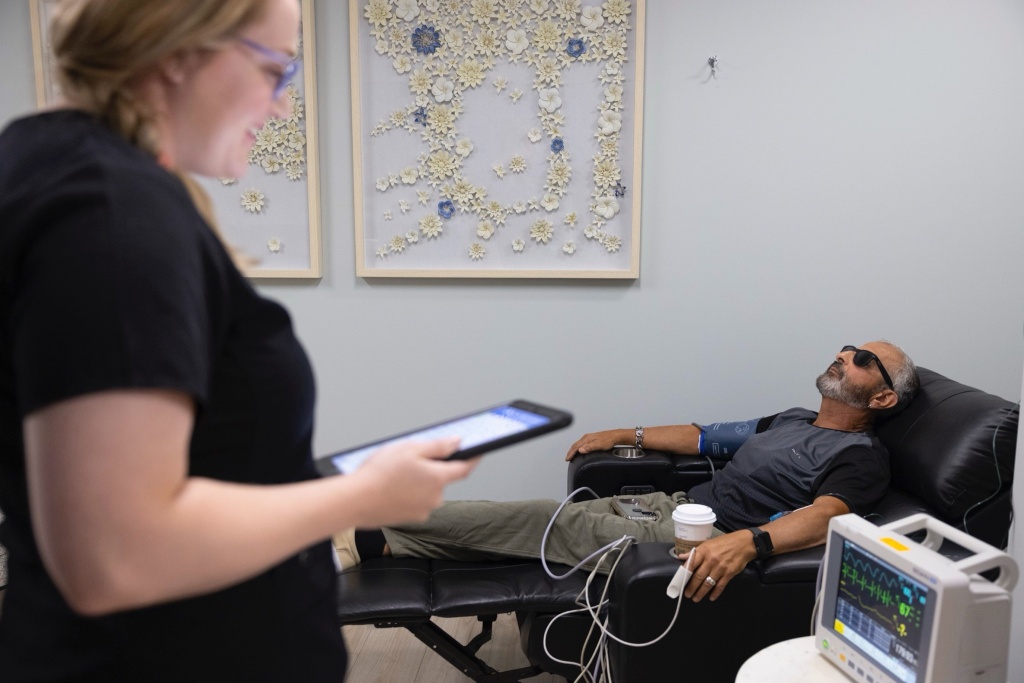
Throughout the process, clinicians track things like blood pressure, emotional response, and overall comfort. Some participants report temporary sensations like nausea and vomiting, dizziness, or a feeling of detachment. These are discussed openly beforehand, so people know what to expect. Again, the goal isn’t to create a dramatic or unsettling experience; it’s to observe how someone responds to a carefully managed session.
What’s important to understand is that ketamine therapy exists within a clinical structure first. As with any form of plant or psychedelic-adjacent medicine work, set, setting, and supervision matter just as much as the medicine itself.
Many clinics now incorporate preparation and integration sessions, not as requirements but as opportunities to frame the experience in a supportive way. For some, this preparation time becomes an anchor point that makes the entire process feel more intentional.
Does ketamine therapy get you high?
The ketamine experience can certainly be intense, but “getting high” isn’t necessarily the purpose, especially in a therapeutic setting.
During a session, ketamine can create altered perceptions or a sense of floating, often described as dissociative. This is part of why trained professionals stay close: so the journey feels contained rather than destabilizing. These sensations fade as the drug wears off, and most people return to baseline before leaving the clinic.
RELATED: Microdosing psychedelics linked to unexpected health benefits
What distinguishes clinical use from recreational use is intent and oversight. In a therapeutic setting, the focus is on emotional processing, observation, and long-term mental health goals, not on chasing an intoxicating moment. Clients are screened carefully, sessions are structured, and the environment is designed to keep people grounded.
Who is ketamine therapy for?
Ketamine therapy is most often explored by people who feel that traditional mental health treatment models are ineffective. Many clinics primarily serve patients with treatment-resistant depression, meaning they’ve tried multiple antidepressants or therapeutic approaches without significant relief.
It may also be considered by people experiencing persistent anxiety, obsessive thought patterns, or certain trauma-related symptoms, particularly when those experiences feel rigid or unresponsive to talk therapy alone.
That said, ketamine therapy isn’t usually a first-line treatment. Clinicians tend to view it as a support or catalyst rather than a cure. It’s often most effective for people who are willing to engage in preparation, reflection, and follow-up care, whether through psychotherapy, lifestyle changes, or other forms of mental health support.

Who is not a good candidate for ketamine therapy?
Even with growing interest, ketamine therapy is not for everyone. Because ketamine can temporarily raise heart rate or blood pressure, patients with certain cardiovascular conditions may be advised against it. People with a history of substance use disorder may also need additional evaluation, since ketamine carries a potential for misuse outside of clinical boundaries.
Those currently experiencing certain psychotic-related symptoms are often not considered ideal candidates, as dissociation can complicate those conditions. And while some individuals seek ketamine treatment for post-traumatic stress disorders or suicidal ideation, clinics typically require careful coordination with existing care providers to ensure safety.
RELATED: Scientists discovered a new kind of LSD
Furthermore, ketamine is not positioned as a permanent or long-term standalone solution. It’s generally framed as one option within a broader treatment of psychiatric disorders, and professionals tend to emphasize integration, follow-up care, and realistic expectations.
Because the ketamine landscape is still evolving, more research is ongoing, and protocols vary from clinic to clinic. For anyone considering its use, the most important step isn’t booking an infusion. It’s asking the right questions.
A responsible ketamine clinic will walk through the process, discuss potential side effects of ketamine, explain the difference between infusions and nasal spray, and help determine whether this path aligns with someone’s health history and goals.
Ketamine therapy: promising for some, but not for all
In a world eager for clarity, ketamine therapy still raises as many questions as it answers. But thoughtful information, careful screening, and compassionate care can make the conversation more grounded. Whether you’re intrigued, skeptical, or somewhere in between, understanding the basics opens the door to more nuanced choices about what healing can look like today.