


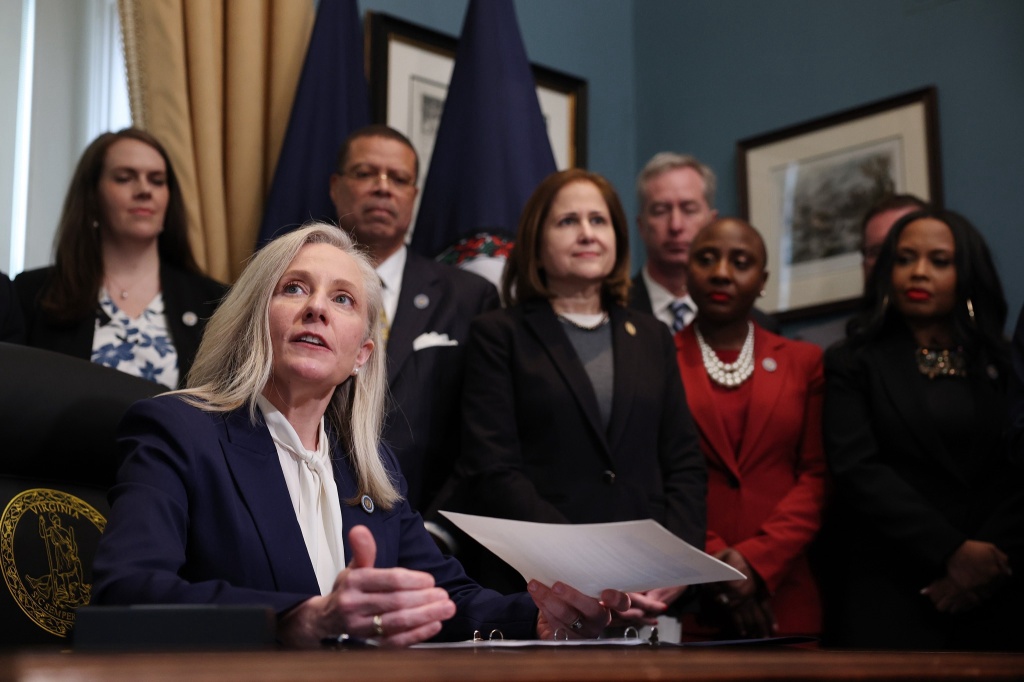
Gov. Abigail Spanberger vetoed legislation on May 19 that would have created a regulated retail cannabis market in Virginia, saying the bill lacked the structure, timeline, and enforcement resources needed to safely stand up legal sales. Because of the veto, Virginians can legally possess and grow cannabis, but they still cannot buy it from state-licensed recreational dispensaries.
RELATED: Texas hemp crackdown stalls as judge hits pause
The decision was disappointing for many supporters, especially after lawmakers had approved a framework that would have allowed retail sales to begin in 2027 and after Spanberger said she would help create a legal cannabis market. Despite legalizing cannabis years ago, Virginia has yet to create a legal market.
However, some hemp businesses saw an opportunity.
After the bill was rejected, some hemp businesses saw this as a chance to reset the legalization conversation, as opposed to ending it.
Their concern was that the bill, as written, could have boxed out many smaller hemp retailers and farmers before they had a fair chance to participate in the market because of the proposed THC cap on hemp products. The bill would have imposed strict limits that many operators said were unrealistic for the products currently sold in hemp shops. Some warned the rules would effectively wipe out much of the existing hemp retail market, while giving larger cannabis companies a cleaner path to legal sales.
However, the veto gives those businesses a chance to make this case before the next version of the bill is written and helps shape the replacement.
RELATED: Cannabis rescheduling: what we know—and what we don’t
In Minnesota, which already has a low-dose hemp THC market, the Office of Cannabis Management said that businesses helped pave the way for that market, illustrating how businesses can have an impact on the laws and regulatory framework of the cannabis market.
Other states with legal cannabis markets, like California and Ohio, have increasingly tried to close the gap between intoxicating hemp and regulated marijuana, not only because of consumer safety, but also for fair competition. Cannabis industry groups have argued that this kind of regulation is necessary because intoxicating hemp products have often been sold outside of the licensed cannabis system, creating what the National Cannabis Industry Association called “unfair competition” for regulated operators.
Now, the next phase of legalization may not simply be about whether Virginia finally opens dispensaries. It may be about who gets to help shape the market when it does.
For hemp businesses, the veto may not have been just a setback for cannabis reform. It may have been a rare chance to be heard.