


In the era where stars are only as good as their latest endorsement, cannabis was one of the next frontiers. But as any cannabis connoisseur knows: a famous name doesn’t automatically mean a good product. What does matter is authenticity, quality, and whether celebrity weed brands actually bring something new to the culture.
RELATED: Cheech & Chong are building a dispensary empire—and they want you in it
Here’s how celebrity weed brands are playing the game in 2026, and why some are resonating more than others.
When it feels authentic
Some celebrity brands work well because they feel true to the person behind them.
Belushi’s Farm is one of the most widely respected examples. Jim Belushi didn’t just attach his name to cannabis: he embedded himself in cultivation, education, and storytelling, especially around legacy growers and sungrown flower in Oregon. As a result, the brand feels grounded, intentional, and rooted in place, which is why it tends to earn respect from industry insiders, not just fans.
Whoopi Goldberg’s latest venture, Whoop-Tea, is another example of a celebrity brand that builds on an existing relationship with cannabis rather than forcing one. Goldberg has spoken openly for years about using cannabis for wellness, particularly around menstrual pain. Aligning with her long-standing advocacy, the brand positions itself around comfort, accessibility, and lived experience.
When storytelling matters
A good celebrity weed brand is also a story brand.
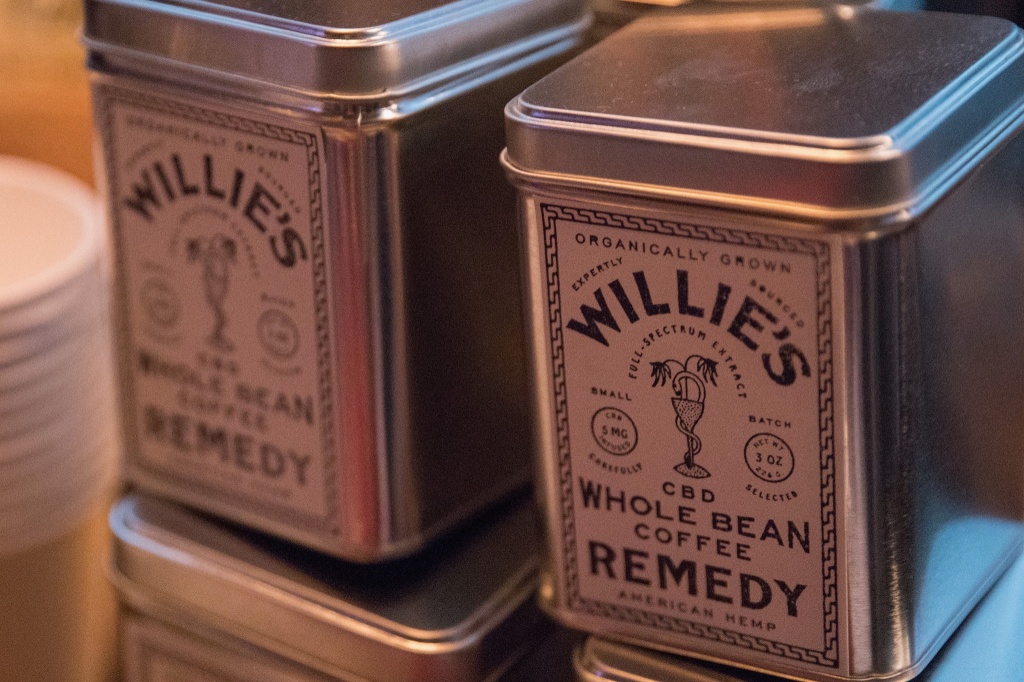
Willie’s Reserve leans into Willie Nelson’s decades-deep relationship with cannabis, activism, and outlaw culture. The brand doesn’t try to reinvent him: it extends his existing narrative into cannabis, which makes it feel natural rather than opportunistic.
RELATED: Rapper and weed mogul reveals strain he says is next big thing
Berner’s Cookies sits in a slightly different category. While Berner is definitely a celebrity, Cookies is respected because it emerged from cannabis culture itself. Its success comes from its strain development, retail presence, and deep ties to community and hip hop culture, not just celebrity status on its own. In many ways, it functions more like a cannabis brand that happens to have a celebrity founder than the other way around.
In each case, the brand does a great job of answering an important question: why this person, and why cannabis?
When it’s just hype (or too much hype)
Not every celebrity cannabis brand has staying power. Some rely heavily on name recognition without bringing forth consistent quality, clear identity, or meaningful engagement with cannabis culture. These brands may launch with buzz, sleek packaging, and press coverage, but struggle to build loyalty once the novelty wears off.
Celebrity brands can easily miss the mark if they prioritize aesthetics over experience. If the product doesn’t smoke well or feel distinctive, consumers notice quickly, and they move on just as fast.
Why some launches flop
Overexposure plays a major role in flop potential. When every celebrity enters the space, it becomes harder to stand out without a real point of view.
RELATED: Popular celeb couple gave out weed at their wedding
Cannabis consumers tend to be more discerning: they don’t just buy the story. They feel the product inside-out, and if it doesn’t deliver, no amount of celebrity can save it.
What fans actually want
Across the board, successful celebrity weed brands tend to share a few traits:
- Authenticity: the celebrity’s relationship with cannabis feels real
- Quality first: good flower, thoughtful formulations, consistency
- Culture: a brand that feels part of cannabis, not just commerce
When those elements align, celebrity brands can genuinely resonate. When they don’t, the project starts to feel like what it is: a marketing play. Star power may open the door, but what happens after that is what determines whether anyone sticks around.