


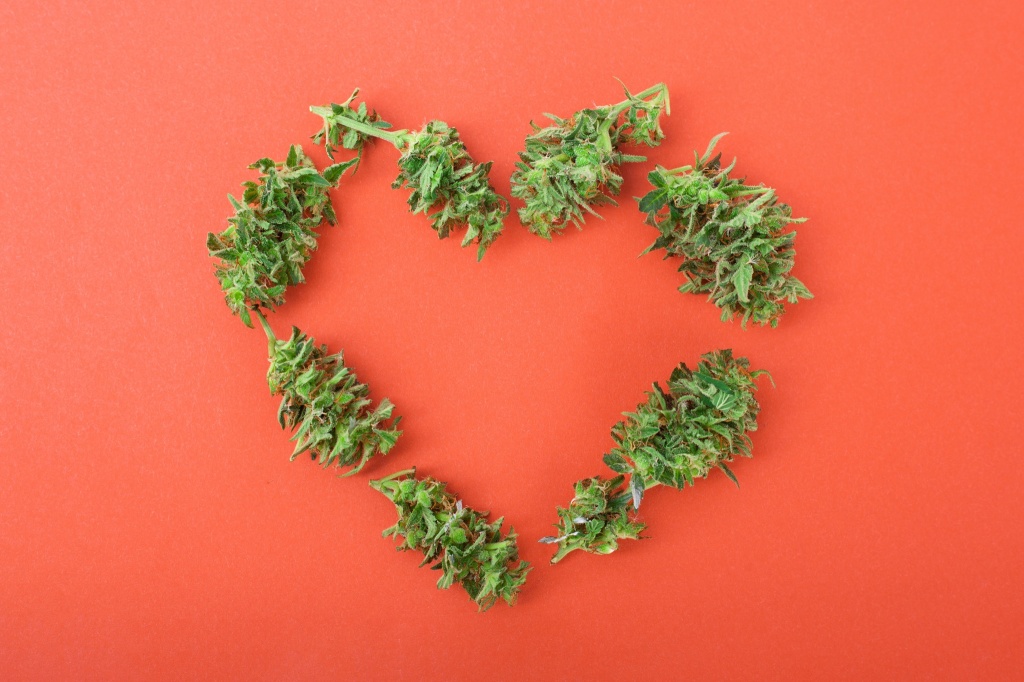
Breakups disrupt. They unsettle routines, future plans, and the version of yourself that existed alongside another person. Even when a breakup is mutual or clearly necessary, it often leaves behind a sense of emotional exposure, like the floor has shifted just enough to throw everything off balance.
RELATED: What your go-to cannabis product says about you
That vulnerability matters. During emotional transitions, people are more likely to be hard on themselves, to fall back into old coping mechanisms, or to reach for substances that provide them with quick relief. Alcohol has historically been the most socially accepted option: it dulls discomfort, speeds up forgetting, and helps people check out for a while.
But it also tends to flatten insight and numb you.
For some people, cannabis plays a different role after a breakup: it’s a tool for slowing down long enough to actually feel what’s happening so you can process it and truly move on.
Choosing presence over numbing
Cannabis doesn’t affect everyone the same way, but for many users, it heightens awareness rather than suppressing it. Thoughts surface more easily, emotions feel closer to the surface, and time stretches just enough to allow reflection instead of reaction.
That can be useful during a breakup, when emotions often arrive all at once. Instead of pushing feelings away or spiraling into self-criticism, cannabis can help create a buffer so you can notice what hurts without being consumed by it.
RELATED: Blazed by the stars: Valentine’s Day cannabis gifts for every Zodiac sign
This is where intention matters.
Using cannabis compulsively, or relying on it to avoid reality, can be counterproductive. But when approached deliberately, it can become part of a larger process of self-inquiry rather than escape.
Cannabis as a companion, not a crutch
Many people incorporate cannabis into grounding practices during emotional upheaval: a low dose before journaling, or a walk taken more slowly. Yoga, stretching, music, or simply sitting quietly with thoughts that feel too loud otherwise.
In these moments, cannabis isn’t doing the work: the person is. Weed just helps you change up the tempo.
It can soften harsh internal dialogue and make self-reflection feel less punishing, and that shift alone can be meaningful when you’re in a phase of life where self-blame and rumination are easy traps to fall into.
Grief, change, and identity
Breakups involve a kind of grief that doesn’t always get acknowledged. You’re mourning not only the relationship, but the imagined future attached to it. You’re also renegotiating who you are without that shared identity.
RELATED: ‘Dry January’ is becoming a year-round lifestyle
Cannabis can help some people sit with that uncertainty instead of rushing to fill it. It can make the in-between feel tolerable, even generative. A place where questions are allowed to exist without immediate answers.
When it helps, and when it doesn’t
Of course, cannabis isn’t universally helpful. For some, it might amplify the sadness or nostalgia you’re experiencing. For others, it brings emotions up faster than expected. It’s important to keep in mind that those reactions aren’t failures: they’re information.
Emotional transitions don’t come with a single correct coping strategy. What matters is awareness, balance, and honesty about why you’re reaching for something.
People turn to cannabis during breakups because it brings them something many substances don’t: presence without pressure, and a way to stay with emotion rather than flee from it. Sometimes, that’s exactly what’s needed.