


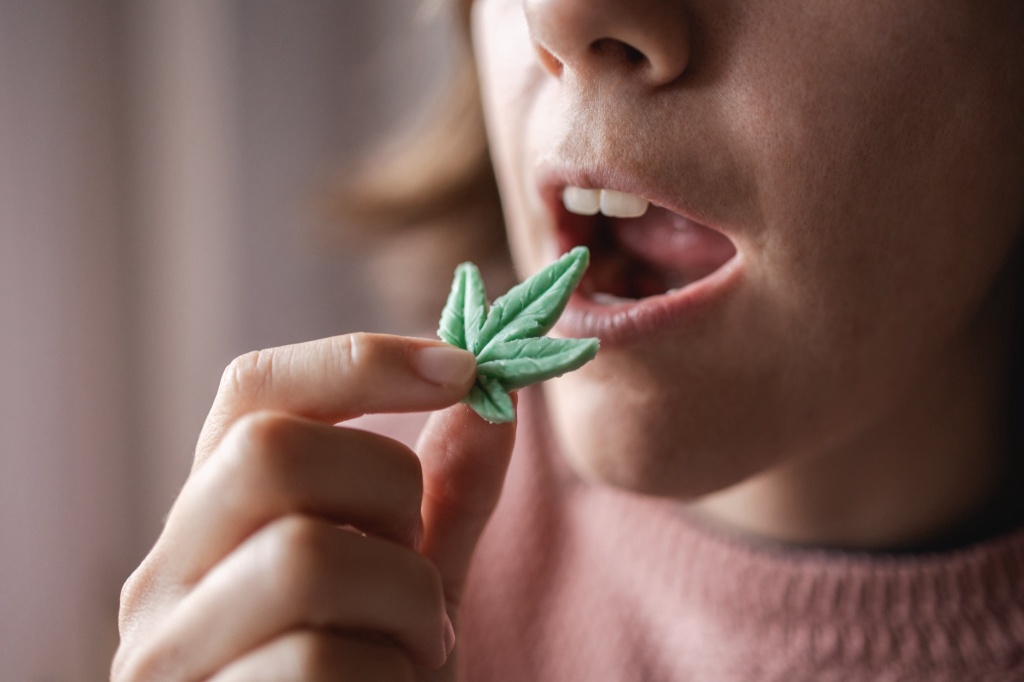
According to the American Psychological Association, most Americans struggle with chronic stress, which has an influence on both physical and mental health. The consequences include sleeping and digestion problems, high blood pressure, and mood changes. As a result, many individuals tend to turn to cannabis: not only for relaxation, but as a wellness option.
RELATED: Cannabis and memory loss? The data may surprise you
Nowadays, cannabis is no longer just for chilling; it transitions to a more promising product, with complicated and detailed results.
The Science of Stress and the Endocannabinoid System (ECS)
Before seeing how cannabis helps chronic stress, here comes the important question: how does it generally work? The answer is the endocannabinoid system (ECS), a network of neurons that runs through an individual’s brain, immune system, nervous system, and other organs. These neurons have one primary function: to maintain homeostasis. To clarify, ECS is one of the most important systems in how our bodies respond to stress.
When there is a daily stressor, such as a deadline, an angry boss, or another stressful situation that pushes the body into a “fight or flight” state, the hypothalamic-pituitary-adrenal (HPA) axis releases cortisol. As a response, the ECS helps regulate stress levels and mitigate the body’s response.
RELATED: These cannabis compounds have an unexpected impact on liver health
Research published in Neuropsychopharmacology found that stress triggers a decline in anandamide, which is the body’s own “bliss molecule”. It directly contributes to HPA axis activation and increased anxiety. Plant cannabinoids like THC and CBD interact with the ECS to help restore that balance.
A 2025 observational study from Johns Hopkins University found that most medicinal cannabis patients reported measurable reductions in anxiety and depression symptoms after using CBD-dominant products.
CBD vs. THC: Finding the Right Balance
It’s worth knowing that not all cannabis is the same. When talking about stress management, the amount of CBD to THC matters the most. This ratio is particularly important when it comes to “rebound anxiety”. The latter occurs when the anxiety becomes worse as a result of taking too much THC. The reason for this is that THC is biphasic, and its effects vary depending on dose and how often you take it.
Research conducted by the University of Chicago found that 7.5 mg of THC helped individuals to feel a little better. In the meantime, 12.5 mg made users more anxious. This perfectly explains why a little extra amount can cause “rebound anxiety” for those not using it quite often.
RELATED: THCA, CBD, and hemp laws: Why the confusion isn’t going away
Formulations with higher-CBD and lower-THC are known to be better tolerated for dealing with chronic stress. The reason for this is that CBD has anti-anxiety properties across a broader dose range and has the ability to counteract anxiety caused by THC. A naturalistic study found that individuals who use products with more CBD have better results of stress-relief than those who prefer more THC.
For individuals seeking professional guidance, consulting a qualified clinician and obtaining a medical marijuana card may offer lots of benefits. These benefits include tailored advice, lab-tested products, and direct discussions with doctors. All these points are essential for personal well-being, as individuals may have different reactions to cannabis that may not always lean to the positive side.
The Role of Terpenes in Relaxation
Cannabis contains terpenes, which are aromatic compounds. They are known to contribute to its stress-relieving effects through the “entourage effect“. The latter suggests that cannabinoids and terpenes work better together than in isolation. Two stand out for stress management:
- Linalool (also found in lavender) activates the parasympathetic nervous system and may block excitatory glutamate receptors. It plays an important role in helping to quiet a stress response.
- Myrcene, in its turn, is associated with sedation and muscle relaxation.
Microdosing for Daily Management
Microdosing is a big trend in cannabis wellness. It consumes small amounts of THC (typically 1–5 mg) for therapeutic benefit without impairment. At these sub-perceptual doses, THC gently activates CB1 receptors rather than overwhelming them, producing subtle improvements in mood and stress resilience.
In this regard, research has found that low-dose THC can lower cortisol and activate the parasympathetic nervous system, while higher doses tip the balance in the opposite direction.
RELATED: How AI is changing the way people buy and use weed
It is recommended to start at 1 mg and increase by 0.5 mg increments, tracking mood and sleep along the way. Sublingual tinctures offer the most precise dosing, and many users follow a cycling schedule (three days on, two days off) to prevent tolerance buildup.
Cannabis Works Best as Part of a Holistic Approach
It’s important to remember that cannabis is a tool, not a cure. It may offer a number of stress-management benefits; however, it should be used alongside other foundational practices. These practices include quality sleep, a balanced diet, and regular movement.
The rapidly expanding world of cannabinoid products (from CBD gummies to high-potency vapes to novel cannabinoids like CBN and CBG) makes professional guidance more valuable than ever.
Science says cannabis can support stress management, but how well it works depends on how you use it.
*This article was submitted by an unpaid guest contributor. The opinions or statements within do not necessarily reflect those of GreenState or HNP. The author is solely responsible for the content.