


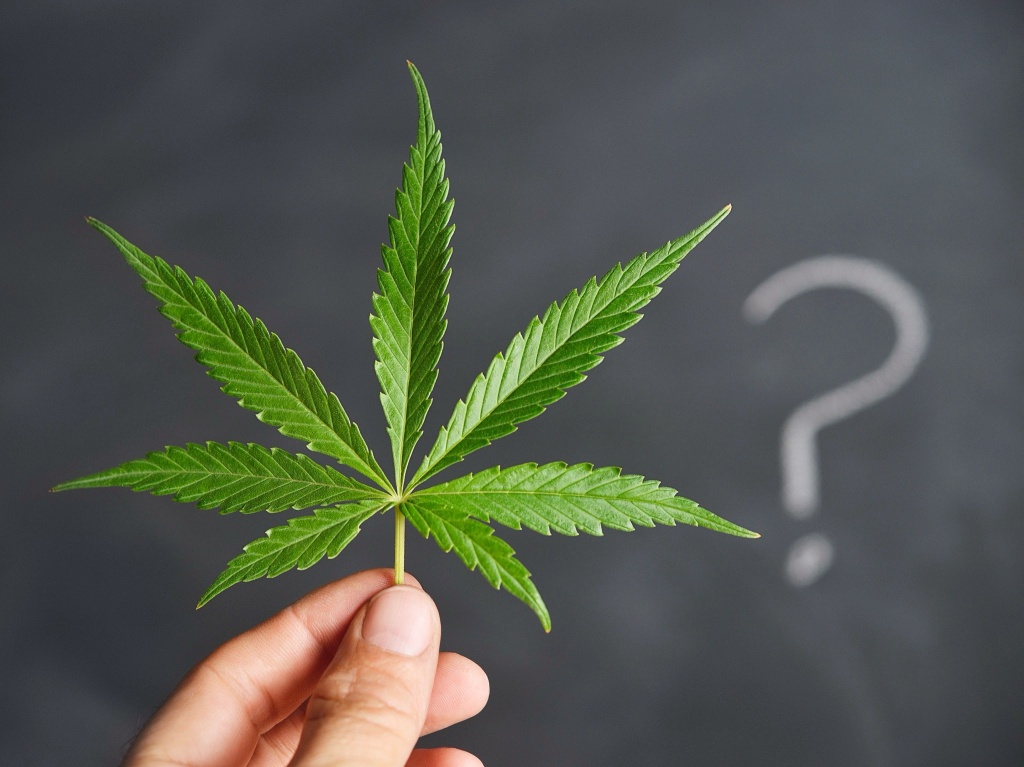
Walk into just about any dispensary today, and you’ll see the same thing: flower, vapes, gummies, tinctures, and edibles, all dressed to the nines with bright, colorful packaging and plenty of terms you’ve probably never seen before. Cannabis isn’t what it used to be. Now we have cannabinoid products like Delta-9, Delta-8, THCA, HHC, THCP, and, well, the list goes on and on.
While all of these products might share a common thread, they each offer unique effects and benefits.
RELATED: The one question some cannabis consumers can’t shake
What’s shocking isn’t how many cannabinoids have come onto the market, but how quickly they have appeared and how little the general public knows about the differences. Pair that with the fact that regulatory standards are still relatively murky, and it can be difficult to find accurate information, leaving even the avid cannabis users standing in front of dispensary displays, quietly wondering to themselves what in the world they’re looking at.
How the Market Got Ahead of the Conversation
The major spark for all of this was the introduction of the 2018 Farm Bill, which legalized hemp at the federal level as long as it contained less than 0.3 percent Delta-9 THC by dry weight. That sliver of an open door ended up becoming the break in the dam that flooded the market with cannabinoid products most of us had never heard of.
Manufacturers realized that cannabinoids could be extracted, converted, and synthesized in ways that technically complied with the law while still producing the same or similar effects to traditional THC. As made clear by the Congressional Research Service, legislation did not anticipate its new laws becoming a “loophole.”
Since the Farm Bill’s introduction, regulatory oversight has been fragmented. While retailers and manufacturers had the green light to innovate and run with it, the standardized guidance couldn’t keep up.
Why Cannabinoids Are So Hard to Tell Apart
Part of the confusion stems from the chemistry. Many cannabinoids share the same names and molecular structures, even though they behave differently in the body.
Delta-9 THC, for example, is the primary psychoactive compound in cannabis. It’s the one most people associate with the plant, whether they know it or not. THCA, on the other hand, is a non-intoxicating compound that converts to Delta-9 THC when heated.
RELATED: The real reason legal weed still feels expensive
Then we have HHC, which is hydrogenated for shelf-stability and slightly milder than Delta-9 THC, and Delta-8 THC, which is typically synthesized from CBD and is also on the milder side.
As a consumer, it’s important to know these differences, just as if you were buying a pain reliever and trying to decide between ibuprofen or acetaminophen. Though labels may list percentages, they don’t often spell out how products work or how differences in the structural compounds can have significantly different impacts.
Labeling Hasn’t Kept Up
Labeling standards have struggled to keep up with the pace at which the industry is moving. While many products have certificates of analysis, there isn’t a standardized method for how those results are presented.
As consumers, we see “legal THC” or “hemp-derived” when looking at cannabinoid products online. These terms signal compliance, but they do little in clarifying how a product actually feels.
The education gap is just as wide for longtime cannabis buyers, who only have their prior experience to guide them. A consumer accustomed to traditional flower, for example, may find a THCP vape online and assume it has the same strength, only to discover it’s far more potent. In fact, some studies say THCP is up to 33 times more potent.
Regulation Is Also Trying to Catch Up
The FDA doesn’t have comprehensive authority over many hemp-derived cannabinoid products, even though many states have already responded to new laws with a patchwork of rules. Many economists frame this patchwork as “inconsistent” and potentially involving a “conflict of interest” when states provide cannabis producer-funded third-party laboratories with funding for testing.
RELATED: Marijuana, cannabis, hemp: what’s the difference?
Without uniform standards, it also seems impossible to many that we’d have centralized education for consumers, who are expected to understand chemistry and complex legal thresholds.
What Does the Future Hold for Alternative Cannabinoids?
The cannabinoid market shows no signs of slowing down, even with consistent commoditization pressure and potential federal bans in place. However, what remains unsolved is how quickly consumers will be able to catch up, or whether clearer labeling or standardized terminology protocols will be put in place.
For now, the industry is in a uniquely experimental phase, and what comes next, we can only wait to find out.
*This article was submitted by an unpaid guest contributor. The opinions or statements within do not necessarily reflect those of GreenState or HNP. The author is solely responsible for the content.