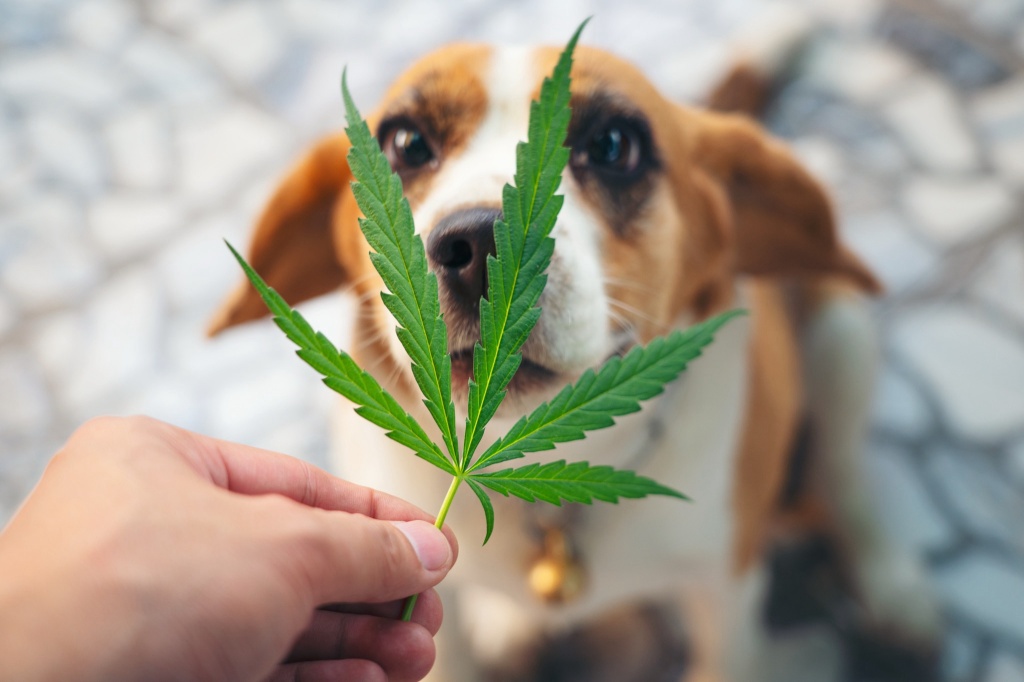
For many pet owners, cannabis has become a part of everyday life, whether for recreational or medicinal purposes. While most of us enjoy it responsibly, questions have emerged about how cannabis exposure might affect our furry companions. Can dogs get high from secondhand smoke? How much exposure is dangerous? What should responsible pet owners do to keep their pets safe?
RELATED: What’s really in your rolling papers? Myths, facts, and hidden risks
Before diving into the science, it’s important to emphasize that cannabis products should always be stored safely, out of reach of pets. Accidental ingestion can quickly turn dangerous. This article explores how dogs interact with cannabis, the risks of secondhand marijuana smoke, and what to do if a dog ingests cannabis.
Dogs and Cannabis
Dogs, like humans, have an endocannabinoid system (ECS): a network of receptors that interacts with cannabinoids. Interestingly, dogs have more cannabinoid receptors in their brains than humans, which makes them particularly sensitive to THC, the psychoactive compound in marijuana.
Some pet owners administer CBD, which is not overly psychoactive to most, to help with anxiety, arthritis, joint pain, or inflammation. While CBD is generally well-tolerated in proper doses, THC is a different story.
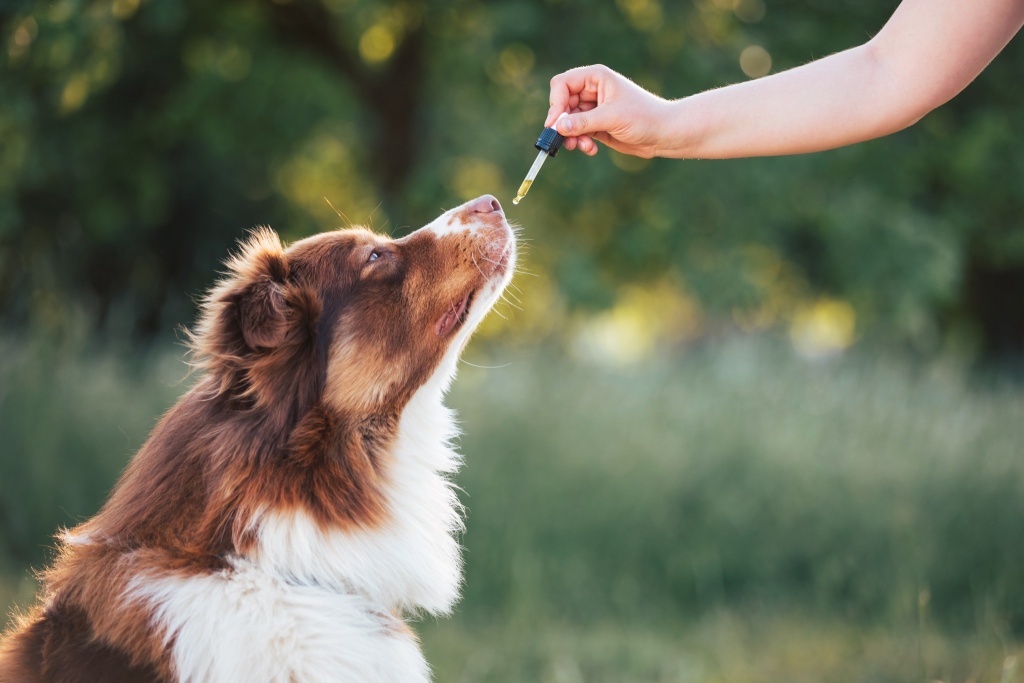
Even small amounts of THC may be toxic to dogs, leading to marijuana intoxication. Symptoms may include lethargy, uncoordinated movements, urinary incontinence, vomiting, and, in severe cases, seizures or life-threatening complications.
It’s crucial to distinguish between CBD products formulated for pets and human-use cannabis products. The latter may contain levels of THC that are dangerous for dogs, making marijuana ingestion a serious concern. Responsible pet owners should always check labels and avoid giving their pets any product that contains THC.
What to Do if Your Dog Consumes Marijuana
Despite the best precautions, accidents can still occur. If a dog ingests cannabis or shows signs of marijuana intoxication, immediate action is vital. Symptoms of THC toxicity in dogs typically appear within an hour of ingestion and may include disorientation, excessive drooling, tremors, vomiting, urinary incontinence, and unusual vocalizations.
If you suspect your dog has ingested marijuana, call your veterinarian or an animal poison control center immediately. They can advise on whether supportive care at home is sufficient or if your pet requires veterinary intervention.
RELATED: CBD oil vs treats for dogs: which is better?
In some cases, veterinarians may administer activated charcoal to limit further absorption of THC from the gastrointestinal tract. Supportive care, including intravenous fluids, monitoring body temperature, and providing a safe, quiet environment, is often necessary until the effects of THC wear off.
Time is critical, and prompt attention can prevent serious complications. Do not attempt to induce vomiting unless specifically instructed by a professional, as this can worsen certain situations depending on the form of cannabis ingested.
Can Dogs Get High from Secondhand Smoke?
Secondhand marijuana smoke is another area of concern for pet owners. While a dog’s ECS makes them more sensitive to cannabinoids, research indicates that secondhand marijuana smoke poses less risk than direct ingestion. The effects of THC from inhaled smoke are generally milder, but exposure is still not without risk.
Studies on secondhand marijuana smoke in dogs are limited, but existing research in animals and anecdotal veterinary reports suggest that prolonged or heavy exposure could result in mild signs of marijuana intoxication. Symptoms may include lethargy, mild disorientation, and loss of coordination.
Smoking around your dog can also cause respiratory issues, increase the risk of cancer (such as nasal and bladder cancer), and trigger behavioral changes like anxiety and aggression. The risks are greater in smaller dogs, as even small amounts of THC can have noticeable effects due to their lower body weight and higher concentration of cannabinoid receptors in the brain.

Responsible pet owners should avoid smoking cannabis around their dogs. If exposure occurs, ensure good ventilation and remove the dog from the area. While brief exposure to secondhand marijuana smoke is unlikely to cause severe toxicity in most dogs, it’s not recommended to test these limits.
It’s also worth noting that edible cannabis products are particularly dangerous. If a dog ingests marijuana in baked goods or candies, the effects are more severe and long-lasting than inhalation. If the edible contains chocolate or other ingredients toxic to dogs, call animal poison control or your vet immediately.
Pawsitive Approaches to Pet Safety
Yes, dogs get high from secondhand smoke. While the effects are generally mild compared to direct ingestion, responsible pet owners should err on the side of caution and minimize any exposure to cannabis products around their pets.
Dogs have more cannabinoid receptors in their brains, making them highly sensitive to THC, and even small amounts can lead to marijuana intoxication with symptoms like urinary incontinence, disorientation, or lethargy.
RELATED: Forget dogs–here’s why I give my cat CBD
Always store cannabis products safely, and never intentionally expose your dog to THC. If a dog ingests marijuana or shows any signs of THC toxicity, seek veterinary guidance immediately. Prompt intervention, including supportive care or activated charcoal administration, can prevent life-threatening complications.
Ultimately, the safest approach is prevention. Keep cannabis products out of reach, avoid smoking around pets, and stay informed about the risks. Responsible pet owners understand that while cannabis may be part of their lives, the health and safety of their dogs must come first. Erring on the side of caution helps ensure your pet remains happy, healthy, and free from THC effects.