


Every March, Multiple Sclerosis Awareness Month invites the public to reckon with a disease that affects nearly one million Americans (myself included). For most of them, that disease reshapes the most ordinary parts of daily life.
What it rarely prompts is a conversation about the drinks industry. But maybe it should.
RELATED: This low-odor cannabis flower could make smoking more discreet
A growing lifestyle shift
Over the past several years, something significant has shifted in how Americans consume, or choose not to consume, alcohol. According to a 2023 Gallup poll, younger adults are drinking less than any previous generation on record. The sober-curious movement has moved from niche wellness circles into mainstream consumer culture. And a growing number of people managing chronic illness, medication regimens, or simply personal preference are actively seeking alternatives that allow them to participate in social rituals without the consequences alcohol brings.
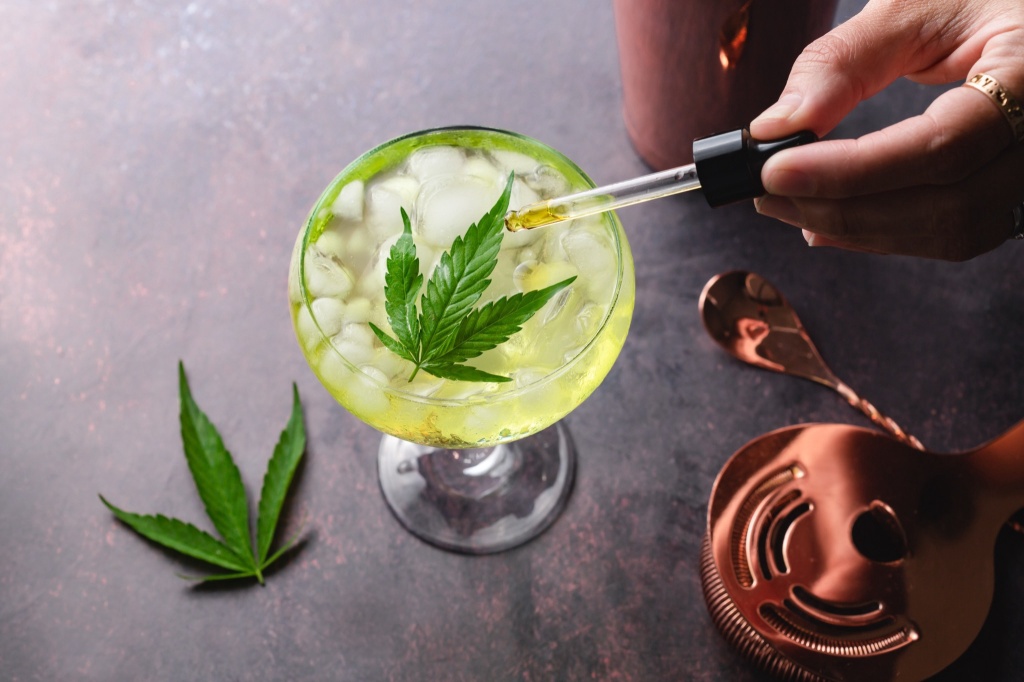
Cannabis beverages have emerged as one of the most compelling answers to that demand.
The appeal is not purely recreational. For people living with conditions like MS (like me), which can involve fatigue, pain, cognitive disruption, and heightened sensitivity to alcohol, the calculus around drinking has always been complicated. Alcohol can exacerbate MS symptoms and interact poorly with common disease-modifying therapies. Yet the social pressure to drink, to hold something celebratory, to participate in the raised-glass ritual of human connection, does not disappear with a diagnosis.
RELATED: How cannabis is reshaping the menopause conversation
This is the gap that a new generation of cannabis beverage brands is attempting to fill, not with medical claims, but with intention. The question driving product development in this space is less “what does this cure?” and more “what does this make possible?”
That reframing matters. Wellness, particularly for people living with chronic illness, is not only about symptom management. Research into quality of life for MS patients consistently identifies social participation, emotional well-being, and sense of agency as meaningful contributors to overall health outcomes. Products that support those dimensions of life, without introducing new risks, represent a genuine, if underappreciated, category of harm reduction.
Drinks for all types of consumers
The cannabis beverage market is still young, and the regulatory landscape remains uneven across states. Questions around standardized dosing, long-term safety data, and federal classification are legitimate and ongoing. Consumers navigating this space deserve transparency, rigor, and honest labeling, and the industry’s best actors know it.
What is clear is that the cultural conversation has already shifted. The drink in someone’s hand at a gathering has always been about more than the liquid inside it. It signals belonging. It marks moments. It says, without words, I am here, and this matters. For too long, people who couldn’t, or chose not to drink alcohol, had no seat at that table.
RELATED: What if weed had vintages like wine? California is making it happen
This MS Awareness Month, the most interesting question in the cannabis industry isn’t about THC milligrams or market share. It’s about who gets to celebrate, and what we’re willing to build to make sure the answer is everyone.
*This article was submitted by an unpaid guest contributor. The opinions or statements within do not necessarily reflect those of GreenState or HNP. The author is solely responsible for the content.
Leah Kollross is the founder of 23rd State, a Minnesota-based cannabis beverage brand. She serves on the NCIA HR Committee for the 2026 term. Kollross has a financial interest in 23rd State. Leah has been living with MS since her diagnosis in 2023. Read more about Leah’s journey with MS and cannabis.