


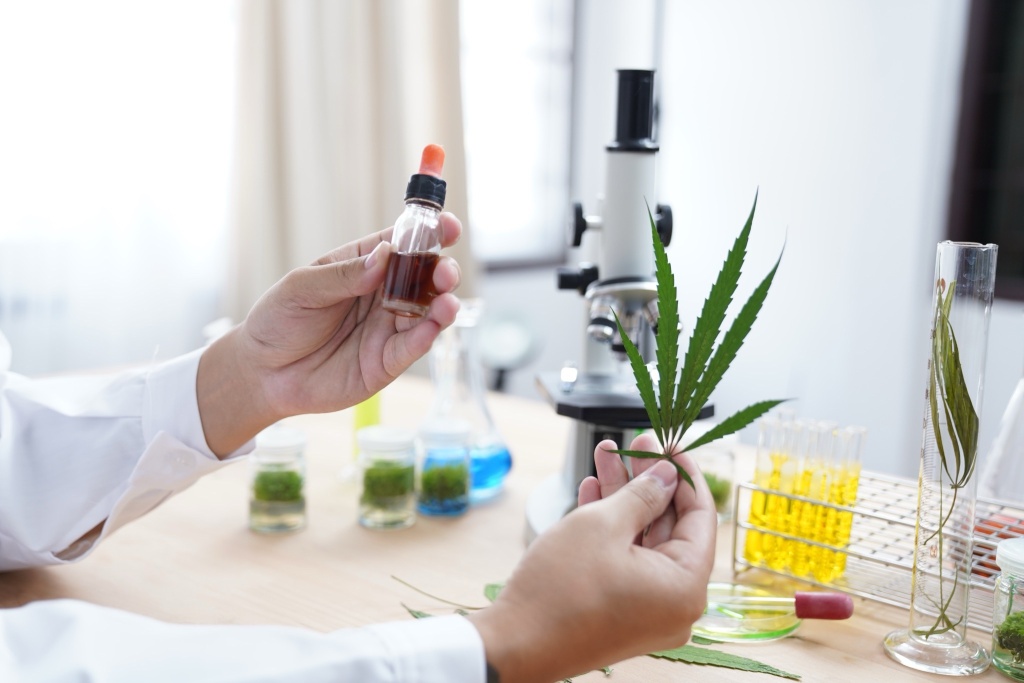
Weed may have a new medicinal benefit—and it may benefit millions of people around the world. According to research, certain cannabis compounds may help reduce liver fat and improve metabolic health, helping people with fatty liver disease.
RELATED: Ozempic and cannabis: what happens when you use both
A new study published in the British Journal of Pharmacology found that cannabidiol (CBD) and cannabigerol (CBG), two mostly non-intoxicating compounds found in cannabis, support the liver by creating additional energy reserves and restoring the activity of cellular systems that remove waste.
Together, these effects indicate that CBD and CBG may help treat fatty liver disease, which is the most common chronic liver condition worldwide, affecting about one in four American adults. Even more, the disease is strongly associated with obesity, high blood pressure, and insulin resistance.
RELATED: New cannabinoid discovered—and it has big potential
The researchers found that CBD and CBG trigger “metabolic remodeling,” a process that triggers internal changes that help the liver operate more efficiently. By reactivating specific enzymes, these compounds help the liver clear harmful fats and other metabolic waste products.
Also, the study showed that the cannabis compounds raised levels of phosphocreatine, a compound that functions like a backup energy supply. When the body is under metabolic stress, such as with a high-fat diet, this energy reserve helps the liver maintain healthy function.
Even more, the researchers found that CBD and CBG helped stabilize blood sugar levels and improved the body’s ability to manage glucose. Overall, this helps reduce body fat mass and lower total cholesterol.
RELATED: How cannabis is reshaping the menopause conversation
In the study, the researchers assessed male mice fed a high-fat diet and treated daily with CBD or CBG. The study was led by professors from the School of Pharmacy at the Faculty of Medicine of the Hebrew University of Jerusalem. While the findings were encouraging, additional studies are needed before the results can be directly applied to human patients.
Overall, the research highlights a potential new direction for treating metabolic diseases, where plant-derived compounds could offer new possibilities.