


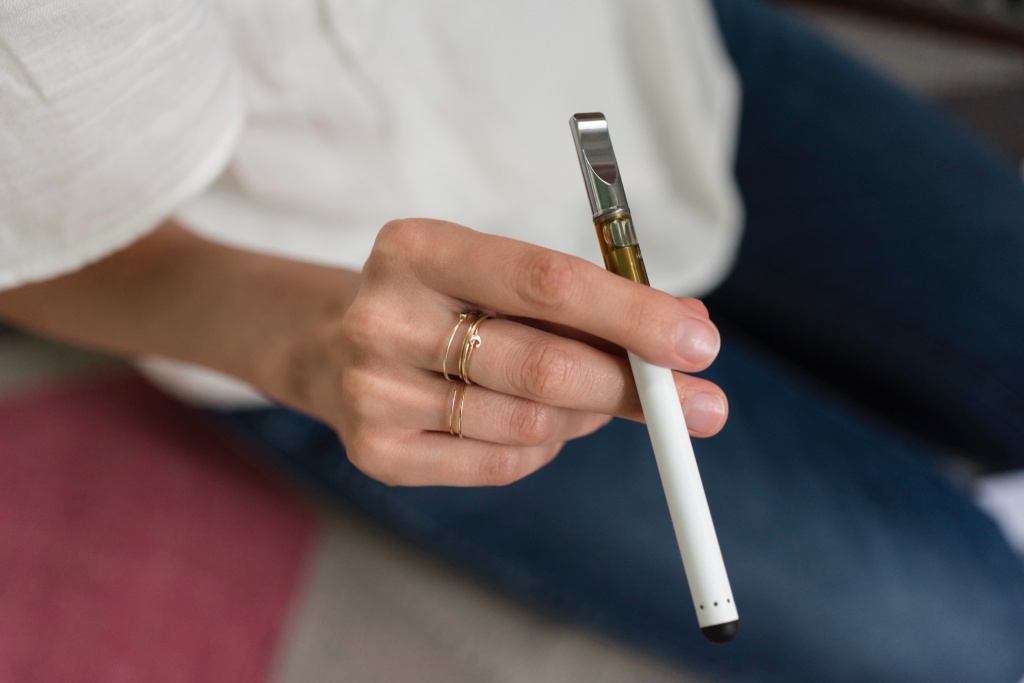
Are all vapes created equal? With dispensary shelves packed with dozens of different vaporizer products, it can be hard to tell the dank from the disappointing. As it turns out, there’s one key factor that could dramatically affect your experience. It all comes down to what’s inside your cannabis vape oil.
RELATED: This vape could change the weed game forever
Cannabis vapes typically contain one of three types of extract: distillate, live resin, or rosin. The manufacturing processes differ, and each option has its own pros and cons.
Distillate is a highly refined extract that consists almost entirely of THC. Distillate vapes may also include added terpenes designed to replicate the flavor of popular strains such as Jack Herer or Sour Diesel. This concentrate is cost-effective to produce at scale, often resulting in a budget-friendly vape for consumers (at least in most markets). However, because it lacks many of the plant’s other compounds, the effects can feel one-note and the flavor less natural.
Live resin, on the other hand, contains more of the active ingredients found in cannabis. This can include additional cannabinoids like CBD, naturally occurring terpenes, and other plant lipids. It’s produced using a mechanical process in which a solvent is passed over freshly harvested, flash-frozen cannabis plants. The solvent is removed, resulting in an amber-colored oil. Live resin is also relatively affordable and offers a more natural flavor, with effects that more closely mirror those of the plant it comes from.
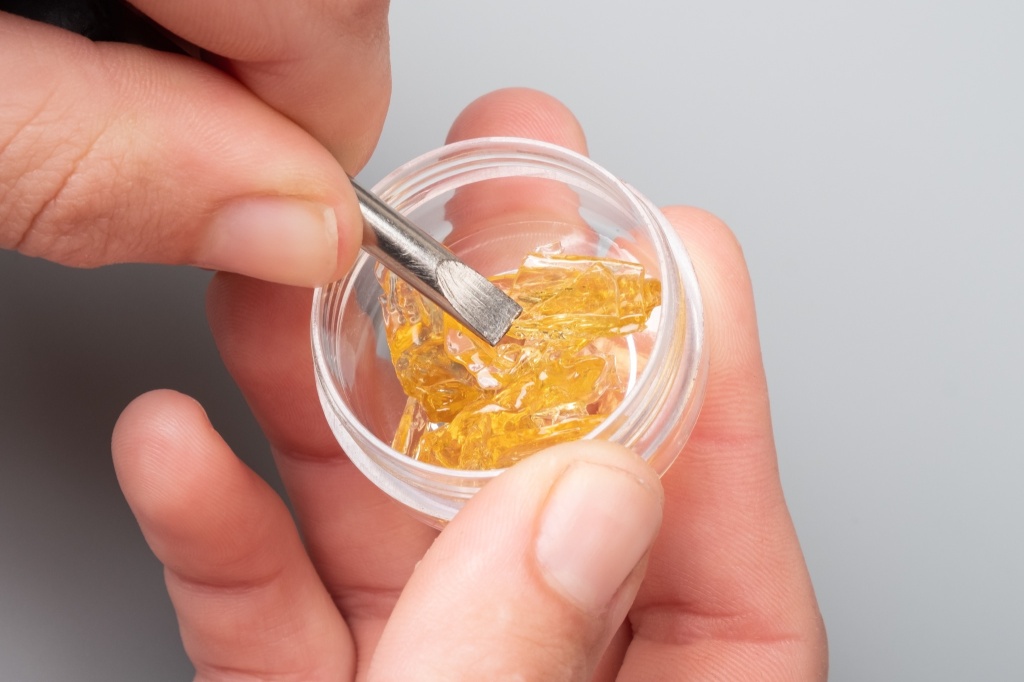
Rosin is a premium, solventless oil. Cannabis buds are washed in ice water to separate the trichomes. Once dried, the trichomes are pressed in a hydraulic press to produce a potent, flavor-rich oil. This extract is widely considered the closest of the three to the actual cannabis plant. While often more expensive, rosin is preferred by many consumers thanks to its natural production process and delicious taste.
Many consumers believe a vape’s THC percentage determines how high you’ll get—but that’s not necessarily true. Distillate products often have higher THC numbers since they’re pure cannabinoids, but they lack other plant compounds. Rosin may test lower since it contains more terpenes and other active compounds, yet many consumers report that it ‘hits harder.’
RELATED: Here’s why Cookies put 3 vapes in your vape
Why? It’s the entourage effect.
The entourage effect is the theory that cannabis compounds work better together, resulting in a more pronounced experience. This helps explain why smoking flower can feel different from hitting a vape. The same goes for edibles; a gummy made with distillate oil could have a different effect than one made with rosin.
So next time you’re at the dispensary, remember that what’s in the vape you buy is more important than its potency. A rosin product may cost a bit more upfront, but it could ultimately offer more bang for your buck.
