


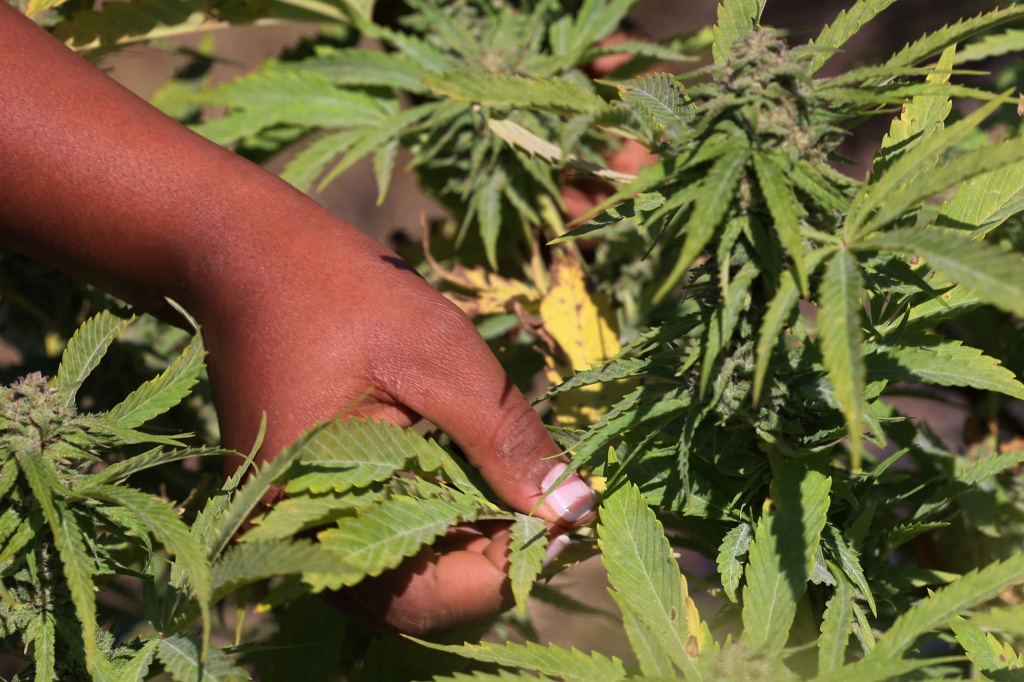
The cannabis industry changes constantly. Regulations shift, markets rise and fall, and even the most established operators feel the pressure. But for Black growers, owners, and operators, the challenges are even more intense. The same themes come up again and again when you talk to people working in the space — and one issue sits at the center of everything:
Access to capital.
Every Black entrepreneur we spoke with said the same thing: without funding, it’s nearly impossible to grow, scale, or even survive in the legal cannabis market.
RELATED: The price of legal weed for those without power
A Complicated Relationship With the Plant
Black communities have a long and complicated history with cannabis. For decades, the plant was used as a tool for criminalization, and the “War on Drugs” disproportionately targeted Black people. Now that cannabis is legal in many states, the people who were most harmed by prohibition are still struggling to gain a foothold in the legal industry.
Even when the “green rush” hit in the early 2010s, the industry wasn’t built with Black ownership in mind. Many Black entrepreneurs were overlooked in favor of peers with cleaner records, greater generational wealth, and easier access to the rooms where deals are made.
Legalization didn’t level the playing field — it exposed how uneven it already was.
Social Equity Promised a Lot — But Delivered Less
When social equity programs launched, they were supposed to create opportunities for people harmed by cannabis criminalization. And for a moment, it felt like anything was possible. New licensees were excited, hopeful, and ready to build.
But the reality hit fast.
Many social equity businesses are no longer operating. Others are barely hanging on. And those who did manage to open their doors say the programs didn’t account for the biggest barrier of all: money.
RELATED: 9 cannabis non-profits promoting restorative justice and patient access
As operator and owner, Bo Scaife of All Pro Cannabis shared, “Licensing means nothing without the funds to build out their dreams, and you need people to want to invest not just in the business but in you. A lot of licensees get stuck in their lack of capital.”
A license doesn’t pay for real estate, construction, compliance, legal fees, payroll, or the months (sometimes years) it takes to get approved to open.
“Winning a License Does Not Guarantee Success”
This is the line we heard repeatedly.
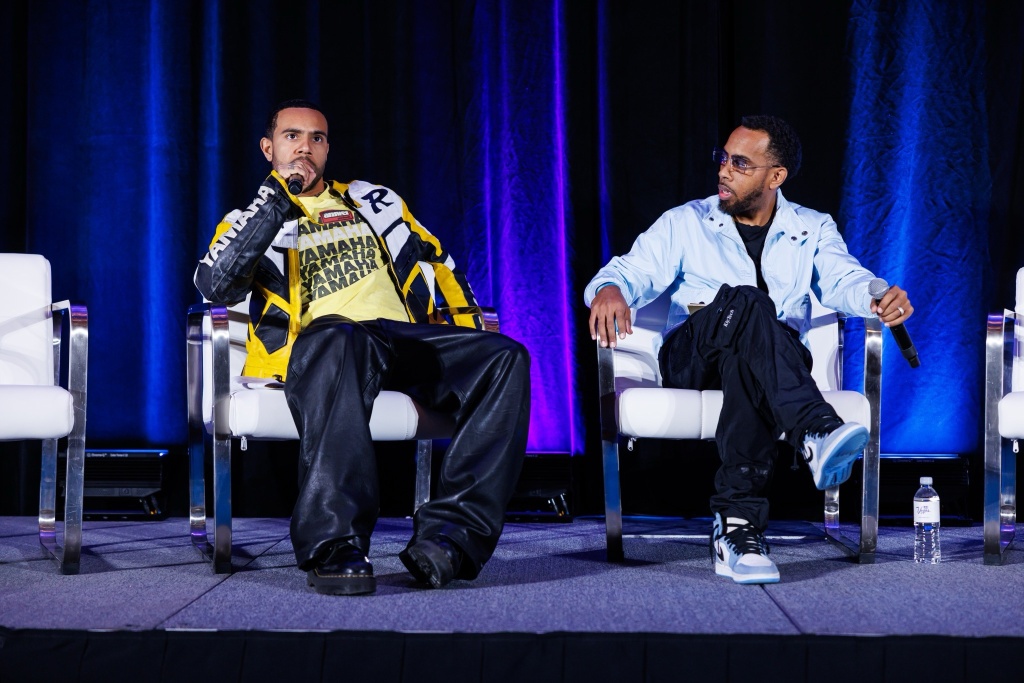
Rapper and cannabis entrepreneur Vic Mensa summed it up clearly during his talk at MJBizCon last December.
“Having a license can’t guarantee success,” Mensa said from the stage. “A lot of people think equity begins and ends with licensing, but if you can’t afford real estate, the legal support required for compliance, or have the time it takes to get open, the license doesn’t translate into ownership that lasts.”
Tahir Johnson, CEO of Simply Pure Trenton, shared a similar experience:
“On paper, winning the license is a huge milestone, but that’s just one part of the journey… In my experience, building permits were one of the biggest roadblocks,” he said.
The message is consistent across the board: a license is only the first step, and it’s often the easiest one.
The Capital Problem
The cannabis industry is expensive. Really expensive.
Black operators report being denied loans, turned away by landlords, and shut out of investment networks that readily support white‑owned or corporate‑backed brands. Even in states with equity programs, the financial burden is overwhelming.
RELATED: Get high and give back with these weed brands
Real estate is a major issue. Many landlords don’t want cannabis tenants. Banks refuse to lend once they hear the business plan. And private investors often gravitate toward companies that already have money — not the ones trying to break generational cycles.
This is why so many Black‑owned cannabis businesses close quickly. It’s not a lack of passion or skill. It’s a lack of capital.
Legacy Operators Are Being Left Behind
Another major concern is the treatment of legacy operators — the people who built the cannabis market long before legalization. These are the growers, cultivators, and community members who kept the culture alive.
But in the legal market, they’re often excluded from funding, licensing, and mainstream industry conversations. Their experience is valued culturally but ignored structurally.
Meanwhile, corporate cannabis continues to expand, often without any connection to the communities that carried the plant through prohibition.
A Clique With a High Barrier to Entry
Many Black operators describe the cannabis industry as feeling like a clique. Many we spoke with said that if you’re not a white legacy grower or backed by major capital, you’re often pushed to the margins.
RELATED: This Air Force Veteran is still behind bars for cannabis
Post‑COVID, there was a rush on licensing, but many of those licensees quickly discovered that the legal market wasn’t designed for them. The cost of compliance alone can drain a business before it ever opens.
Taxes, security requirements, packaging rules, and constant fundraising make it nearly impossible for small operators — especially Black operators — to keep up.
What Black Operators Want People to Understand
Many operators and owners we spoke to expressed the same thought across the board: they are not looking for handouts. They simply desire access to the same access to capital, partnerships, and opportunities as their white counterparts.
They want fairness, not charity. Equity, not just equality.
They want the industry to acknowledge that it was built on the pain of communities that were criminalized. And they want the chance to succeed without sacrificing their culture or authenticity.
RELATED: The female grassroots movement taking on the European cannabis industry
Hopes for the Future
Despite the challenges, Black cannabis entrepreneurs remain hopeful. They believe in the plant, in the industry, and in the communities they serve.
As he wrapped up, Johnson shared his vision for the industry’s future.
“My hope for the future of the cannabis industry is that it will be rescheduled and everyone who is incarcerated for cannabis will be free,” he said. “Cannabis is medicine, brings joy and healing to so many, and the world deserves to have access to it.”
This hope is grounded in resilience — the same resilience that has carried Black communities through decades of criminalization and exclusion.
Moving Forward
The state of Black cannabis ownership is complicated. There’s progress, but major barriers still need to be addressed. The solutions are clear:
- Access to capital
- Access to real estate
- Access to banking and legal support
- Inclusion of legacy operators
- A real commitment to repairing the harms of prohibition
Black growers, owners, and operators aren’t asking for special treatment. They’re asking for a fair chance to participate in an industry their communities paid the highest price for.
Until the capital gap is addressed, equity will remain an idea — not a reality.