


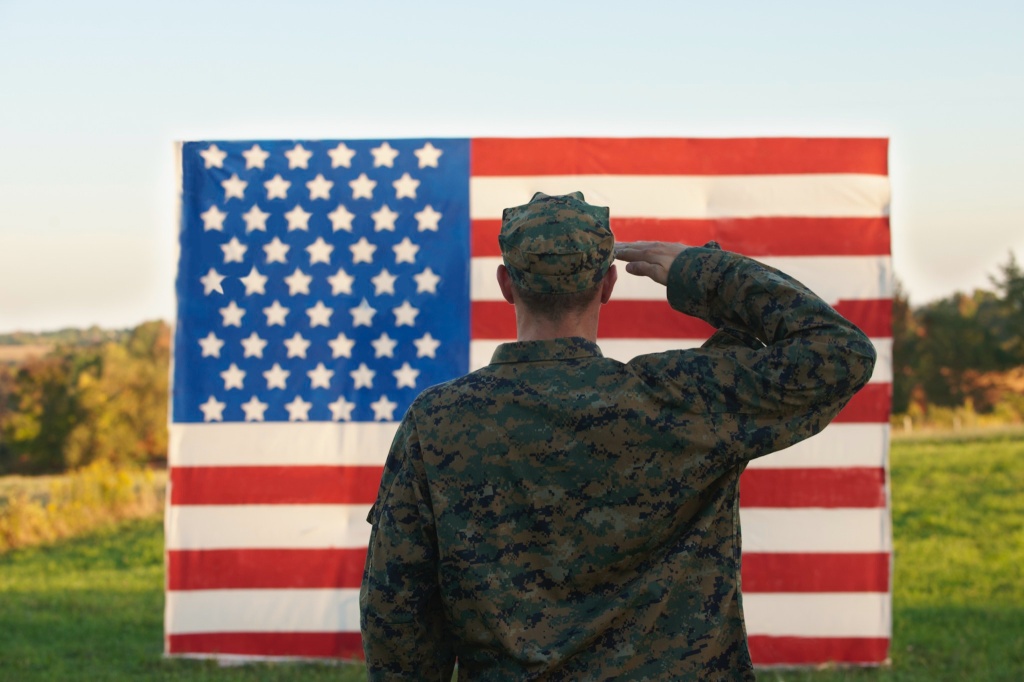
Every November, the cannabis industry turns red, white, and blue. Social feeds fill with camo-themed graphics, military silhouettes, and discount codes made to look like patriotic gestures. I don’t doubt the intention behind most of it. People want to show respect, and that matters, but the gap between what Veterans need and what companies tend to offer becomes glaringly obvious this time of year.
RELATED: Alarming study points to needed change for Veterans
For a lot of Veterans, the real hurdle isn’t deciding whether cannabis might help; it’s being able to afford the first step. The doctor’s visit, the paperwork, the State fee… it adds up fast. Until the industry recognizes that the choke point is access, not awareness, we’re going to keep confusing feel-good gestures with real support.
Why Symbolic Appreciation Doesn’t Translate to Access
I’ve worked with thousands of patients over the years, including countless Veterans navigating PTSD, chronic pain, depression, insomnia, and the lingering consequences of military trauma. What I see repeatedly is that the biggest obstacle isn’t interest in cannabis, it’s the price tag of becoming a legal medical patient. Across the country, state programs can run anywhere from $150 to more than $400 annually when you combine doctor evaluations with renewal fees. For someone living on disability income, managing unstable housing, or trying to stretch every dollar after service, those costs are not small.
That’s why a “10 percent off your purchase” promotion doesn’t do much good. If a Veteran can’t afford to enter the program, they’ll never make it to the counter where the discount applies. When companies spend money on patriotic marketing while Veterans quietly struggle to pay for the evaluation that could change their lives, something is out of balance.
This isn’t about calling out brands. It’s about recognizing the difference between marketing to Veterans and actually serving them. This is a distinction the industry hasn’t always made clearly.
What Real Support Looks Like
Meaningful help is more straightforward than most people realize. It isn’t complicated, and it doesn’t require a massive social responsibility department. It’s rooted in reducing the financial and logistical barriers that prevent Veterans from accessing medical cannabis at all.
One of the simplest ways a company can make a real difference is by stepping in to cover the cost of medical evaluations. Because VA physicians aren’t allowed to issue cannabis recommendations, Veterans have to seek out private doctors, and those appointments are rarely cheap. When that financial hurdle is removed, many Veterans can finally take the first real step toward accessing the medicine that helps them.
RELATED: Women in cannabis get a boost from new small business grants
Paying state fees does the same. Funding renewals are just as important because relief isn’t earned in a single year; it’s ongoing. Partnering with nonprofits that already understand the system makes the work easier. Supporting doctor networks that provide free evaluations extends the impact even further.
There are already models out there showing what real support looks like, models built on collaboration between physicians, nonprofits, and local advocates who put access ahead of branding. Their work isn’t about attention or credit; it’s about ensuring Veterans can actually get into the program. If the wider cannabis industry adopted even a fraction of these practices, the impact would be immediate and profound.
A Vision for Industry-Wide Responsibility
The cannabis industry is still young, and we have a chance to define our values before they’re defined for us. Veterans make up a population that has already sacrificed more than most of us will ever understand. Their health challenges are well-documented: suicide rates more than double those of non-Veterans, housing instability affects nearly one in four unhoused Americans with military backgrounds, and overmedication through heavy pharmaceuticals remains a pervasive issue.
Medical cannabis can’t fix everything, but it can offer relief that is safer, gentler, and in many cases more effective than the alternatives. If we truly believe that, then removing financial barriers becomes a moral responsibility, not a marketing opportunity.
RELATED: 21 of the most influential voices on the global cannabis circuit
An industry standard for Veteran support isn’t unrealistic. It’s entirely achievable with opportunities like shared funding pools for evaluations, partnerships with regional nonprofits, annual commitments to state-fee sponsorships, collaborative doctor networks, or simply designating a portion of revenue to cover the costs of access. These are not abstract ideas. They’re practices that work. I know because I’ve watched them change over 900 Veterans’ lives.
If we’re serious about supporting Veterans, it has to show up in ways they can actually feel. Appreciation posts and themed sales come and go, but lowering the barriers to medical cannabis makes a difference every day of the year. The work ahead is about aligning our actions with the values we publicly champion.
*This article was submitted by an unpaid guest contributor. The opinions or statements within do not necessarily reflect those of GreenState or HNP. The author is solely responsible for the content.