


Millennials and older smoked weed like it was our job: gravity bongs, late‑night hot box sessions, and the highest THC content we could find. Back then, cannabis felt heavy on the “recreation” for most: outside of the medical community, it was a creative escape and a way to build community. But something has shifted with today’s younger consumers.
RELATED: Is a ‘contact high’ a real thing? Exploring if you get stoned from secondhand smoke
There’s a new wave of people who aren’t medical patients, but who also aren’t just getting high to get high. Instead, they are chasing “functional highs” — strains and products meant for productivity, mood regulation, creativity, and micro‑dosed wellness.
This change reflects how younger consumers are using cannabis more intentionally. Instead of couch-locking with friends, many younger consumers are microdosing during work to get more creative, or using it to manage daily stressors. Less “smoke and chill” and more “micro‑dose and go.”
What science (and real life) are saying
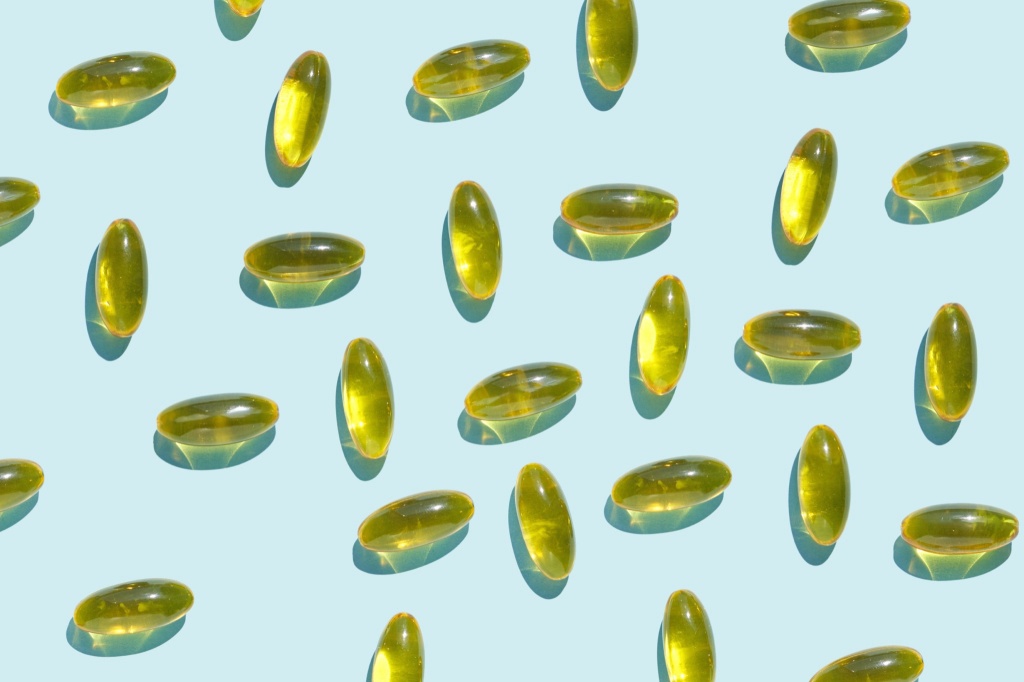
Microdosing THC, which is usually in the range of 1-5 mg, is gaining ground as a way to get soft benefits without getting totally stoned. According to reports, low-dose THC can boost focus and creativity, help regulate emotion, and sustain a kind of calm energy without overt sedation. That’s because the endocannabinoid system (ECS) can be engaged gently, modulating neurotransmitters in a way that supports clarity rather than cloudiness.
RELATED: Marijuana, cannabis, hemp: what’s the difference?
There’s early but promising science, too. Recent studies have found that microdosing THC enhances working memory and attention in adults performing demanding tasks, suggesting a cognitive boost without burnout. Many consumers also anecdotally report that microdosing helps reduce anxiety, improve mood, and even support pain management, all while allowing them to stay functionally present.
This is even being recognized in corporate tech; a recent Cornell survey of software developers found that 18 percent regularly use cannabis while programming: not to escape, but because it helps them feel more creative and focused.
Microdosing THC: risks and tradeoffs
Of course, microdosing isn’t a magic elixir. Consistency matters, and it’s easy to build tolerance, which may undercut the effects. Some studies also warn folks not to overuse, noting that higher or inconsistent doses can lead to impairment, memory issues, or even anxiety. Your tolerance will also vary depending on your biology, the product, and how you consume (vape, edible, tincture, topical, etc.).
RELATED: This is the biggest misconception about weed
Overall, this trend isn’t just a niche wellness fad: it’s a cultural shift in how we consume. The recreational-heavy era is giving way to a generation that craves utility, balance, and subtlety in their highs. Cannabis is no longer just a way to decompress; it’s becoming a tool for living more intentionally.
If you’re curious: you should always start slow, pick a clean, well‑tested low-dose product, and track how you feel. Skip the gravity bongs for now; the best outcome might just be in that two mg microdose that helps you write, create, or simply stay present.