


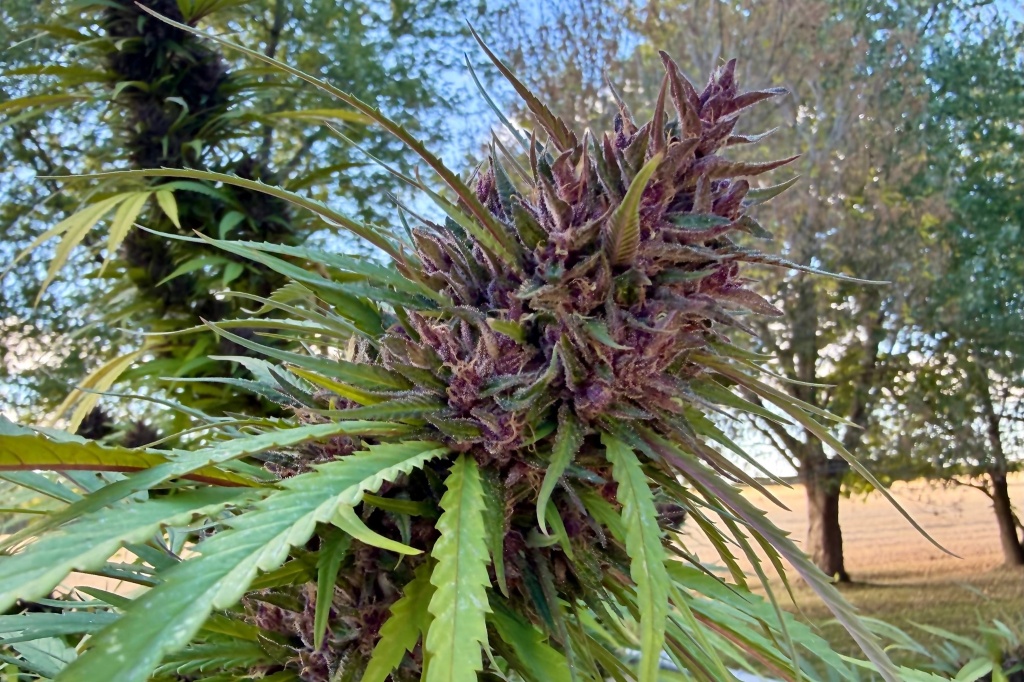
The cannabis industry increasingly mirrors the wine world. The Emerald Triangle, long revered for its cannabis production, is often dubbed the “Bordeaux of weed” and was recently designated California’s first cannabis appellation of origin. Now, one group is pushing that comparison further with the introduction of annual California Cannabis Harvest Reports.
RELATED: California Cannabis Awards returns at industry inflection point
The report functions as a regular data-driven “vintage” report for cannabis. Cultivators share insights on farming practices, weather patterns, and cultivar performance, creating a detailed snapshot of each year’s crops.
Cannabis has rarely been understood as a seasonal, region-specific agricultural product—and the California Cannabis Harvest Report aims to change that.
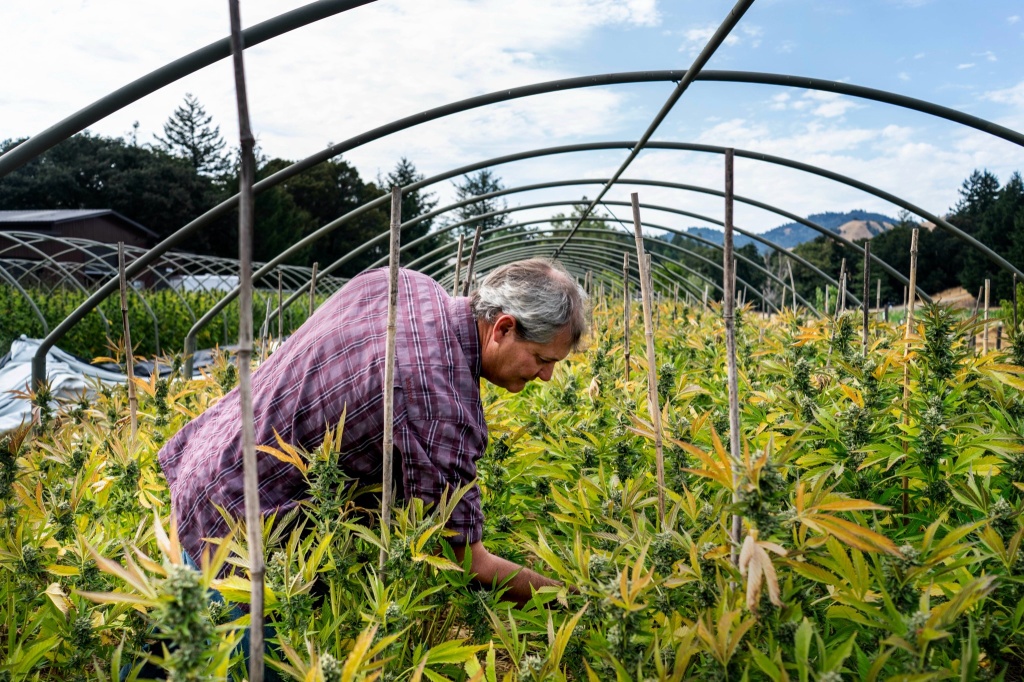
The reports are compiled by Budist, a social cannabis review platform that strives to set the industry standard for cannabis connoisseurship. Products are critiqued using a proprietary 100-point scale, inspired by similar systems in the wine space.
Budist was co-founded by cannabis experts and wine enthusiasts Jocelyn Sheltraw and Claudio Miranda. The California Cannabis Harvest Report builds on that mission, helping advance Budist’s goal of elevating cannabis and increasing awareness of how it’s grown.
RELATED: Why 2025 could be the best year yet for California hash
Miranda noted that in the wine world, vintage reports are crucial to the market. Consumers and commercial buyers may use them to help inform purchasing decisions or simply learn more about the space. Exceptional vintages often drive higher demand and may raise the profile of particular producers.
Like many wine enthusiasts, Miranda recalls the nuances of specific vintages using those reports.
“You can ask me, What’s the difference between the 2002, 2003, and 2004 vintages in Italian wine? And I can tell you how the weather in each of those years impacted quality, and which vintage you should choose on a wine list. That’s the level of fanaticism we get into,” he laughed.
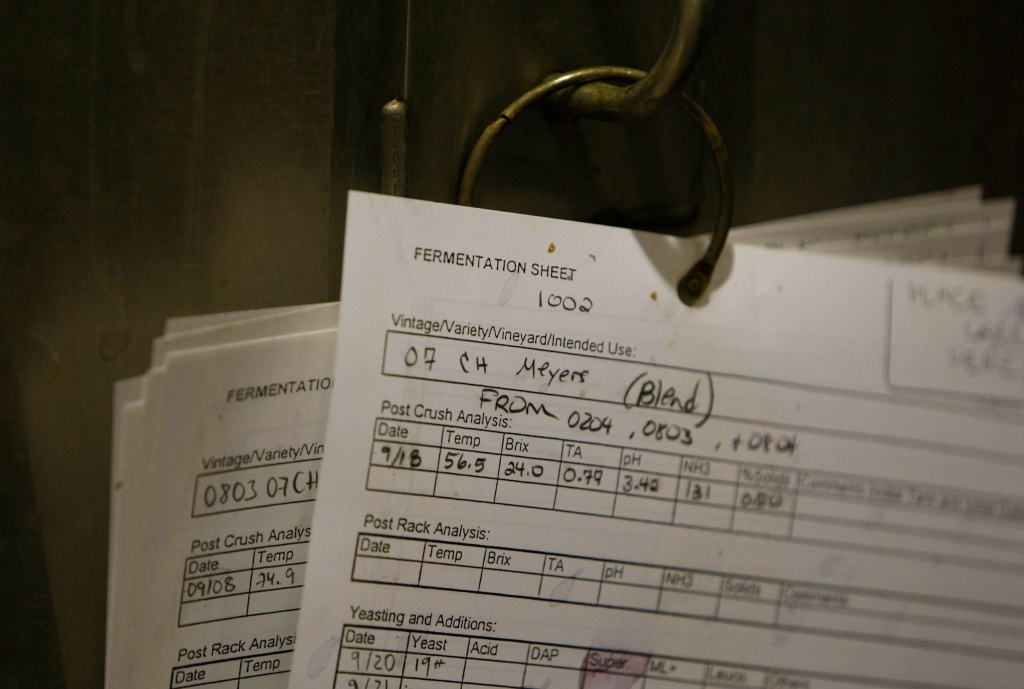
“I learned about all the different producers, and so the publishers that documented this data were an immense resource for people like me who were navigating that rich world of knowledge and connoisseurship,” Miranda continued.
“So the spark here is: how can we bring that to cannabis?”
Building a cannabis vintage system
Miranda recruited fellow Budist critics Caleb Chen, a noted cannabis researcher, and high-end cannabis chef Alex Scherma, to help compile the 2024 California Cannabis Harvest Report. This initial collection of insights laid the groundwork by profiling sungrown farms in five counties: Humboldt, Mendocino, Trinity, Lake, and Nevada.
RELATED: From Humboldt to the Heartland: Emerald Triangle cannabis finds new life
Each entry paints a picture of the year’s cannabis life cycle. Readers can explore the unique geographical features in each region, also known as terroir. They can discover noteworthy strains they may want to try and see if the farm has any additional certifications, such as those for sustainable practices.

Cannabis cultivators in the Emerald Triangle have been struggling to survive in the wake of adult-use legalization in the state. Despite its rich history and ideal growing conditions, large-scale commercial production has undercut the market, leaving many legacy farmers behind.
Moreover, sungrown flower has become less popular on the mass market, with many consumers believing that it has inferior quality. While data has disproven this, some still have a negative perception. The Harvest Reports may change that.
“Cannabis is seasonal produce; to give sungrown true value, we have to look at it that way,” Scherma told GreenState.
RELATED: Weed might be secretly changing your taste buds – here’s how
Scherma added that farmers will glean talking points from the reports to share with buyers and budtenders. Certain vintages may become en vogue, making craft flower easier to talk about—and more attractive overall.
“When we start to look at what quality will be for the season, and we can define that within a short period of time after harvest, we can actually start to put sungrown cannabis in its best light, which is not necessarily shown in the market currently.”
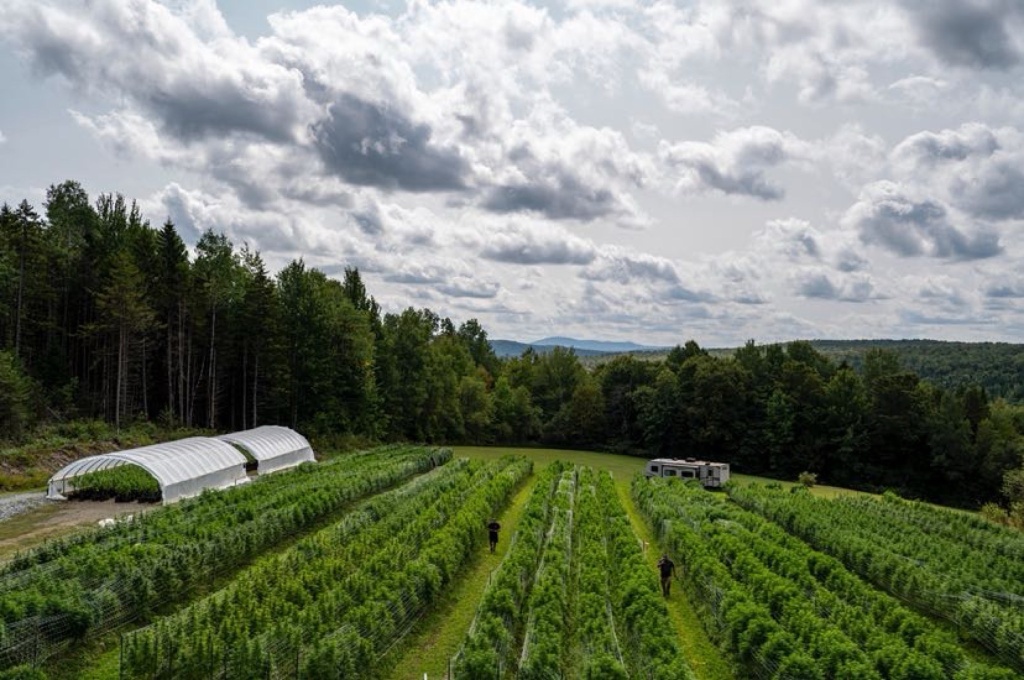
The elevation of sungrown cannabis isn’t the only benefit for cultivators participating in the Harvest Report. In addition to the overarching premiumization of the category and the amplification of individual farmers (along with published strain reviews by Budist critics), the data could eventually help predict how specific cultivars perform.
By comparing planting seasons across similar climate years, growers may be able to better determine what to plant to help ensure peak yields while simultaneously forecasting demand.
RELATED: Napa Valley wineries may be turning tide on cannabis
Chen explained that the aggregated data has immense value for farmers, noting the sales numbers may be among the most exciting.
“I imagine that the most useful thing there is the reported cultivars, and the information from farmers: ‘Well, this one sold best for me.’ I think that’s the kind of market information that farmers are definitely looking for from reports like this,” he told GreenState.
A future of cannabis premiumization
Data for the 2025 Harvest Report is currently being collected. The Budist team is excited to expand its second annual data compilation to include more California counties and farms. Comparing reports for the first time will offer new insights, providing even more momentum heading into the 2026 planting season.
While this marks significant progress for the California cannabis community, capturing a pivotal moment for the industry could have the most impact.
“We need these different ways to shine a light on what’s happening so we can stand in time a little bit better,” Scherma concluded.
