


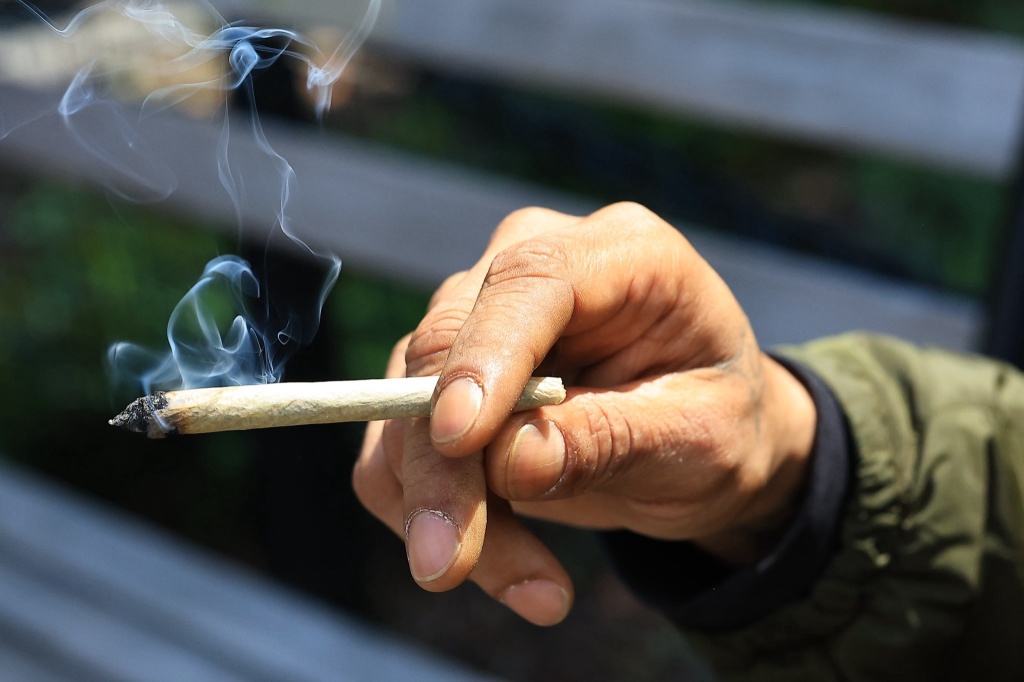
Cannabis users are now more practical than ever, primarily seeking relief. According to GoodRx, “Cannabis, especially those labeled indica-leaning, may help some people relax, sleep better, or ease more severe pain flares.” What does this shift mean for the industry, and what is driving its growth?
RELATED: Most cannabis brands aren’t built to scale – here’s why
Sooth, a predictive intelligence data platform, notes that the cannabis industry has historically been marketed around “the high,” rebellion, and counterculture aesthetics. However, new consumer insights reveal a shift is underway. This shift may force the industry to rethink its marketing strategies based on the true reasons consumers use cannabis.
Recent findings show that America’s 10+ million regular cannabis users are seeking relief, not escape—relief for sleep, pain, and anxiety. This evolving mindset is also shaping the driving force behind new cannabis products and marketing strategies.
Cannabis as a functional tool, not a lifestyle statement
Sooth’s analysis of consumer intent signals shows that cannabis usage is now overwhelmingly practical rather than recreational. Users describe cannabis as something they rely on, not something they indulge in.
RELATED: Would you trust a kiosk to pick your weed?
Consumers are increasingly treating cannabis the way previous generations treated sleep aids, painkillers, or even a glass of wine. They are background support for daily functioning. This shift is reshaping purchasing behavior and product expectations. MRI Simmons reports that “73 percent of U.S. adults agree cannabis has many health benefits, and 68 percent specifically cite marijuana’s therapeutic potential.” Cannabis is now being held to the standard of a functional tool, rather than a lifestyle statement.
Relief seekers are changing who the industry serves
With symptom relief at the center of cannabis use, the most important user is no longer the recreational consumer, but the needs-driven consumer. These users are likely managing recurring discomfort, evaluating products based on effectiveness, and integrating cannabis into their routines.
RELATED: This one thing can make or break a cannabis business
According to Sooth data, cannabis use is increasingly tied to symptom relief: 54 percent of users report suffering from stress, 50 percent with back, muscle, and joint pain, and more than 31 percent with stomach pain and other digestive issues.
Women are the new growth engine
In recent years, cannabis usage among women has surpassed that of men for the first time. However, this emerging consumer base wasn’t necessarily met with open arms from brands or society.
In a 2023 national survey, Forbes noted, “66 percent of women stated they hide their consumption practices because of stigma.” In 2026, they are driving a shift in the market. This is largely because of their intentional consumption of cannabis.
According to Sooth, nearly 1 in 10 female cannabis users use the drug for menstrual pain. This has shifted greatly as women now use cannabis to manage menstrual and hormonal pain, anxiety, as well as stress, sleep, and mood.
RELATED: Rescheduling or not, banks are catching up with cannabis
Forbes shared a 2024 study that showed that women outpaced men when it came to cannabis use. Beyond that, cannabis being used for medicinal purposes is taking on new importance as millions of Americans continue to struggle with the cost and accessibility of healthcare and prescription drugs. With women often serving as the “Chief Health Officers” of their households, their growing acceptance and usage of cannabis-based remedies has significant implications for the US healthcare industry at large.
Consumers now prioritize dosage control, predictable outcomes, and seamless daily integration. These preferences are accelerating the development of products such as low-dose edibles, topicals, and beverages. Women aren’t just buying cannabis products; they’re reshaping what those products need to be. While smoking remains the most popular method overall, women are more likely than men to consume cannabis edibles, beverages, and topicals.
What this means for the industry
The future of the industry won’t be defined by loud branding or better highs. Instead, it will hinge on understanding the new role of cannabis in consumers’ lives, and those consumers who are shaping that role. This means designing products and messaging around the need for relief and building trust and relevance with female users.
Additionally, women are no longer a niche audience for cannabis; they are its growth engine.
*This article was submitted by an unpaid guest contributor. The opinions or statements within do not necessarily reflect those of GreenState or HNP. The author is solely responsible for the content.